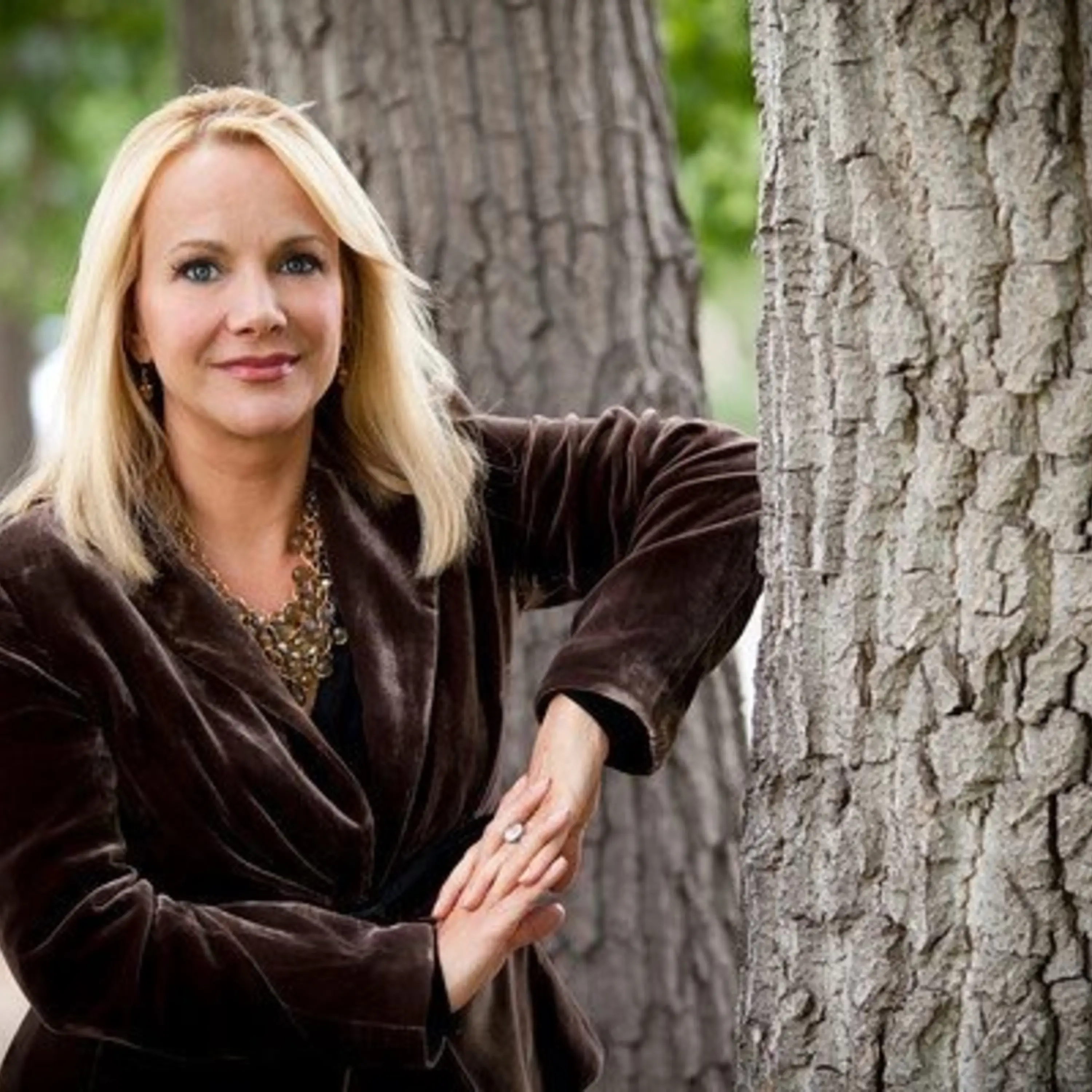

In this week’s episode, Angie Austin welcomes Jim Stovall to discuss the powerful influence of mentors and dementors in our lives. Jim shares his insights inspired by a character from the Harry Potter series, applying it to real-life situations. He delves into how the people we surround ourselves with can either elevate or drain us, especially as the holiday season approaches. Angie and Jim also explore the importance of making conscious choices about who we spend our valuable time with.
SPEAKER 02 :
welcome to the good news with angie austin now with the good news here’s angie
SPEAKER 05 :
Hey there, friend. Angie Austin here with the good news along with Jim Stovall. We’re talking about his weekly Winners of Wisdom column, and he is vacationing in lovely California. Hey there, Jim.
SPEAKER 07 :
Hey there. Yeah, a little work, a little play, and enjoying it. Coming from the Angie Austin West Coast studio on a little island in Mission Bay.
SPEAKER 05 :
Oh, you love that place, don’t you?
SPEAKER 07 :
Yeah, they tell me I have now been here 50 times in the last 25 years. And I have a speaking engagement here twice a year, and we have a little place. We stay on the beach, and Crystal’s here, and she seems to be available for these. Now, when I’m working Omaha, Nebraska in February, she’s pretty busy. But for the Paradise Island events… She seems to be more flexible.
SPEAKER 05 :
When you’re speaking with the plumbers in Pittsburgh, she’s busy. But if she only knew how much fun they have at the casinos.
SPEAKER 07 :
Absolutely.
SPEAKER 05 :
All right. So this week, your winner’s wisdom column is Dementors. I recognize that word. Let’s get rolling.
SPEAKER 07 :
Well, you know, I first became aware of this, wow, 20 years ago. I’m going to my 10-year-old nephew’s basketball game. So he and I both jump in the van with the family, and I’m sitting in the back with him. And when I sat down, right next to me, there’s this book. I mean, the size of a dictionary or something. And I said, Bradley, what is this? And he said, that’s the book I’m reading. And I just couldn’t imagine what is a 10-year-old kid reading with hundreds and hundreds of pages? Well, it was the first Harry Potter novel. Well, I wasn’t even aware of it at the time. So I went and ordered it as an audio book and listened to it. And I was amazed that he and I were both enjoying the same novel, which is a tribute to J.K. Rowling’s writing ability. But I continued to enjoy those books. I’ve read them all. And so did my nephew. And it’s amazing when you can do that. And then I’ve had nine of my books turned into movies. So I was fascinated when hers were turned into movies. And, you know, and she has this character called Dementors. And these are evil, negative beings that when they come on the scene, they are so negative, the light’s dim. I mean, that’s how bad they are. And then I realized we all have dementors in our life. We try to find mentors. Those are people that help us. But we need to avoid the dementors, the people that just drag us down. I mean, you know, and we all have those people in our life. There are people that when you spend time with them, it’s like an emotional withdrawal from your bank account. It just you feel drained. And then there are other people, the mentors that are in our lives, that every time we’re with them we feel energized and pumped up and, you know, we’re ready to go. And so we need to recognize, and I’m not saying we cut people out of our lives, particularly as the holiday season approaches here, but you have to separate the mentors from the dementors so you can kind of portion out your time and attention in the way that serves you best.
SPEAKER 05 :
You know, I have to say, normally I wouldn’t have such a strong recognition of the word. I, too, have read the books, and I do think that says a lot about J.K. because the fact that I enjoy them as well as my kids. I mean, it’s pretty spectacular, the stories and the way she weaves them. But we just went to Universal Studios to the Horror Nights. And they had Dementors there in the Harry Potter world, and they were terrifying. I just thought I’d add that as a sidebar. They were terrifying, even, you know, like made-up Dementors, which obviously they are in the book as well. But the way that they, you know, presented them, they were hiding in the corners. They even scared my husband. And, yeah, they’re terrifying.
SPEAKER 07 :
Well, they are in real life, too, because, you know, in the books, they steal the light and the energy. In our lives, they steal our dreams and our goals and the things we want to do. And we always want to remember we become like the five people we hang around with. And over time, we will gain their habits and their points of view and their energy and their passion. And so when you think about that, we really need to see where are we going to spend our time, effort, and energy.
SPEAKER 05 :
Yeah, I think, too, about, you know, last week you were talking about evaluating reward and risk. And to me, they kind of fall in the same, you know, pie, per se, or quarter of the pie about where you spend your time in your life.
SPEAKER 07 :
Oh, exactly. You know, and as we approach the holidays, we all have people. I mean, you can pick your friends. You can’t pick your family. And most families have some people that – you know don’t bring us necessarily love and light all the time but if you go into those reminding you know uncle Charlie is going to give me a great example of how I do not want to live my life this is a positive reminder of why I want to be an uplifting giving loving person because I don’t want to be like that I mean this is what I want to avoid and and you can love people and And you can spend time with them, but you can also learn from them. But you don’t have to jump in the mud with them. You can have a great life and spend time with them and not let them steal your energy.
SPEAKER 05 :
You know, I was thinking about my husband. And he runs a company with there’s three other people that are involved with him that are well educated. They speak well, et cetera. And then we were talking about some of the colloquialisms, I guess, that his brother uses. And I’m talking about this because his brother hangs out with other cops. Not all of them have gone to college, which is fine. It’s a wonderful I mean, boy, he he makes a good living. I’ll tell you that much because he’s a higher ranking police officer. But he’s also out on the streets a lot. And so he’s dealing with a lot of people who are getting obviously getting in trouble, not doing the right thing. And many of them, many of them, not all aren’t educated. So he has slang and terminology and different words like his whole lingo or dialect is different than my husband’s. And we were just talking about that this morning about how you are like the people you hang around. He’s like, you know, my brother’s a cop, right? And I’m like, yeah. I said, I’ve noticed that before, just some of the slang and even like maybe grammatically incorrect, like words that I would never use that, you know, that they’ll maybe use in his small town. But he’s very bright. It’s not representative of his level of intelligence. It’s because of who he’s with all the time.
SPEAKER 07 :
Oh, sure. My brother runs a construction company.
SPEAKER 05 :
Oh, that’s right.
SPEAKER 07 :
And he spends his days working. with steel workers and concrete workers and carpenters and painters, and some of them have different points of view and colorful language. So my brother does that all week, but then he’s a deacon in his church. And he said, you have to be very conscious of what you’re doing when you come straight from a construction site and rush into a deacon’s meeting, because they have a lot of the same words, but they don’t use them in the same context and in the same order. And you have to be aware of that. And most parents do this very well. There’s language that adults may use between and among themselves that, you know, you don’t want to use in front of your 8-year-old. But, you know, it’s always good to be aware of that. And, you know, this is why we need to be cautious because you hang around people long enough, their vocabulary will become your vocabulary.
SPEAKER 05 :
Isn’t that the truth? So what do you want them to take away from Dementors this week?
SPEAKER 07 :
Well, realize that we all have to make decisions proactively how we want to live our lives. And we need to make sure who we spend the majority of our prime time with. This doesn’t mean we cut old friends and family out of our lives. It’s just we need to be aware of them. and kind of have our force field up when we’re around the Dementors so they don’t get to us. And you can spend time with them, love them, care about them, but I’m not going to slip into your lifestyle. And that’s what needs to be very important, particularly as we approach the time when we get together with all of our friends and family.
SPEAKER 05 :
I love it, Jim. Always a pleasure. Enjoy your vacation. JimStoval.com. Thank you, Jim. Thank you. Well, always a pleasure. All right, let’s get serious now. If you are just joining us, this is Angie Austin with the good news. And I just got three vaccinations last week, and I like to keep up on those, not just to protect myself, but also others. Did you know that an estimated one million Americans develop shingles each year? And that is why it’s an important topic, especially as we head into the holidays and, you know, maybe traveling. We may also be around a lot of relatives. So joining us today is Dr. Leonard Friedland, vice president and director of scientific affairs and public health with GSK Vaccines. Dr. Friedland is a pediatrician and research scientist who is passionate about vaccines, therefore his position with GSK Vaccines. And also Dr. Kelsey Godderwiss, pharmacy manager with Kroger. Welcome to both of you.
SPEAKER 04 :
Hello, I’m Dr. Leonard Friedland, vice president and director of scientific affairs and public health at GSK Vaccines.
SPEAKER 05 :
All right, Dr. Friedland, let’s start with the basics. What is shingles and how does it affect people, specifically 50 and older?
SPEAKER 04 :
Shingles is a painful, blistering rash that’s caused by reactivation of the varicella zoster virus. And that virus is the same virus that causes chickenpox, a disease we know from our childhood. Now, shingles can be a painful experience. It can disrupt your life. for multiple weeks, and it can even lead to longer lasting complications in some cases. Now, why does this occur? And the predominant reason is because our immune systems weaken naturally as we age, starting around age 50, and that puts us at increased risk of developing shingles.
SPEAKER 05 :
What are some common misconceptions people may have about shingles?
SPEAKER 04 :
Yeah, so one very common misconception is that shingles is only a disease of the older adult. But the fact is that if you’re 50 years of age and older, even if you feel young and healthy, you’re still at risk for shingles. In fact, adults 50 years of age and older are at increased risk for shingles, such that one in three people over the age of 50 will develop a case of shingles during the course of their lifetime. Another misconception is that shingles is just it just isn’t common. But that was also not true because there’s an estimated one million new cases of shingles each year in the United States. So that means that it’s likely that all of us know somebody who’s had shingles.
SPEAKER 05 :
All right, Dr. Goddard, this one’s for you. Tell us what steps can adults 50 and older take to help protect themselves from shingles?
SPEAKER 01 :
So the biggest first step is knowing who’s at risk. And with shingles, the biggest risk factor is age. 50 and older is kind of that benchmark. And anybody 50 and older has a 99% chance of already having the virus that causes shingles inside of their body. And one in three people over the age of 50 will develop shingles in their lifetime. While age is the biggest risk factor, there are also other risk factors such as asthma, COPD, chronic kidney disease, heart disease, and diabetes that can put you more at risk for vaccine-preventable diseases like shingles. So the biggest call out here is just to speak to your Kroger pharmacist to determine your risk factors and determine the best steps to help prevent a disease like shingles.
SPEAKER 05 :
Well, the holidays are quickly approaching. Why is now a good time to check in and ask your pharmacist about shingles? I know that’s what I did.
SPEAKER 01 :
Absolutely. So the hustle and bustle of the holiday season is already here. You’re already in your Kroger store shopping for your family gatherings. You’re stopping by the pharmacy to get your flu vaccine. So it’s a great time to just go ahead and speak to your pharmacist while you’re there about your risk factors, including the disease of shingles. And go ahead and get everything taken care of in one fell swoop so that when you do want to go to those holiday gatherings, you’re protecting yourself and those around you from vaccine-preventable diseases.
SPEAKER 05 :
And where should people go to learn more about shingles?
SPEAKER 01 :
So you can visit kroger.com slash health or a website called easyvax.com, E-A-S-Y-V-A-X.com. And that will help point you into the direction of a pharmacy to where you can go and speak directly to a pharmacist about your risk factors and how to prevent diseases like shingles.
SPEAKER 05 :
Thank you to both of you doctors. Great info. Thank you.
SPEAKER 01 :
Thank you.
SPEAKER 03 :
Arc Thrift needs your large furniture donations. You can either drop off your large furniture at one of Arc Thrift’s 36 locations or schedule a pickup online. Arc Thrift is looking for your gently used couches, chairs, tables, recliners, dressers, entertainment centers, armoires, and desks. Give your furniture a second chance of life. As long as the furniture is in good condition, you can schedule for a large furniture pickup on Arc Thrift’s website. Also, make sure to include at least five bags or boxes of gently used items when your furniture gets picked up. And if you have more stuff to donate, they can take up to 20 boxes or bags at a time, free of charge. And with the holidays approaching, find all of your ugly Christmas sweaters, white elephant gifts, holiday decorations, and gifts for a fraction of the retail store price. Find your nearest Arc Thrift by going to arcthrift.com today. So much more than a thrift store.
SPEAKER 04 :
Longline is listening to the mighty 670 KLT Denver.
SPEAKER 05 :
Hello, it’s Angie Austin with the Good News. Well, it’s that time of year again, the annual Red Kettle campaign that assists families in need all year round. It’s starting back up again. Joining us is Commissioner Merrill Heatwall, National Commander of the Salvation Army, here to discuss the Salvation Army’s commitment to providing service, love, and joy to those in need this Christmas and far beyond the holidays. Welcome to you, Commissioner Heatwall.
SPEAKER 06 :
Well, thank you very much, Angie. It’s a privilege to be a part of this and to be able to share about the work of the Salvation Army today.
SPEAKER 05 :
You know what I think is so cool? Well, two things. My son has worked for the Salvation Army quite a bit the last few years, and also your wife. I think that’s so cool that you’re both working for the Salvation Army. Is that still true?
SPEAKER 06 :
That is still true, that we have served as Salvation Army officers for 41 years together.
SPEAKER 05 :
Oh, my goodness. Oh, that’s pretty cool. All right. Well, let’s talk about, you know, this year in particular, we all know that with the government shutdown, there was a lot more strain in terms of people needing more things because they weren’t getting paychecks regularly and they’re trying to catch up on everything. So this year’s Red Kettle campaign is particularly important, I assume.
SPEAKER 06 :
Definitely, that we’ve seen an increase of need of 20 to 25% this year. And we also know that homelessness has gone up 18%. And there are approximately 18 billion families who are facing food insecurity. And so that just speaks to the need this year to really combine our work together throughout the country to make a difference in the lives of those that we serve.
SPEAKER 05 :
Well, I know you’ve worked all over the world in terms of your work with the Salvation Army, but I think people need to know that the Salvation Army serves almost every zip code across our country, and that when they donate, there are a lot of local needs that are fulfilled. So can you talk about how the Salvation Army meets the needs of local communities?
SPEAKER 06 :
Sure. One of the important things for every donor to understand is that when they make a donation, whether that’s at a Red Kettle, whether that’s online through our website, SalvationArmyUSA.org, that all of those donations go to support the local efforts of the Salvation Army within their community, within their region. We have 7,400 different centers across the country where we provide service, and that allows us then to touch nearly every zip code in the country. But all of those donations funnel back to where the donor is located so that they know that their donation is going to support their neighbors, their friends in need.
SPEAKER 05 :
Now, I understand that for the volunteers that are ringing the bells, that the average volunteer, and this is a really cool stat, I always love to see like individual impact, like the power of one. I understand that the average volunteer bell ringer raises enough money to provide up to 250 meals to people in need.
SPEAKER 06 :
that’s correct and that’s an important thing to understand is that sometimes when you see donations coming in at the red kettle that you might think that uh well this is just a few pennies or dollars that are going in there but collectively over the course of the christmas season we raise over a hundred million dollars through that camel campaign and someone can volunteer just for a few hours at the red kettle and really make a difference in the lives of people within their local community.
SPEAKER 05 :
And in terms of volunteers needed, I understand it’s over 1.5 million volunteers needed. So if someone’s thinking, oh, they don’t need me, you do need them.
SPEAKER 06 :
We definitely need them. And that 1.5 million volunteers just goes a short way towards meeting the overall need of volunteers at those kettle sites. And if somebody wants to participate in ringing bells at one of our kettle locations, they can go to register to ring.com and they’ll be able to sign up to go out for a couple hours at a time in stores and communities where they live so that they will be able to make a real difference with, again, within their local community.
SPEAKER 05 :
Now, let’s talk about, you know, you drop that money in the kettle or now we’ll talk about other ways to pay because it’s not just dropping the money in the kettle now. But can you give would you give us some examples of some of the things you do for people that don’t understand the breadth of what you do? There’s so many things that the Salvation Army helps with. Can you give us some examples?
SPEAKER 06 :
Sure. In addition to the Christmas assistance that we provide, that throughout the year we would have services that would help with rent and utility assistance, with food, with sheltering, with after school programs and recreational programs for young people, with opportunities for people to recover from addictions. with opportunities for people to get back into the workforce through job training, so many different varieties of ways that we can serve people. And one of the things that we try to make sure is that we are tailoring our services to what’s needed within that local community so that we are addressing the true need within that local community.
SPEAKER 05 :
You know, I know just like with my interviews of, you know, 30 some odd years now in TV news and radio news, I’ve talked to thousands of people, but I can think of like, you know, 10 that I really have like stuck in my mind. Now, are there any stories or anything you and your wife have done in your 40 plus years of work with the Salvation Army and anything that really sticks in your head? Like, oh, that was a really cool thing we did or that was a really neat program or while we really helped this guy, Steve, or whatever. Do you have anything that would that touched your heart?
SPEAKER 06 :
Sure. One of the things that I always felt very strongly about was when we would do Christmas toy distributions, that normally those would be things that would have to be done. People would have to sign up well in advance. And there are occasions where somebody new moves into a community and they might show up at a doorstep after all of the distribution has been done. And I can recall one woman who came in like the day before Christmas And she had not had the opportunity to sign up. She wasn’t aware of the programs that we were offering. But she had a real need for her and for her family. And we were able, because we had things that were left over from the distribution, to provide her with a food box, to provide her with toys for her children. And just the tears that filled her eyes. as she realized that this was going to be a very special Christmas for her and her family. Those are the kinds of things that really touch your heart and make it a worthwhile opportunity to really get involved and give with joy during this Christmas season.
SPEAKER 05 :
I love that. I love those stories where, you know, it’s like that’s one event in your 40 years, but it sticks with you. I, you know, in radio interview so many cool people and there’s a couple of retirees. I just met them for dinner and they travel all over the world and they built in their 70s over 500 homes for widows who are basically homeless. They live in like India in like a shanty, you know, and just it’s just amazing to me that to be. You know, individual people can make such a difference. And I think so many times, Commissioner, we think, oh, well, we can’t make a difference. But there is so much power in the power of one that we really can make a difference. And I think this is a good example.
SPEAKER 06 :
Oh, definitely, that there are so many ways to get involved. And if somebody’s interested, it doesn’t just have to be at Christmas time, but throughout the year, there are wonderful opportunities to get involved, to provide opportunities for young people to develop a new skill, to provide opportunities for families to have some budget counseling to help them in managing their income. There are just so many different ways that when you look at what your own individual skills are, there’s a way that you can get involved in volunteering and making a difference. And again, if they go to our website, SalvationArmyUSA.org, they’ll be able to find the Salvation Army Center that’s closest to them and contact them to see what are the opportunities within my community where I can get involved.
SPEAKER 05 :
I think it’s a really good point that you make because all of us can serve soup or help out in a food pantry, but then we need to think about our own personal gifts. What are the gifts that you have that God’s given you? And if you’re an accountant, then maybe you would be a great counselor to help somebody get out of a financial situation that’s not so great and that you’ve got specific gifts that might be more beneficial for in volunteering for the Salvation Army than something that doesn’t necessarily take any of your special skills. And I think so many of us think it’s a really narrow opportunity for volunteering and that, well, maybe I don’t wanna go stand out in the cold and ring a bell, but maybe with my skills, maybe I could help with their commercials or maybe I could help with their podcast or, you know what I mean? There’s so many things that are available. So if they go to the website, they’re gonna find specific volunteer opportunities or can meet with someone at their local chapter and find specific volunteer opportunities?
SPEAKER 06 :
Yes, they’d be able to identify what Salvation Army Center is closest to them, and then we would encourage them to contact that center directly to find out what specific opportunities are available for them. One of the new programs that we’ve done just in the last couple of years is called Pathway of Hope, and that’s working with families to break the cycle of intergenerational poverty. And that’s one where we have seen great success with people that have been able to help provide some training in financial planning, some training in job skills, some opportunities to maybe provide childcare while the parents are receiving some of this instruction. And so those are just ways that people can utilize the skills that they already have to make a difference in the life of someone within their community.
SPEAKER 05 :
You know, I think about, Commissioner, I get kind of sad when I walk by the kettle because I think to myself, oh, a lot of people, they don’t have cash anymore. So is that, you know, hurting them? Like not as many people are carrying dollar bills, et cetera. But all of us, almost all of us now, especially if you’re a mom and you have to divide up money and pay for sports and send the team mom money for the cupcakes on Venmo or PayPal or Cash App or Apple Pay, a lot of us have these other ways to pay. So can you talk about that? Is there something at the kettle that explains to us or is there something we can scan so we can give in other ways?
SPEAKER 06 :
There definitely is. At all of our kettle locations now, up on our signs, we will have a QR code where they can scan that QR code, and then they can give through any of the means that you mentioned so that they can make that contribution, even if they’re not carrying cash. And, of course, at any time, they can also go to our website at SalvationArmyUSA.org to give that donation. And, again, whether they’re giving it at the kettle site, through Venmo, through PayPal, through Google Pay, Apple Pay, or on our website, All of those donations will be redirected to the local community where that donor lives so that they can know that their donation, their contribution is making a difference within their local community.
SPEAKER 05 :
You know, I love talking to people about how they get a passion for what they do. So, you know, obviously you’re very dedicated to the purpose of Salvation Army with over 40 years of service, with you and your wife together over 80 years. So, where did this start? Did this start with your family as a kid? Like, what gave you a passion for helping others?
SPEAKER 06 :
Well, both of us started out growing up in the Salvation Army. Both of our parents’ sets of parents were Salvation Army officers, so we grew up with having that as a part of who we were. But then, as we became adults, that we felt God calling us specifically to serve as Salvation Army officers. And one of the greatest joys that we have are just seeing lives transformed by the ministry of the Salvation Army. To see someone who may be homeless who has dealt with some addiction issue having the opportunity to come and to develop a personal relationship with God and with having that opportunity to have their life transformed and to see the difference that that can make. We’ve seen individuals who have gone from that situation to later serving in key roles in development departments as Salvation Army officers or in just businesses within their local communities. And that is what really brings joy, is when you see that type of transformation taking place.
SPEAKER 05 :
And you know, in the work I do, I’ve never seen more powerful transformations than people who are allowed to use faith in the midst of their recovery programs. I mean, the way that their lives are changed, it’s just mind-boggling to me. You know, I have a friend that works at the church, and he was in prison for many, many years, and he became a Christian. And the way that his life has changed and how it’s dedicated to helping others, I don’t even know how that could happen without his faith. It’s just a beautiful thing when you can incorporate that into the recovery. And then did you meet your wife working? I mean, through your work, did both of you meet working at the Salvation Army?
SPEAKER 06 :
Well, we actually met because our parents both happened to get stationed at a divisional headquarters of the Salvation Army in Milwaukee, Wisconsin. And that’s how we met and love and then dedicated our lives to doing the same thing.
SPEAKER 05 :
I knew you were from the Midwest. I heard your O’s because I used to live in Minnesota, not far from Milwaukee. And so I heard all your O’s. So that’s how I know you’re from the Midwest.
SPEAKER 06 :
We spent most of our lives in the Midwest before we moved on to other places around the world.
SPEAKER 05 :
All right, sir. Thank you so much. Give us the website where we can get more info to volunteer and donate and find out all the wonderful things you do.
SPEAKER 06 :
You can go to SalvationArmyUSA.org, and that is where you can be directed to all of those different opportunities. And again, we just encourage everyone this Christmas season to give with joy and get involved in the local efforts within your local community.
SPEAKER 05 :
Thank you so much, sir. Have a great holiday. You too. Thank you.
SPEAKER 02 :
Thank you for listening to The Good News with Angie Austin on AM670 KLTT.