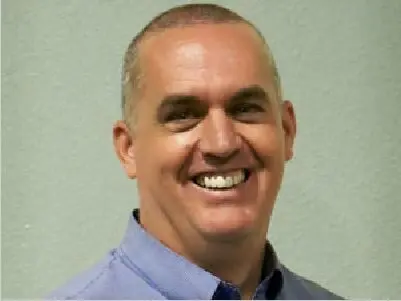
Join Dr. John Kyle as he unpacks Paul’s letter to the Ephesians, focusing on the profound impact of faith and love in the life of a believer. Dive deep into the first chapter of Ephesians as Dr. Kyle highlights how faithfulness and agape love transform our lives and communities, setting Christians apart with a unique, godly love. Through exemplary figures from Hebrews 11, discover how faith becomes tangible in both our hopes for the future and our current realities.
SPEAKER 02 :
Welcome to Expository Truths, where we exalt Christ by bringing clarity of truth through the scriptures with Dr. John Kyle, pastor of Faith Community Church in Vacaville. As Christians, we’re called to know the truth and be able to proclaim it. We can know truth when we know the Word of God, which is precise, without error, and powerful and effective for both salvation and spiritual growth. Enjoy digging deeply with Dr. Kyle as he takes us verse by verse through the powerful book of Ephesians, giving us a marvelous summary of the good news of Christ and its implications for our daily lives.
SPEAKER 01 :
Please turn in your Bibles to Ephesians chapter 1, verses 15 through 16. Ephesians 1, 15 through 16. The letter of Ephesians was written by the Apostle Paul to the faithful saints living in the city of Ephesus. Paul wrote this while under house arrest in Rome in about AD 62, and he wrote it to lay a proper doctrinal foundation for these believers so they could then live out those doctrines for the glory of God. We now find ourselves in this doctrinal section that’s found in chapters 1 through 3, and it’s very interesting because this doctrinal section begins with one single sentence in the original language, the Greek, a sentence that consists of 202 words, and a sentence that’s 12 verses long, verses 3 through 14. And in those amazing verses, which we finished up last time, Paul praised God the Father, God the Son, and God the Holy Spirit, you remember? He praised God for choosing us for Himself, for… predestining us to adoption, for making us acceptable in the Beloved, for redeeming us, for forgiving us of all our sin, for showering us with undeserved grace, for ensuring for us an eternal inheritance, for God’s sovereign care over us, for giving us a purpose and a reason for living His glory. For saving us and for giving us the Spirit who seals us and who guarantees all the eternal blessings which are most certainly become for us in Christ. So, in light of all those incredible blessings, now what? Praise God, right? Bless God. Glorify God because He certainly is worthy of it. Well, that long 12-sentence verse of praise to God has now ended, but Paul now begins another long sentence that’s found in verses 15 through 23. So let’s go ahead and look at the first part of that sentence, verse 15. I also, after I heard of your faith in the Lord Jesus and your love for all the saints, do not cease to give thanks for you, making mention of you in my prayers. Now, in the next couple of verses, Paul shares a wonderful prayer to us. But first, notice the first two things that Paul has heard about the Ephesians. First, he heard about their faith in the Lord. Note that this isn’t just talking about their initial act of saving faith in the Lord, but it’s talking about their continuing faith in the Lord, their faithfulness. See, they had originally placed their trust in the false god Artemis, but now their faith is in the Lord, and that faith was clear. Look, it was even being talked about because Paul himself had heard about it when he was in prison in Rome, and how good is that? I mean, that others are talking about their Christian faith. Think about that. Wow, they really believe in the Lord. You can see it. It’s clear. It’s obvious. They trust in the Lord not only to save them, But they trust in Him with every aspect of their lives, and it’s clear because it’s seen in their lives. It’s clear because it’s seen in their attitudes and in their actions. I love that. So what is faith? Hebrews 11.1 says that, “…faith is the substance of things hoped for, the evidence of things not seen.” Substance describes a support, a confidence, a steadiness, an assurance, and a foundation. It tells us that faith provides the firm ground on which to stand. while we eagerly wait for all the amazing promises that lie ahead. The word hope means to look forward with confidence to that which is good and beneficial. It means to expect with the implication of some benefit. So faith is what gives substance to our hopes. So I guess the next question is, what then do we hope for? Well, we hope for the things that God has told us that we haven’t yet fully realized, incredible things like heaven and all the glories that lie ahead. Faith looks at all those hopes and helps us to patiently wait for them, and it gives us an assurance and a confidence to patiently endure through it all until we receive all those promises in full. when we die so faith is a solid ground that allows us to confidently live for the glory of god through all the hills and all the valleys of this fading life look everyone has faith the real issue is this what is a worthy object of our faith for us christians our faith is in god and what god has said in his word see we believe that god has spoken to us and while god hasn’t told us everything that there is to know he’s told us enough about truth and salvation and life. And we put our trust in Him, this God who created all, this God who knows all, this God who never lies, this God who is truth. And even though we can’t see Him, we are full of confidence that what He says is real, that what He says is true, and our lives reflect that reality with faithful living. Faith is also described as the The word evidence means conviction. So faith is the conviction that the unseen exists. This takes things a step further for us because this implies action. See, true conviction is willing to stake your life on your hope. A.W. Pink uses the analogy of two men standing on the deck of a ship looking in the same direction. One sees nothing, but the other man sees a distant steamer. The difference is that the first man is looking with his unaided eye, whereas the second man is looking through a telescope. Faith is the telescope that brings the future promises of God into present focus. Faith enables us to see the unseen world that the natural man cannot see. The Bible tells us that true faith is indeed a gift of God, Ephesians 2.8, and those who have true saving faith are certain in what God has said and in what God has done. And they are so confident that they will not only live out their faith, but they’re even willing to die for their faith. So to have true faith means that you first entrusted your soul, your very soul, into the care of God. It means that you believe what He says in His person and in His work, and you trust Him to do what He says, right? To forgive you, to rescue your soul from wrath, to save you, to redeem you, even though you don’t deserve it. So you first have saving faith in Christ as Lord and Savior. That means that you believe what God says about you. What’s that? that we’re all sinners, and sin has drastic wages, death, and not just physical death, but eternal punishment. See, sin not only separates us from God, but sin condemns every person to hell, the just punishment for sin. You say, how is that right? How is that just? Hell for just one sin? Here’s why. Because our God is an infinite God, and sin against an infinite God demands infinite wages. Therefore, either we pay for the wages of our sin for an infinite amount of time in hell, or an infinite and truly worthy one pays for our sin once and for all, which is exactly what Jesus, God the Son, did on the cross for all who believe. 2 Corinthians 5.21, He made Him who knew no sin to be sin for us that we might become the righteousness of God in Him. That tells us that on the cross, God treated Jesus as if He had committed every sin ever committed by every person who would ever believe even though He committed none. That means that on the cross, the believer’s sin was not only put onto Christ, but He was also punished for the believer’s sin as their substitute. Picture a courtroom scene. You’ve been accused of a crime and you’re clearly guilty. All the evidence is stacked against you. God is the judge and Satan is the accuser and the accuser has you right where he wants you. The punishment for your crime is indeed death. And again, the case against you is ironclad. You are guilty. The verdict is given. Guilty. The sentence is death. And now they’re going to take you away to be executed. That’s when a voice from the back rings out, me for him or her. I’ll go instead. I’ll take the punishment. I will pay the penalty. Someone responds, but you, Lord, never did anything wrong ever. And that person is guilty, guilty, guilty. We have him on multiple counts. Jesus responds, no, put it all on me. I will pay the price. I will pay the sentence of death that’s required. And that’s what he did on the cross for everyone who believes. See, he took our place as believers and died so we don’t have to face eternity in hell. He was executed. So we who believe could live forever in eternal glory. And that indeed is a great exchange. Our sin as believers was credited to Christ’s spiritual account, which He paid for in full on the cross when He died. And His perfect righteousness is credited to our spiritual account, which fits us perfectly for heaven. And that’s why sinners like us can go to heaven, even though we don’t deserve to, because Jesus took care of it for us as believers on the cross. That’s true good news. I can’t make myself right with God. No, but God can make me right through the death of Christ in my place. And that amazing reality, that comes by faith, right? Now, biblical faith isn’t just intellectual assent, but it’s trusting in Jesus as a living person for forgiveness of sin and for eternal life with God. It’s a personal trust in Jesus alone to save me from my sin that condemns me to wrath. Saving faith comes first, but it doesn’t stop there, no. Because while a person is saved by faith alone because of what Christ did, True saving faith will result in a lifestyle of loving obedience to the Lord who saved you in faithfulness, in faithful living. And look, the heard about faith of the Ephesians is focusing on their faithfulness as believers, on their faith lived out as believers. So, I guess a good question is, what does that kind of faithfulness look like? Well, for the Ephesians, it was clearly their love for all the saints, which flowed out of their faithfulness to God, which we’re going to get to. But before we look at that, Hebrews 11 shows us what faithful living looks like, and we do well to look briefly at that. I want it to be so clear about our faith that people around us not only can see it, but they can’t help but talk about it to others, even if they don’t like us and even if they don’t agree with us. So what does true faithfulness look like? What does a talked about faith look like? Well, from Hebrews 11, and you can just follow along. I’m just going to go through it. You can follow along if you want. From Hebrews 11, faithfulness looks like Abel. who offered up a more excellent sacrifice than his brother Cain. See, in faith, Abel gave an offering to God from his heart based on his love for God and done for the glory of God. And it wasn’t wrote, and it wasn’t done out of mere duty, no. It was done because he loved God and because he wanted to glorify God. That’s what a faith that is seen is like. It’s real, it’s passionate, and it has God as its focus. Faith that’s talked about also looks like Enoch, who was taken away and didn’t see death. See, in faith, Enoch pleased God with his life for 300 years. Think about that. He trusted God, and that trust caused him to be dedicated, devoted, loyal, and faithful to God for centuries. See, it talked about faith remains faithful throughout the years. It remains faithful to the end, no matter how long that may be. Redeeming today for the glory of God, and then tomorrow, and then the day after that for Him. Pursuing God daily, seeking God daily, earnestly following after God as our primary focus and as our first priority. Faithful to Him through it all, through hardship and loss and pain and trial and suffering through it all. The thought, wow. His faith is proven. I mean, look at him. He still trusts the Lord all these decades and all these centuries later. What about you? From Hebrews 11, faith that’s talked about looks like Noah who feared God. True faith fears God, which means that Noah had a healthy respect and reverence for God that stemmed from the knowledge of God and that resulted in the obedience to God. He took God and the things of God seriously, see. Now, many today don’t do that. They treat God flippantly, even in many churches. But not Noah. No, he knew what mattered. And as he looked to God, he both revered and loved God so much that that led him to obeying God to the point of building an ark for 120 years in a land that had never, ever, ever seen rain. That’s faith. I want to have a faith like that. Faith that’s talked about also looks like Abraham who obeyed God and went where God wanted him to go even though he didn’t know where he was going. God said to Abraham, go. Okay, where Lord? That way. Okay, Lord, but what’s the final destination? I’d like to know. Don’t worry about that, Abraham. Just go and trust me. Okay, Lord, I’ll go. And he went. That’s real faith. He obeyed God, even though it was dangerous and confusing and hard, and even though it didn’t make a lot of sense. But in faith, he did what God told him to do, trusting in the bare Word of God. How was he able to do that? Faith. Faith. See, he knew that this world wasn’t his real home anyhow, and so he didn’t focus on the fading things of this life, but he lived for the next, and that meant obeying God and trusting God, even when it meant leaving everything that you hold near and dear to your heart. Faith trusts God anyhow. I want to have a faith like that. From Hebrews 11, a faith that’s talked about also looks like Sarah, who trusted God and had a baby when she was 95. God said it, and in faith she embraced His promises, even though those promises made very little sense. See, true faith continues and endures and trusts God all the way to the very end, even when things didn’t turn out the way that we had planned. Sarah had her child, but the faith that’s exemplified in her is where you trust God even when things don’t turn out the way that you had planned. you still trust Him, right? You keep trusting, knowing that the best really is yet to come, and knowing that He knows exactly what He’s doing in my life, even when I don’t understand it. That’s the kind of faith that people will talk about, and that faith greatly pleases God. Faith that’s talked about also looks like so many in the past who trusted God throughout their lives. And look, they died trusting God because in faith they knew. Hebrews chapter 11, verses 13 through 16. So they died as they lived. They died dominated by faith. And look, their faith didn’t waver on their deathbed, no, but it remained and it even grew stronger. And so they trusted Him until they came to their graves. How? How? Faith, right? God had made some promises to them, and they knew in faith that God would keep those promises. And so they embraced those promises. The word embrace means to greet, to welcome, and to salute. The picture here is of people on a ship passing a land that they can see on the horizon waving a greeting to that land as they go by. And that’s a picture of how the faithful ones in Hebrews 11 treated the promises of God. Soon the greeting will turn into an embrace, but not yet. And that’s okay because they know that it’s only a matter of time before they will then embrace. And so they live for the next life. They live for eternal things. They live for the glory of God, knowing that home is soon to come. Until then, glorify God in faith with passion. And that’s the kind of faith that people are going to talk about. Faith that’s talked about also looks like Abraham who trusted God so much that he was willing to kill his only son based on what God had told him. See, his faith was greatly tested and look, he passed the test and that’s what real faith does. Life is a test. Passing the test means that we trust God. It means that we listen to God, that we obey God, that we honor God no matter what. Not just when things are easy, but also when things are hard. Though He slay me, I will follow. Though I suffer, I will follow. Though I don’t understand, I will still follow. Though things are rough and tough and painful right now, I will follow. And that’s the kind of faith that people will talk about, and it greatly pleases God. Faith that’s talked about also looks like Isaac who blessed Jacob and Esau, and Jacob who blessed the sons of Joseph. What’s that talking about? It means that we repent when we sin and stumble daily. That we honor God today. That we bow down to the providence of God even when it’s not what we might want. We trust Him still. Real faith says, yet not my will, but your will be done, O Lord, my good Lord. It trusts Him. It trusts him. Faith that’s talked about also looks like Joseph who looked ahead. Or like Moses’ parents who weren’t afraid. Or like Moses who chose suffering over sin. Who chose reproach over riches. And who chose eternal treasure over earthly treasure in faith. And that’s the kind of faith that people will talk about. Hebrews 11 continues on to tell us that the faithful ones fear God more than they fear man or what man can do to them. They can hurt me and they can even kill me, but pain is fleeting and death is gain in Christ. The faithful understand that. In light of that, the faithful stand up for God and His glory even when it brings pain. They honor God even when they have to stand alone. They choose suffering over dishonoring God because they look ahead in faith. See, suffering for Christ is better than the easy life without Christ. God’s glory is worth suffering and dying for, and the faithful ones know that. It’s worth losing some friends for. It’s worth losing everything so long as He is pleased. The faithful understand this, and they live for it more and more and more. See, the faithful ones step out and obey even when stepping out looks ridiculous. They still do it. Their eyes are set on Him and they remain fixed. Even if it means getting thrown to the lions. Even if it means being tortured. The faithful ones know that God can rescue them at any time, but even if He doesn’t rescue them, they still aren’t going to compromise their faithfulness. See, they trust that if God wants to rescue them, then guess what? God’s going to rescue them, but if He wants them to suffer and die, then they will suffer and die in faith for the glory of God. And so, the faithful one trusts God in life, and they trust God in death. God is worth it, and so is the glory which lies ahead with Him. And that’s the faith that’s described in Hebrews 11, and that’s the kind of faith that’s going to be talked about, and that’s the kind of faith that I want for my own life, and for all of us here, that’s the kind of faith that’s needed today in this society. The Ephesians had a talked-about faith. I think it looked like that. Because Paul heard about their faith in the Lord, that they were living it out. It had to have looked like the faith mentioned in Hebrews 11, but Paul mentions one aspect of their faith, this. Their love for the saints. How good is that? See, because of their great faith in the Lord, therefore they had a talked about love for one another, which is a great thing to be said about any Christian and about any church. Therefore, Paul says, I also, after I heard about your faith in the Lord Jesus and what? Your love for all the saints. That is a massive compliment here because love is the chief mark of a true Christian. Who are we? We are those who love God and we are those who love others passionately and from the heart. Only Christians can truly do that. The word for love here is the Greek word agape. Now there are four different Greek words for love in the Bible. Eros, which is a word for romantic and passionate love. Philia is a word for love that we have for those near and dear to us, for our family and our friends. Storge is a word for the love that shows itself in affection and care, especially close family affection. But agape love is different. It’s distinct. Agape love is a love of choice. It’s been called unconditional love because it chooses to love even that which is undeserving of love. Agape love is a kind of love that God has for us. It’s special. It’s unique. While we were yet sinners, enemies of God, He still gave His life for us. And we’re called to exhibit that kind of love to others. And it’s a very distinct kind of love. It’s a godly love. It’s a unique love. It’s a covenant love. It’s a love that comes from God Himself to us in Christ and then flows through us, out of us, to others. See, agape love has to do with the mind. It’s not simply an emotion that rises in our hearts all at once, but it’s a principle by which we deliberately choose to live by. And this sets a Christian apart from the non-Christian. William Barclay says that agape means unconquerable benevolence. It means that no matter what a man may do to us by way of insult, injury or humiliation, we will never seek anything else but his highest good. It is therefore a feeling of the mind as much as the heart. It concerns the will as much as the emotion. Agape describes the deliberate effort which we can make only with the help of God, never to seek anything but the best, even for those who seek the worst for us. Did you hear that? And only Christians, with the help of the Holy Spirit, can really love in this manner. See, non-Christians don’t love like this because this kind of love is contrary to their nature. Romans 5.5 says, the love of God is shed abroad in our hearts by the Holy Spirit who has been given to us. So again, only true Christians can love in this way as the pattern of their lives because God gives that love to us, not so non-Christians. And that seems clear when you look around you. What kind of love marks the world? Not agape love. Self-love, yes, look around you. Lustful love, yes. Love that benefits me, yes. But not a forgiving, selfless, gracious, sacrificial, turn the other cheek, I put you ahead of me for the glory of God kind of love. Not at all. But it must be true for us here. True Christians love with this agape, godly love. Do you?
SPEAKER 02 :
Thanks for joining us for today’s exposition from the book of Ephesians on expository truths with Dr. John Kyle. Continue on with us next week at this same time. And to find this sermon in its entirety as well as other sermons, visit vacavillefaith.org. Faith Community Church seeks to exalt Christ by bringing clarity of truth through the scriptures with a commitment to glorifying God through the pure, deep, and reaching message of the gospel through faithful exposition. Pastor John is the preaching pastor at Faith Community Church of Vacaville, a seminary professor, and a trainer of preaching pastors overseas. Join Faith Community Church for worship Sundays at 9 and 1045 a.m. Located at 192 Bella Vista Road, Suite A in Vacaville. To learn more, visit vacavillefaith.org or call 707-451-2026. That’s vacavillefaith.org.