



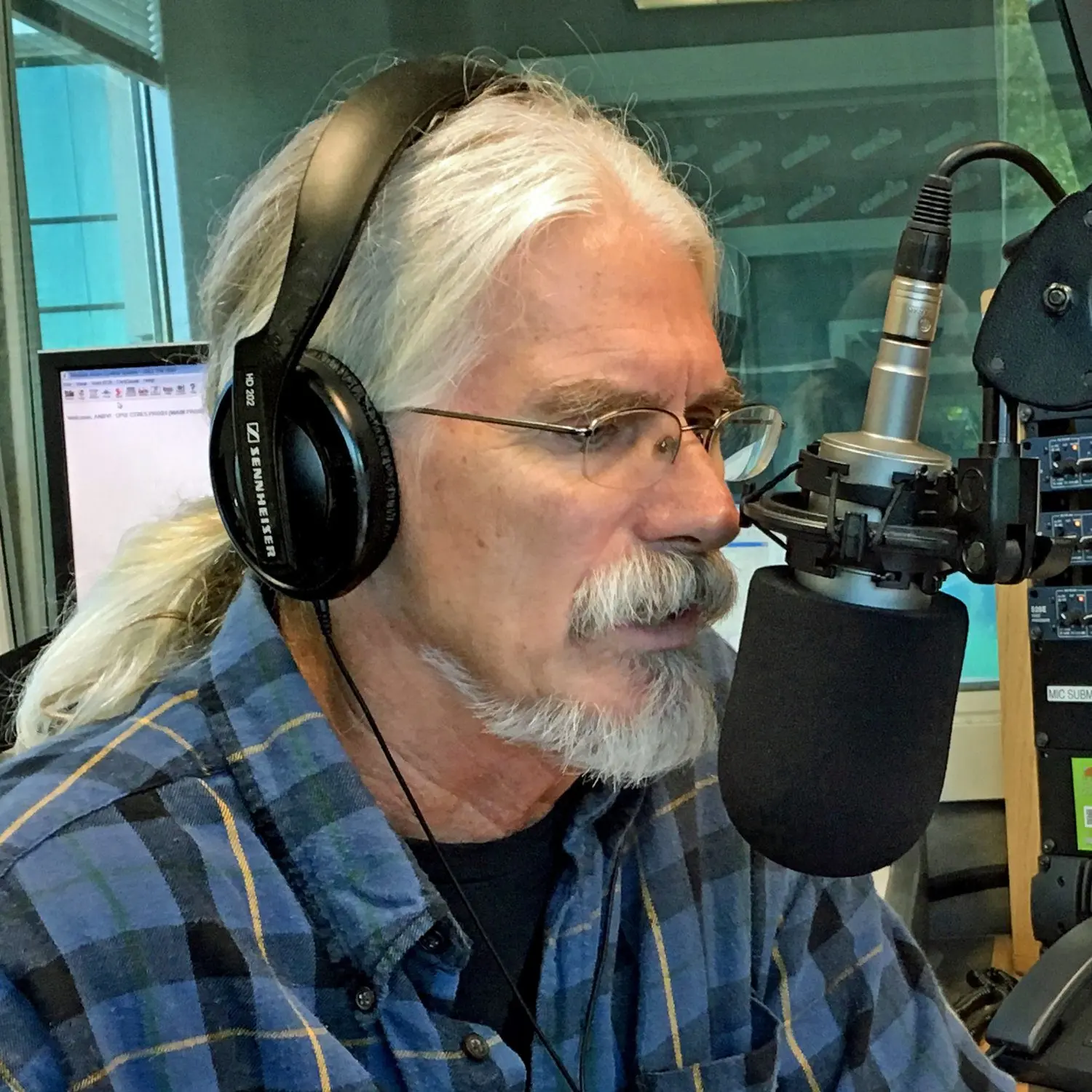
Join Steve as he engages with listeners on challenging theological topics like justification by faith and works. Listeners raise questions on biblical interpretations of James and Paul, discussing how works relate to faith in Christian doctrine. The episode also delves into eschatological views with caller discussions on full preterism and historical accounts by Josephus and Tacitus. Finally, the conversation touches on the intriguing subject of election and whether it implies predestination or individual choice in salvation. Tune in for enlightening explorations of faith and thoughtful scriptural insights.
SPEAKER 1 :
Thank you.
SPEAKER 08 :
Good afternoon, and welcome to the Narrow Path radio broadcast. My name is Steve Gregg, and we’re live for an hour each weekday afternoon, during which we have an open phone line for you. You call in if you have questions about the Bible or the Christian faith, and we’ll do our best to answer your questions. If you have a different viewpoint from the host, think the answer given to somebody else was the wrong answer, feel free to call up and correct it or do your best to give the better answer. The number to call is 844-484-5737. One more time, that number is 844-484-5737. And for our Seattle area listeners, remember in a couple of weeks, I’ll be up in the Seattle area teaching for about a week in a variety of places. If you are interested in attending a meeting up there, feel free to visit our website, thenarrowpath.com, and look under Announcements, and you’ll see the times, dates, and places of those meetings. That’s going to be the second week of December, so it’s a couple weeks from now, just about. All right, we’re going to go to the phones and talk to Carissa in Big Sur, California. Hi, Carissa, welcome.
SPEAKER 01 :
Hi, Steve, how are you doing?
SPEAKER 08 :
Good. Now, are you the Carissa we called years ago from Big Sur?
SPEAKER 01 :
Yes, uh-huh.
SPEAKER 08 :
I thought so. It’s been many years.
SPEAKER 01 :
Yeah, it’s definitely been a while, yeah. I remember you were in my parents’ home and very influential in my brother and I’s life. And, you know, I just really appreciate that.
SPEAKER 07 :
I remember, yeah. That was like 30 years ago or 25 years ago or something.
SPEAKER 01 :
Okay. Something like that, yeah, yeah. So I have a question about curses on lands and people. And, of course, I live in Big Sur on a family homestead. It’s about 50 acres. My husband and I have lived off and on the ranch, and we have several family members, you know, older adult family members, children, and other relatives living on the ranch, and a few renters. And we moved back to the ranch about four years ago, and it just really seems very dark, so dark that we’re actually moving out. I remember you talked about years ago, before you moved to Corvallis, and you were trying to start a ministry, and… you know, you couldn’t get off the ground, and, you know, people’s words would be twisted before they could get to somebody else’s ears, and it was really dark and eerie in the house before you left, and a witch had placed a hex on the place, and you said it could have been broken if you had known. So my question here, you know, is, you know, of course, I’ll explain a few of the dark things. This was real in general in a minute, but, you know, I guess we’ve prayed over the land. We had a Bible study years ago, a thriving Bible study in Big Sur, and And people came up and prayed over the four corners of the land. And then my husband and I, since we’ve moved back, have prayed over our section of the land. But, I mean, we’ve had probably 15 human predator attacks on us. Nobody else on the ranch that lives there, just us. Ranging from, you know, things like putting dirt in the air filter of my car, shaving one of our dogs, to actually poisoning animals. one of our dogs, and then two weeks later, on the solstice, summer solstice a year and a half ago, strangling one of my goats. You know, we found it strangled about a week later. And so that was just, you know, really horrific. And so, you know, so we’re just kind of, there’s definitely somebody watching our comings and goings. But then also things like, you know, my stepdaughter, you know, is holding all these grudges toward me and won’t even speak to me, and she’s supposedly a Christian, and she and her husband are really weird toward us right now. And then I have an adopted daughter with a severe mental health crisis and is very defiant and yelling and screaming all the time. And we end up putting her into a Christian group home, and she’s actually doing well there. I mean, maybe she’s even possessed. Her eyes would change color. I really tried to deliver her, but I wasn’t successful. And so I’m just wondering if there’s a curse on the land and why our prayer is you know, didn’t avail and didn’t work, or what the situation is. Is it the land? Is it the people? Did somebody curse us in specific? Or is it just persecution because we’re Christians? I’m not sure.
SPEAKER 08 :
Right. Well, you know, a lot of people consider that spiritual warfare, among other things, addresses curses on places, though the Bible doesn’t necessarily say that. The Bible actually says an undeserved curse will not alight, will not actually land. because there’s no room for it. Actually, Balaam was hired to curse Israel, and he said that there can be no sorcery against Israel. He meant when they were obedient to God, obviously. Now, curses do come upon people, and perhaps places too, and sometimes from God himself. I mean, God told Israel that if they were covenant breakers, then they would be cursed in many ways, which The implication is that he would be the one bringing the curse. But I’m sure that there are demonic curses. We’re not given much information about them. But I would say that if I were in that situation, I would definitely address it as a demonic thing. If it isn’t, I don’t see what could be hurt by doing so. But it sounds like you’ve done that already. Even Big Sur has had a lot of dark stuff. about it back in the 60s and 70s and so forth. And there could be some real satanic background to the land that I don’t have any idea about and that you don’t either, perhaps. And I don’t know. Again, praying, getting other people to pray and fast with you over it would be certainly something I would recommend if you haven’t already done that. You have prayed, I know. But, I mean, to really concentrate on getting as many Christians as you know together, I would say, and praying over it and commanding any demonic powers to be gone would be an approach that I would take. Because in addition to the case in my past that I mentioned that you were talking about, there was an earlier time when I lived in Southern California. And the house I moved into, my wife and I at the time, moved into this apartment. And it had been inhabited by a witch. We didn’t know that. We found that out later. A friend of mine had known this woman. And when he found out we were in that apartment, he said, oh, you should have seen that place where she lived there. She was like a witch or Satanist or something. But we didn’t know that. We just moved into it. It was just an apartment. And from the day we moved in, we heard. footsteps creaking on the floor at night, you know, in just the next room. And our door was open between, so it sounded like it was, you know, only a few feet away. And it wasn’t just the creaking of the house because it was getting cold or something. It was measured footsteps that sounded like they were 10 feet away creaking on the floorboards. And that happened for several nights. And I finally just… I didn’t even know about the background of that place. I just… got indignant I guess and I said I command you in the name of Jesus Christ to get out of here and don’t come back and it never happened again I mean it was gone and it was after that a friend of mine who had known the previous inhabitant had told me that place he said the walls were all painted black and she was like conducting rituals and things like that there so I mean, I put it together. I assumed that there was some kind of a demonic residue there that remained after she left. Now, I don’t know if there’s anything like that related to your land. I know that kind of stuff, Big Sur has been associated with that kind of stuff from early times in the 20th century. And you might have to do something along those lines. But I would suggest that you get as many Christians as have any faith and pray and maybe fast. And then, I don’t know. walk the property or go out and just stand against the demonic powers and command them to be gone. Now, will this work? I would think it would. You know, I don’t have, you know, I don’t have an awful lot of experience with curses. The Bible doesn’t give a lot of instructions about curses, but we certainly know that greater is he that is in you than he that is in the world. And James said, resist the devil and he’ll flee from you. So, I mean, Those are the kinds of things that I would be leaning on if I were in that situation. You know, I don’t know any three-step procedures that make these things go away, but standing against it in prayer and with others, I would think would be the thing that would eventually rid the land of any such things if they are present. I mean… Some strange things have happened to you on that land. So it could be, you’re right, there could be some demonic thing. But I, yeah, it’s not like the Bible gives you some kind of a three-step plan for ridding land or, you know, regions of curses or whatever. But I would not be afraid of it. Of course, obviously, there’s some danger to your animals and so forth if you stay there unless you get it eradicated. But I would just, I would just, have total faith that God is on your side in this matter and hold out in prayer, persevere in prayer against it until it goes away. That’s the only suggestion I would know to do myself.
SPEAKER 01 :
Thank you, Steve. I appreciate it.
SPEAKER 08 :
All right. I’m sorry you’re having that problem. Sounds like you’ve got a beautiful place to live.
SPEAKER 01 :
It’s very beautiful, yeah. Okay, thank you.
SPEAKER 08 :
All right. God bless you, Carissa.
SPEAKER 01 :
Okay, you too. Thanks. Bye.
SPEAKER 08 :
Bye now. Okay. John in Redmond, Oregon. Welcome to The Narrow Path. Thanks for calling.
SPEAKER 04 :
Hi, Steve. I just want to say I’m a first-time caller but a long-time listener. And also I just wanted to mention that I just got done watching your debate with Dr. Michael Brown, your recent debate. And it was the best debate I’ve ever seen, man. It was a real example of Christian unity. We don’t always have to agree with each other to be unified. And I was on the edge of my seat the whole time. It was awesome.
SPEAKER 08 :
Well, Dr. Brown and I are, of course, on opposite ends of the pole as far as the subject we’re discussing, which has to do with modern Israel. But we got along just fine. We didn’t have any animosity toward each other at all.
SPEAKER 04 :
Yeah, it was great. But to get to my question, I actually have three questions if we have time. And my first question is, in James 2.24, it said a person is justified by works and not by faith alone. And my question is, how does this square with the Reformation idea of sola fide, by faith alone?
SPEAKER 08 :
Yeah, well, you know, when Paul talks about being justified by faith and not by works, I believe in most cases the works he’s talking about are works of the law. That is, ritual works of Judaism. Paul’s conflicts, most of his ministry, were not so much with pagans as much as with Jews. And Judaizers followed Paul around. And after Paul converted Gentiles to the faith, these Judaizers would come in after he’d left and And sometimes they came when he was still there, like in Antioch, in chapter 15 of Acts. And they would try to, you know, bother his converts, say, well, you know, now that you’re a follower of the Messiah, he’s the Jewish Messiah, you’ve got to follow Judaism. You’ve got to get circumcised and keep the law. And Paul was adamantly against that. Now, many times Paul, when he talks about works in a negative sense, he uses the phrase works of the law. And in other contexts where he doesn’t use that term, he is still, you can tell from the context, that that’s the issue. Now, on other occasions, Paul talks very favorably about good works. He says that we’re created in Christ Jesus for good works, which he has foreordained that we should walk in. But he’s not talking about the works of the law. The works of the law are those distinguishing rituals which set Israel apart from other nations. that Israel was jealous over these things because they were special and made them special. Circumcision, keeping the Sabbath, keeping dietary laws, not eating certain unclean foods. These were the distinctives of Judaism. They had nothing to do with good living, because good living has to do with doing justly and loving mercy and walking humbly with God. But sacrifices, dietary restrictions, circumcision, holy days, especially Sabbath, those were the ritual things that, I mean, God wanted all nations to avoid circumcision. adultery and murder and theft and so forth. But he only required Israel to do these ritual things. And they made them distinct from other nations. And because they did those things and others did not, they felt like that made them superior. And so they didn’t feel that Gentiles, uncircumcised Gentiles, even if they had received Christ, even the Jewish Christians felt superior. that the Gentiles needed to be circumcised and become Jewish and do those rituals. So when Paul was writing, especially in Galatians and also in Colossians and Romans, a few other places, Titus, in a negative way about works of the law, he’s basically saying you’re not justified by Judaism. You’re not justified by doing ritual ceremonies that are associated with the Jewish religion. You’re justified by faith in Christ. In other words, you’re a follower of Jesus now, not of Moses and those rituals. Now, that doesn’t mean that you don’t have to live a good life because people have always been required to live a good life before the law was given. People were still, it was wrong to commit adultery. It was wrong to murder before Moses ever came and gave any laws. So, I mean, morality has never changed. And morality is not distinctly part of the law. It’s in the law, but it’s not distinctly. in the law because many other pagan nations think it’s outrageous to murder and to commit adultery and to steal, too. So the things that Paul said we aren’t required to do are the things the Judaizers felt should be done, that is, keeping these rituals of the law, these works of the law, as he called them. Now, Paul also talked… Uh-oh. Are you there?
SPEAKER 09 :
Yeah, I’m here.
SPEAKER 08 :
Okay, good. I have a unit that just went out. One moment here. Could you plug this in over there into the thing that – plug this in the black cord over there? One of my units that’s giving me internet here, I was using the battery. And anyway, not that cord, the black cord. Yeah. That’s it. Anyway, sorry. Did I cut out at all?
SPEAKER 04 :
I’m sorry.
SPEAKER 08 :
Because I watched the light go off.
SPEAKER 04 :
No, you didn’t. I heard everything that you – I heard everything that you said. Okay, good. Okay, good.
SPEAKER 08 :
Can I – No, right there is fine. Okay, that’s fine. That’s fine. Okay. Hopefully we won’t have a problem here. I’m in a hotel room and I’m using a hotspot. It’s a little different than you. I’m in Los Angeles right now because of some hospital visits we’re doing. All right. So as I was saying, Paul did speak about good works in a positive way many times. And he said that, you know, if we’re saved by grace, he said in Titus chapter 2 that that grace teaches us to deny ungodliness and worldly lusts and live soberly, righteously, and godly in this present world. He said that Christ redeemed us so he’d have a people of his own who are zealous for good works. He said that grace has been given to us because we’re God’s workmanship, created in Christ Jesus for good works. Now, that’s Paul. And, of course, James said the same thing. He said if we say we have faith but we don’t have works, our faith is dead. Because faith and works are not really separable. You will live according to your convictions. And your faith is your convictions. Your living is your works. So if you believe that Jesus is Lord, and you really believe that, Well, then you’re going to say, well, I should be obeying him. And that’ll, for the most part, be what you do. You’ll have failures. No one’s perfect, but you will be living a life that’s on a trajectory of obedience and good works. And James is basically saying, you say you have faith, but you don’t have works. Well, your faith without works isn’t going to do anything because it’s dead. Faith without works isn’t what God looks like. Yeah, he said even the demons have that. And Paul said essentially the very same thing in Galatians 5, 6. In Galatians 5, 6, he said in Christ Jesus, circumcision counts for nothing. Uncircumcision counts for nothing. But what does count is a faith that works through love. Notice Paul said, what matters to God is that we have faith. But he described it as a faith that works through love. So the faith that doesn’t have any works, Paul didn’t ever approve of a faith that doesn’t work through love. He was in favor of a faith that does. And James is talking the same way. So, you know, the faith that has works of righteousness, that is the faith that changes the direction of your life and your behavior. That’s the faith that proves that you really are a follower of Christ and you’re really saved. You are justified by that kind of faith. You’re not justified by having that faith and then doing some more works to get you more justified. No, it’s that faith that produces the works. Like a tree produces fruit. And so you’ve got to have living sap in the tree or else you’re not alive. And that sap is faith, and that faith produces fruit on the tree. So your behavior naturally flows from having that kind of faith. There are kinds of faith that don’t save, like the demons believe and tremble, but they’re not saved. So anyway, James is not really on a different page from Paul.
SPEAKER 04 :
Yeah, not really. And not after what you just said. They totally coincide. And I think that in a lot of Christian circles, we kind of misunderstand the word faith and we think it just means like a mental agreement. I agree that Jesus died on the cross for my sins, but it doesn’t really affect our living. And so I don’t think the Bible would call that faith.
SPEAKER 08 :
Right. To just believe something. To just believe something mentally. just means that somebody has shown you evidence that’s convincing and therefore you believe it. Now, you know, we naturally believe what we have evidence for if we’ve heard the evidence and if we don’t have some, let’s just say, prejudice against the conclusion it points to. And so, I mean, you have to have, you do have to have enough evidence or at least enough to convince you that the statements of Christianity are true. But there has to be something more there. There has to be an embracing of that truth by faith so that it becomes defining of your worldview and defining of your set of values. And that affects your behavior every day.
SPEAKER 04 :
Yeah, that makes a lot of sense. I appreciate that. Do we have a little bit of time for another question?
SPEAKER 08 :
Well, we do have a couple minutes before our break. Go ahead.
SPEAKER 04 :
Okay. So, you know, I’m just going to go to this one. So I do a lot of YouTube surfing and whatnot, and I found some preterist ideas that Jesus actually came back in the first century. And they mention Josephus and Tacitus, and they talk about these crazy things in Josephus and Tacitus where there was like a star in the shape of a sword hanging over jerusalem for a year there was a comet in the sky and they they they talk about they they saw chariots in the clouds and stuff like that and so you know that kind of messes with my entire paradigm of thinking that jesus is coming back again and so how would you how would you What would you say about that? You know, was that the second coming of Christ?
SPEAKER 08 :
No, no, no, no, no. Jesus did say that with reference to the destruction of Jerusalem in that generation, meaning in 70 AD when the Romans destroyed Jerusalem, he said among the signs would be they would see signs in the heavens and signs on the earth. And you’re right, Josephus lists, and Josephus has a single paragraph where he lists several amazing things like they see signs soldiers in armor in the clouds overhead. Or there was a star the shape of a sword that hung over Jerusalem for about a year. And there was a large gate of the city that required several men to open and close. And it just kind of opened on its own. And some things like that happened. There were a number of things like that that Josephus mentions. But those are things that I believe fulfill what Jesus said about there being signs in the heavens and on the earth. prior to the destruction of Jerusalem. Now, the preterists, I’m assuming you’re talking about full preterists, because I’m a partial preterist, and I believe most Christians are in some sense. But a full preterist is someone who says that everything happened, Jesus came back, the final judgment, the resurrection, the new heavens, new earth, it all came in 70 A.D., which I don’t believe at all. I believe important things happened in 70 AD, but not the second coming of Christ and its attendant events. So they would just say, well, that was the second coming of Christ. Well, in my opinion, Jesus wasn’t talking about the second coming of Christ in Luke 21 when he talked about those signs. He was talking about the destruction of Jerusalem. Now, see, the preterist equates the destruction of Jerusalem with the second coming of Christ. And they do so because they’re, I think, confused about biblical language. The truth is that in the Old Testament, and in the New sometimes, I believe, the language of God coming or of Christ coming is not always referring to the final coming of the last day. Because in the Old Testament, the prophets often spoke of God coming as when in fact it’s referring to God bringing armies, not from heaven, but from, you know, the other end of the land to invade. Like when it says in Isaiah 19, 1, the Lord rides on a swift cloud and will come into Egypt. Well, if you read, you know, that’s God coming on a cloud to Egypt, but if you read the whole chapter, he’s talking about the Assyrian armies coming and defeating Egypt. That’s not God coming from heaven, but it’s because it is God bringing them, because God is sovereignly, bringing judgment on Egypt through the instrumentality of the Assyrians, it’s a poetic way of speaking, that God is coming against you. And you find the prophets speaking that way often. And I think in the New Testament there are times when that imagery is used also. But that can be confusing because it is the case that when the Romans came against Jerusalem in AD 70, that was a judgment from God. Jesus predicted that it would happen because they rejected Christ. And it did happen. And therefore, there are times in the New Testament that talk about Christ coming. That term is used, where it’s really just referring to the Romans coming at his behest. He’s the one bringing judgment upon Jerusalem through them. But that’s not all, because the term is used of many different things. In the seven letters to the seven churches, I think five of them are told that Jesus would come to them, either favorably or unfavorably. And that wasn’t 70 A.D., Those churches had their experiences. Some of them were judged, but usually it was centuries after 70 AD. So, I mean, there’s lots of judgments which can figuratively be described as Jesus coming, but the end of the world coming is different than them all because those are all just metaphorical. You know, bad events are happening at the time. The Lord himself will descend from heaven with a shout and the voice of the archangel. That’s himself. That’s not a metaphor. That’s not him coming through armies. It’s him coming himself. And when Jesus ascended into heaven… In Acts 1.11, the angel said, This same Jesus that you saw ascend into heaven shall come back in the same way that you saw him go. Now, that’s again, this same Jesus, not some army representing him coming. This same Jesus will come back the same way you saw him go. So, there are statements in the Bible about the second, that use the expression, the coming of the Lord, which are sometimes not talking about the event of the second coming of the Lord, but some other event. But there are also statements many passages that speak of him coming that are talking about his future coming. And it’s associated with the future resurrection of the dead, the final judgment, the destruction of Satan, the new heavens, new earth. And those things haven’t happened yet. Hey, I wrote a book about this called Why Not Full Preterism? The audio book can be heard free at our website, thenarrowpath.com. Check it out. Or you can buy the book from Amazon. It’s at thenarrowpath.com. Thank you for calling. I’ll be back in 30 seconds. We have another half hour, so don’t go away.
SPEAKER 02 :
The Narrow Path is on the air due to the generous donations of appreciative listeners like you. We pay the radio stations to purchase the time to allow audiences around the nation and around the world by way of Internet to hear and participate in the program. All contributions are used to purchase such airtime. No one associated with The Narrow Path is paid for their service. Thank you for your continued support.
SPEAKER 08 :
Welcome back to the Narrow Path Radio Broadcast. My name is Steve Gregg, and we’re live for another half hour, taking your calls. If you have questions about the Bible or the Christian faith, you want to call in with those, we’ll talk about them. You disagree with the host, want to talk about that, feel free to give me a call. The number is 844-484-5700. That’s 844-484-5737. All right. Our next caller is Tony in Leesburg, Indiana. Hi, Tony. Welcome to The Narrow Path.
SPEAKER 03 :
Hi, Steve. Hey, in Luke 22, 36 through 38, Jesus tells his disciples to sell their cloaks and buy some swords. I’ve always been curious about this and how it relates. to, you know, was he just talking to the disciples because of the times that they were going to go through? Or is this good wisdom for us? I mean, obviously, we wouldn’t buy swords. We’d probably use some other self-defense. And was that how we should interpret that? Or does it even mean anything for us nowadays, and it just should be ignored as, you know, just a story of the times? Because I’ve heard many people say, you know, Jesus said, hey, get a sword, you know?
SPEAKER 08 :
Right, yeah. Jesus was not necessarily giving general instructions to all Christians to arm themselves. Though I’m not necessarily opposed to Christians having arms. That is, you know, defensive weapons for their homes or whatever. But I don’t think that that is what the context here is suggesting. You know, when Jesus gives instructions to his disciples… There’s kind of two ways that they can be seen depending on the context. One, he’s simply instructing them about how Christians, of which they were samples, they were Christians, the disciples, how Christians should live. And a lot of the teaching of Christ, probably almost all of it, is about how Christians should live. But there are private conversations he had with the apostles in which sometimes the things he said to them are specifically for them. And, for example, on one occasion in Matthew 19, Jesus said to the 12, you 12 have continued with me from the beginning. Therefore, you know, you will sit on 12 thrones judging the 12 tribes of Israel now. The fact that he said, you have been with me from the beginning, and this will be your reward, means that’s especially for them. That’s not for me. I was not with him from the beginning, and I won’t sit on one of those 12 throats. They will. So, I mean, from time to time, because of the private information or the personal information in a statement, we see that this is not for all Christians particularly, but for the ones he’s speaking to in particular. And he said to them in verse 35, When I sent you without money bag, knapsack, and sandals, did you lack anything? Now, he’s referring to an actual thing that he had sent them out two by two on a short-term mission back in Matthew 10 and told them not to take provisions because he wanted them to learn that God will provide for you. If you’re doing what God wants you to do, he’ll take care of your needs. So he told them not to take any provision for themselves, and they did. And now he’s kind of checking back with them. Remember that? Remember what I sent you out without those things? Did you lack anything? And they said nothing. He’s reviewing with them, kind of debriefing this previous outreach. You left here with nothing in your hands, but you didn’t starve. You didn’t lack anything. You came home just fine, right? Okay, so you’ve learned the lesson. You’ve learned that God will provide for you when you go out. He says, but now, he who has a money bag, let him take it. And likewise a knapsack. And he who has no sword, let him sell his garment and buy one. For I say to you that this which is written must soon be accomplished, must still be accomplished in me. He was numbered with the transgressors. For the things concerning me have an end. And then they said, Lord, look, here are two swords. And he said to them, it is enough. Now, it sounds like the initial part of his instructions are, you have learned by the previous outreach I sent you on, that you could trust God. If you’re going about God’s business, he’ll take care of your needs. You’ve learned that. You don’t need to learn that over again. You can now take stuff with you. It’s okay. I assume you have that lesson under your belt, and now you can proceed somewhat more normally as people would. So go ahead and take that stuff with you, your knapsack, your pack, whatever. But he also adds, if you don’t have a sword, buy one. Now that makes it sound like, okay, there’s 11 guys there. They need 11 swords. If any of them don’t have a sword, he said they should sell their cloak and get one. So it sounds kind of urgent. And then they said, well, here’s two. And he said, it’s enough, which is perplexing. This is a very perplexing passage because no matter which way it’s interpreted, I know about four different ways to do it. It’s troublesome because It is saying you all need swords. In fact, you need them badly enough that you should sell your clothes if you need to to get one. And they say, well, here’s two. Okay, that’s enough. Well, he’s just told them they need 11. There’s 11 men there. And so why is it enough to have two? Did he change his mind? Well, many people feel, and I think I’m among them, that they mistakenly thought that he wanted them to literally get literal swords. And they took him literally. So we got two. He said, okay, enough on that. You’re taking me too literally here. I’m not talking about real swords. I’m talking about something else. But what else would he be talking about? Why wouldn’t he be talking about swords? Well, it’s hard to say. This is a very difficult passage. And for many years, whenever I saw a commentary on Luke on a bookshelf, I’d turn to this passage and see what the commentator said. Because it seems like most commentators, they didn’t think very hard about it. And they skipped over it with a light statement. And I’ve never been satisfied to do that. And yet, it’s frustrating. Because almost any idea you come up with, there are some difficulties with it. Now, one thing that was said by a commentator once, I read it long ago, was that in those days, soldiers did not have their armor and their weapons supplied to them by the government. Like, you know, modern army, you go into the army, the government issues you your stuff. In those days, if you joined the Roman army, you had to get your own sword, get your own armor. You’d pay for it yourself. And so he would be saying it’s common knowledge that any soldier going to war, if he didn’t have a sword, would part with something less essential, like his cloak, in order to get one. And basically he’s saying that’s analogous to what I’m saying you need to do. You’re on your way to war. You’re not going to carry a real sword. But you need to make every sacrifice necessary to make sure you are fully prepared for what’s ahead. Now, that’s not very specific. And if they took him literally to speak out swords, well, here’s two swords. And he said, it is enough. Some have felt that he is saying, yeah, you guys aren’t getting it. We don’t have much time. I’m going to be arrested in a few hours. Let’s move on to the next subject. Enough on that. You’ve missed my point. And instead of hoping that they could get it, if he explained it a little more, he just said, well, let’s move on here. Now, that’s how some people see it. Some people think that he said you should buy a sword, meaning, of course, they say, well, isn’t a sword sort of a, isn’t that a metaphor for the word of God? Well, it is in Ephesians 6 and it is in Revelation 19, but neither of those books were written yet. The New Testament writers, I should say the apostles at this point, did not have any reason to associate swords with the word of God. That was a later metaphor adopted by Paul and also the book of Revelation. But where would they get one anyway? I mean, you couldn’t just sell your cloak and get a whole Bible. The Bible was not in print in book form. There were huge scrolls that were handwritten and extremely expensive, and so most people couldn’t buy one anyway. Carrying a Bible around It was not like what we can do where we have a nice leather book in our hand or in our purse or backpack. But, you know, this would be huge scrolls. It would be like you need suitcases to carry those if you could get them, which they weren’t really available for sale. Anyway, so he’s not talking about that. And, therefore, it’s a very difficult thing. Now, some people have said the key to this is where he said, for that which is written, I mean, this is verse 37, must be accomplished. And he was numbered with the transgressors. Now, this is a quotation from Isaiah 53, a messianic passage, that Christ would be counted as a transgressor. He’d be numbered. He crucified between two thieves with transgressors. And when he says, go out and get a sword because this which is written to me has to happen that I’ll be counted among the transgressors. Now, it was because there was a sword present in the Garden of Gethsemane. There were two, actually. Peter had one of them. that he resisted arrest. You remember he cut off the high priest’s servant’s ear with it. And Jesus healed the ear. But certainly to fight off the police makes you a criminal, makes you a transgressor. And so that as Peter used a sword to transgress against the law, not the Jewish law, but the Roman law, that meant that Jesus was counted among transgressors. Peter was one of his companions. Some have thought that that’s the answer. To my mind, that’s a little esoteric and… It doesn’t explain why they all needed to have swords. Why did he tell them to have swords? So I think somewhere the answer is, and I don’t have the, you know, I don’t know that I can say what the real answer is. The real answer seems to be that Jesus was making some kind of a metaphorical statement about being prepared, making any sacrifice necessary to be prepared for the battle ahead. But it’s not a physical battle. You don’t literally get physical swords. You have to be spiritually equipped and spiritually prepared. And they took him literally and said, well, here’s two swords. And he said, oh, enough on that. You don’t need more swords than that. Because he wasn’t talking about literal swords at all. Now, if you’re not satisfied with that answer, there’s several different other ones that people have suggested. The answer I just gave is the one that I find most satisfactory, but there may be a different one that I don’t know about that God knows about. Or maybe someone else does. If somebody else does, I haven’t located their works, but it’s entirely possible that somebody knows better than I do about that. All right. I appreciate your call. Thanks for joining us today, Tony. Thank you. Sorry I couldn’t do better. All right. I always feel bad when I can’t answer someone’s question because I’m just too ignorant. All right. Let’s talk to John in Oklahoma City, Oklahoma. John, welcome.
SPEAKER 06 :
Hello, Steve. Hi. I’ve been listening to you for about four years, four or five years. And I can’t say this about a lot of people, but I agree with just about everything you say. You are a straight. Yeah. But when it comes to election, I really, I don’t want to argue with you about it. I want to know, I’m trying to understand because you have insight. It’s obvious why you believe or, Let me just ask the question, when do you believe a person becomes one of God’s elect?
SPEAKER 08 :
When they come into Christ, the elect one. We are not elect individually, we are elect in Christ. That is Christ corporate. In the New Testament, after Jesus ascended and poured out his spirit, the church became his body. And Paul then speaks of Christ very often in that sense. He’s talking about the body of Christ, Christ corporate. Jesus is the head. We are his flesh and his bones. When we’re converted, we are the Holy Spirit places us in Christ. And being in Christ, we share in the privileges of being in him, including the fact that we are chosen in him. He is chosen. We’re chosen in him. He’s righteous. We’re righteous in him. He’s accepted. We’re accepted in him. You know, he’s seated at the right hand of the Father. We’re seated at the right hand of the Father in him. That is to say, we are his body. We’re indistinguishable from him if we’re speaking of Christ corporately. And when you are in Christ, you are in the chosen one. And therefore, in him you are chosen. Now, the Bible does not say anywhere that any particular person was chosen to be in Christ, that is, chosen to come into Christ. That is a choice that everyone is made. required to make, were commanded to make. And we make that choice. If God decided who would be in Christ and who would not, then there would be no sense telling us to embrace Christ, because that would be inevitable, because God chose that that would happen, and it can’t be resisted according to Calvinism. There would be no need to tell us to abide in Him or remain in Him, since there would be no option open if God’s the only one making the choices. Now, we are making choices. If God was the only one making the choices, everyone would be saved because God’s not willing that any should perish, but that all should come to repentance. But because God isn’t the only one making choices, he gives us the choice just like he always gave everybody. He always gave people the choice. Abel, back in the days of Cain and Abel, before Abel was killed, God said to Cain, you know, Cain, if you do well, meaning like Abel did, well, you’ll be accepted too. Like Abel was. Now Cain didn’t do well and he didn’t get accepted. And the Bible later remembers him as a child of Satan. But God gave him a bona fide choice. Like anyone else, he could do well and he could be accepted. That’s true of everybody. Everyone could turn to Christ if they would. And there’s no suggestion anywhere that God has decided that some people can never come to Christ. But that’s what election would mean. Because if election, as Calvinists understood it, means that God has selected individuals to come to Christ. And if you have been selected, you will inevitably do so. And if you have not been selected, you will inevitably not do so. And you don’t really have any choice in the matter. Well, then it makes no sense for God, first of all, to give instructions and commands to people because they’re going to do whatever God selected them to do anyway. And it wouldn’t make much sense for God to hold it against people who don’t come to him since they don’t have any option. He hasn’t chosen to let them do that. He’d be getting mad at them for something he decided, not them. So, I mean, that’s simply not the way the Bible reads. That’s not the Bible teaches it. And so I believe that election is corporate. Christ is the elect one. He’s corporate. We are in him. We are his flesh and his bones. And if we are in him, we are in the elect one. Now, an analogy of this is Israel in the Old Testament, because I believe Israel… in the Old Testament, is a type of Christ. Israel was also an individual man, just like Christ was an individual man. Jacob was named Israel. Later, those who were of the same faith as him became, you know, the corporate nation of Israel. It’s still called Israel. It’s still named after one guy because they’re all from him. But being in Israel was to be in the chosen people. But anyone could be in Israel who wanted to be. A Gentile, if they wanted to be in Israel, they could be circumcised and they could become like a native of the land, the Bible says. On the other hand, a person who is born Jewish in Israel could be cut off from Israel if they violated the covenant. There’s many things in the law that say if a man does this, he’ll be cut off from the people. In other words, Israel collectively, corporately, is the chosen people, or was, and is An individual could decide whether he wants to be in the chosen people or not in the chosen people. And if a Gentile became part of Israel, he became part of the chosen people. He shared in the election or chosenness of the nation of Israel. Now Christ has come, and it’s now not being in Israel, but being in Christ that matters. You don’t have to be in Israel, you have to be in Christ. And it’s the same thing. A person chooses whether they’ll be in Christ or not. But once they do choose to be in Christ, they are now in the chosen one, and they share in the quality and status of being chosen corporately in the body.
SPEAKER 06 :
I do have a follow-up. 1 Corinthians 1.30, it says, because of him, you are in Christ Jesus. How do you understand that? Well, it is because of him.
SPEAKER 08 :
Paul makes it very clear that we’re born of God. We’re not born of human wits and power. We’re born of God. The Holy Spirit places us in Christ, it says in 1 Corinthians 12. So, you know, this is God’s doing. And what does he do? He takes all those who come to him in faith, all those who repent of their sins and put their trust in him and are committed to him, and he puts them into Jesus. And you can’t get in there on your own. You have to come to Christ, and then God does that for you. So, yeah, everything about our salvation is God’s doing, but we decide if we want to have that salvation or not. And if we do, then God saves us. He’s the Savior. Thank you for your time. I appreciate your call. God bless you, John. Bye-bye. Okay, bye now. Okay, let’s talk to Daniel in Tampa, Florida next. Daniel, welcome. Welcome.
SPEAKER 05 :
Well, thank you, Steve, for taking my call. The question that you just spoke about the election, I had kind of a couple of questions on that. You mentioned, I think it was yesterday, that Jesus is the chosen one and Christians are chosen by being in Christ, which you just said just now. Second Thessalonians 2, 13 and 14, talks about God has chosen you from the beginning for salvation. through sanctification by the Spirit and faith in the truth. And so it’s, I think you had mentioned yesterday that God doesn’t choose people for salvation, but Paul seems to be saying that here. And then in the first chapter of 2 Thessalonians, what is, in verse 4, what is God’s righteous judgment? I’m sorry, verse 5, God’s righteous judgment.
SPEAKER 08 :
Okay. Okay, so 2 Thessalonians 1.5 says, Which is the manifest evidence of the righteous judgment of God, that you may be counted worthy of the kingdom of God, for which you also suffer. Well, he’s talking about how they are being persecuted, and that’s the manifestation of God’s righteous judgment. that they are suffering for the kingdom of God. Paul said in Acts chapter 14, I think it’s verse 22, he told the churches he converted on his first missionary journey, he said, through much tribulation we enter the kingdom of God. And so he’s saying, this is the path. It’s like, you know, you have to go against the world. You have to follow God against whom the world is in rebellion. And they don’t like God, they don’t like people who follow God. So, It’s a righteous thing that God has allowed you to suffer for him. And by the way, the apostles in Acts chapter, I think it’s Acts chapter 5. No, it’s Acts chapter 4, I think. After they were beaten by the Sanhedrin, it says they went away from the beating. rejoicing that they were counted worthy to suffer for his name’s sake. Suffering for Jesus’ sake is considered to be a privilege. But he does say the righteous judgment of God doesn’t just end there. It also ends with what he does to your persecutors at the end. So it’s a righteous thing with God. It’s the righteous judgment of God that he’s going to, as it says in verse 7, he’s going to give you who are troubled rest with us when the Lord Jesus is revealed from heaven with his mighty angels in flaming fire taking vengeance on those who don’t know God and who don’t obey the gospel of our Lord Jesus Christ. So that’s, I mean, that you would suffer now for righteousness’ sake and they will suffer later for their unrighteousness, that’s kind of the whole paradigm of God’s righteous judgment, I believe Paul says. Yeah, we don’t appreciate suffering as much as Paul did, I think.
SPEAKER 05 :
Yeah. Yeah, I see what you’re saying, but I think when he talks about down in verse 7, he’s moved on. And I think that God’s righteous judgment for which they’re persevering and their faith is in 1 Thessalonians 1, 4, that God’s choice of you. And so their perseverance… is plain indication that God chose you. I think it’s what he’s saying.
SPEAKER 08 :
Well, I don’t have any problem with that either. I don’t have any problem with that either. Yeah, I mean, no, the point is, if you are in Christ, you are chosen by God. And those who are in Christ are chosen to suffer persecution as well as eventual, you know, vindication. So, I mean, I don’t see those things as being in conflict at all. So from the beginning, God chose you. I understand that to mean the church. They are the footprint of the church in Thessalonica. The church as a whole has been chosen, and they are the sample of that body of chosen people that are in that particular town. But the church is chosen in Christ. He said that in Ephesians 1 and 4. And I believe that that applies in the way he’s speaking about it here, too. From the beginning, before the foundation of the world, God chose… Christ and those who would be in him for salvation and also to experience persecution, too, which is part of the salvation experience. But, yeah, and they were part of that. They’re part of Christ. They are in Christ, and therefore they are among those that were chosen from the beginning to be saved. That is, the collective is chosen, and they are part of that collection. So they belong to it.
SPEAKER 05 :
I think Calvin was wrong. I don’t believe in Calvinism. But I think God does elect individuals, just from what I’ve been able to see. But it doesn’t equate to salvation. It’s a stepping stone on the path, but it’s not. Just because you’re elect, that means you’re saved or you’re going to be saved, guaranteed. I don’t believe in that.
SPEAKER 08 :
Well, if you’re chosen to be saved, is it possible for you not to be?
SPEAKER 05 :
I do believe so.
SPEAKER 08 :
Okay. Okay.
SPEAKER 05 :
You can reject God, even though God has granted you the ability to believe, as Paul tells the Philippians, it was granted to you not only to believe but to suffer. So God grants repentance. He grants the ability to believe. That, I think, is inherent in the elections.
SPEAKER 08 :
What would you say the ability to believe amounts to? What does it take in order to be made able to believe?
SPEAKER 05 :
I think the Catholics call it pervenient grace. Okay. Or an effectual call. God opens, and I think I mentioned this when I talked to you before a while back. Lydia, God opened her heart to believe the gospel. Yes, he did. I think that is what. The prevenient grace. That God does something.
SPEAKER 08 :
Okay. That’s very different than Calvinism. You’re right. Because Calvinism says that God does that for people who are totally depraved and they couldn’t possibly believe otherwise. What happened with Lydia? Yeah. What happened with Lydia where she’s described as a Jewish woman who served God or worshipped God and then God opened her
SPEAKER 05 :
mind to hear what Paul had to say or open her heart to hear what Paul had to say so she was already part of the Jewish faithful remnant just like Mary and Joseph were Paul worshipped God too back when he was Saul of Tarsus but he was blinded the God of this world had blinded his mind to see the truth and that can be very well applicable to Lydia or else why would God need to open her heart to believe the truth so I think that God does something for those that he’s elected. He’s not making them believe, but he grants them the ability. And so on the road to Damascus, Saul of Tarsus was granted the ability to believe. Now, he didn’t hear the gospel until he got to Damascus a few days later.
SPEAKER 08 :
Okay. Well, yeah, I don’t have a problem with that. I think that there are people who are stiff-necked and people who are blind and that they will not believe unless they are delivered of that blindness on the other hand I don’t think that everyone who is an unbeliever is in that sense blinded I mean faith comes by hearing and hearing by the word of God so Paul’s arguing there that people need to hear the word of God so they can have faith because faith comes from hearing it yeah some people are so blinded I do believe probably they need some special deliverance and you know like maybe knocked in the head by a spiritual two by four perhaps to get them to to see what’s true. Anyway, I appreciate your call. You’ve been listening to The Narrow Path. Our website’s TheNarrowPath.com. Thanks for joining us. Have a good evening.
