



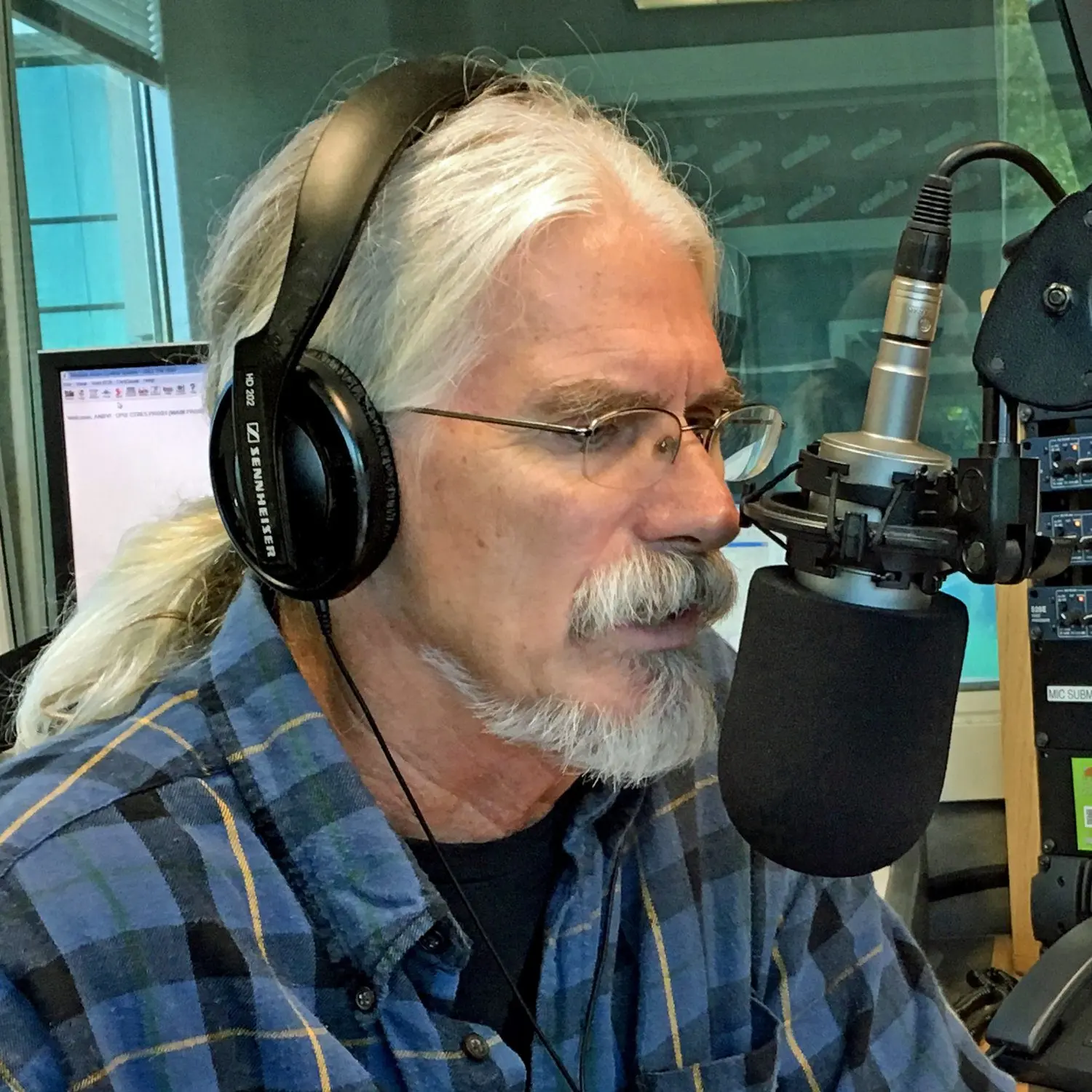
In this episode of The Narrow Path, Steve Gregg engages with callers on topics ranging from the nature of friendships within the church, to the theological implications of predestination and free will. As questions unfold, Steve helps listeners understand the importance of choosing spiritually edifying friendships and the role of love and acceptance within the wider body of Christ. Also covered are discussions on different biblical interpretations such as amillennialism and the perspectives on hell, providing insights into respecting theological diversity while maintaining personal convictions.
SPEAKER 11 :
Good afternoon, and welcome to the Narrow Path radio broadcast. My name is Steve Gregg, and we’re live for an hour each weekday afternoon, taking your calls. If you have questions about the Bible or the Christian faith, we’re glad to entertain those questions, discuss them with you. If you see things differently from the hosts, feel free to call about that, too. The number to call is 844- Our first caller today is Ryan calling from Spartanburg, South Carolina. Hi, Ryan. Welcome to The Narrow Path. Thanks for calling. Hey, Steve. Thank you for having me on.
SPEAKER 05 :
My wife wanted me to reach out and ask this question on her behalf. She listens to a lot of your teaching, and she came across a video where you had said that in the church you don’t choose your friends. and that you said that you had personally been enriched by many relationships that you otherwise might not have sought out. And she feels kind of like she’s between a rock and a hard place, because long story short, we moved to a new state, and we don’t know anyone here. And over time, we met a friendly couple at church that was our age. And so the wives kind of started keeping in touch, but kind of quickly it became apparent that my wife doesn’t really have much in common with her. And, uh, she felt that, um, I don’t want to be judgmental or negative, but that the conversation, uh, always turned towards very shallow things. And my wife wanted to talk to her more about God or, uh, you know, what she’s studying in school or deeper things, I guess. And she just felt that it, it became a constant, um, source of frustration and so she asked me well to what degree do we as Christians need to tolerate these kind of relationships if you just constantly feel it’s ruining your mental health and when you tell someone hey I’m not really interested to talk about you know things like cooking ingredients or shallow things like that I want to talk about something more but the conversation always seems to go back there
SPEAKER 11 :
Well, yeah, I mean, the way you cited my comment in my lectures that you don’t get to pick your friends in the church, that’s not exactly what I said. I mean, that might be an attempt to summarize it, but that wasn’t what I said. What I said was that you do get to pick your friends, but you don’t get to pick God’s friends. You don’t get to pick who’s going to be in the church with you because God’s family is very much including a lot of people that you would not necessarily choose as friends. Now, to say that you don’t get to choose your friends, that’s not what I was saying. I do believe you get to choose your friends. And the people you choose as your friends should be those that you feel either there’s a redemptive potential of you toward them or them toward you. That is, if they’re spiritually edifying to you, well, then that’s a good reason for you to be in their life and them in yours. If they’re not edifying you, but you might be edifying them, that is, you might be helping them to move more forward, challenging them in their spirituality. That’d be another reason to choose a friend. Now, your wife doesn’t have to choose this friend. She doesn’t have to be with this woman. I mean, if your wife feels like conversations with this woman are simply draining her, well, then there’s no reason that she has to interact with her on a regular basis, or at least as frequently. But what I was saying is that you need to love the body of Christ. You need to love all the people in the church. But there’s many people you love that you won’t have intimate friendships with. In fact, I’ve sometimes said, You know, Billy Graham said that he had only like four close friends. He knew almost everybody in the world. I mean, he had all the world leaders and so forth. He was very famous. All the preachers at least wanted to know him. But, you know, he must have known hundreds of people. And no doubt he loved them, but he didn’t have close friendships with them. You have to steward the time you have. And somebody who’s simply… like a black hole to your emotional energy, and there’s nothing being received by them, they’re just emptying you, that would be probably someone you wouldn’t want to spend a lot of your time with. So you do choose your friends, whether we’re talking about in the church or out of the church. And even among friends, I guess by friends I’m talking about people who are going to be your closest associates, the people you call when you need, you know, some support. That is some emotional support, some counsel, whatever. The people that you, you know, feel an obligation to help out with the things in their lives because of the kind of closeness you have with them. There’s not very many people that you have in your life like that. There might be lots of people who are kind of your friends. You might have dozens of them. And in the church, there might be hundreds of people in the church, but they’re not all going to be your friends simply because time does not allow that. Friendship would have more to do with companionship. And you do choose your companions. You need to choose your companionships to make bad choices of companions. And by companions, I mean people you hang out with and interact with, and they affect you and you affect them in their lives. Well, choosing bad companions can be bad for you. The Proverbs tells us that. The Bible says don’t make a friendship with an angry man because you’ll become like him. So also bad traits and good ones can rub off. Now, if your wife feels that this woman really needs somebody like her to lift her up spiritually or to challenge her, to awaken her to more spiritual interests, then there’s every reason your wife could spend as much time with her as she feels she wants to. But if she’s thinking, well, this is not happening when we’re together, when I’m talking to this woman, she’s not happy, She just deflects. She deflects every effort I make to turn things toward the things of God. At that point, I would just say, well, okay, choose someone else to hang with. So my statement is that you don’t get to choose who’s in your church because God’s children all belong to the church. And God accepts lots of people that you wouldn’t find enjoyable to be around. That’s all I was saying. I’m not saying that you don’t get to choose within the church which people you become closer friends with.
SPEAKER 05 :
That makes so much sense. Thank you for the clarification, Steve.
SPEAKER 11 :
Okay, Ryan, good talking to you, and I hope she makes some good friends that are enjoyable to be around.
SPEAKER 05 :
Thank you.
SPEAKER 11 :
God bless you. Randy in Jacksonville, Arkansas, it looks like. Hi, Randy, welcome.
SPEAKER 10 :
Hello, Steve. I’ve been listening a couple of years now, and I so greatly appreciate your thorough teachings and your ministry and your online offerings. I’ve been listening a couple of years on 99.5 FM out of Little Rock, and I was so happy that they started airing your program a second time each day. well, Monday through Friday at 10 to 11 at night because I’m often busy during that 4 to 5 hour.
SPEAKER 11 :
Yeah, a lot of the stations will do that. You know, often they don’t charge for the second airing because they might have the space free. And, you know, if you’re buying time from them at a different time of day, they’ll sometimes stick you in where they have the openness.
SPEAKER 10 :
So I had – Three short verses I wanted to quickly read in reference to John 14, 6, where Jesus said, I am the way, the truth, and the life. No man comes through Father but through me. And in reference to that, John 6, verse 65 says, reads and he said and he said therefore said I unto you that no man can come unto me except it were given to him of my father and then John 10 9 10 9 It reads, I am the door. By me, if any man enter in, he shall be saved. And that’s, I left off the last part for brevity’s sake. And then John 10, 30. I and my Father are one. The Gospel of John is so rich. Anyone new to the Gospel needs to read that because it is so rich, and there are many other passages that affirm that Jesus is the way and the truth and the life. And you’ll be greatly blessed to spend lots of time in the Book of John and 1 John as well. Now, my other question.
SPEAKER 11 :
I’m sorry, did you have a question about those?
SPEAKER 10 :
Yeah, Ephesians 21 and 22. What chapter? Ephesians, oh, Ephesians 2, 13, no. Ephesians 2.
SPEAKER 11 :
Let me just ask you, before you get to that verse, did you have a question about the verses in John you mentioned, or you just wanted to share them?
SPEAKER 10 :
I just wanted to share that, and then I wanted to mention the ones here.
SPEAKER 11 :
What’s the one in Ephesians say? Tell me what it says, and I can tell you which verse it is.
SPEAKER 10 :
Ephesians chapter 2, verse 21.
SPEAKER 11 :
Okay.
SPEAKER 10 :
And in whom, which means Christ, all the building… that fitly… Being jointly fit together. …grows into a holy temple in the Lord. …a holy temple in the Lord in whom you also are built together for an habitation of God through the Spirit. Now, is he talking there as if the Spirit is in the Jews and the Gentiles as that holy temple… or that the church is, or that both are all included?
SPEAKER 11 :
Well, the Jews and the Gentiles who are believers in Christ are all what we call the church. So he is referring to the church, and by the church he doesn’t mean the church building, of course, although he uses the metaphor of a building of a temple being built, a house being built, a habitation of God. But that’s common in the New Testament. Paul and Peter and others do that. They refer to us as the habitation of God. Peter says we’re like living stones being built up into a spiritual house, a habitation of God. Paul is using that language and that idea here, too, at the end of Ephesians 2. There’s other places, too. But what he’s saying is that we who are believers in Christ make up what we call the true church, the body of Christ. It’s also the temple of the Holy Spirit. And he’s saying the Holy Spirit lives in us. That’s why we’re called the temple of the Holy Spirit. God, in the Old Testament, when Solomon built the temple, God came and moved in there. And that was seen as his house. And what the New Testament tells us is that now we are his house. We who are Christians, the Holy Spirit inhabits us. And we are seen collectively. Just like we’re seen collectively as a body. When we say we’re the body of Christ, we don’t mean that I’m the body of Christ and you’re the body of Christ. The whole collective of believers is the body of Christ. I might be an eye or an ear or a finger, and you might be another part, but neither of us is the whole body. It’s talking collectively. All the Christians in the world combined are the body of Christ. And likewise, all the Christians in the world combined are the temple of the Holy Spirit. It’s just another part. another way of looking at the body or the church, which is his body. So, yeah, Paul’s just saying the Holy Spirit, you know, lives in each one of us. And as a result, he sees us collectively. We see ourselves as individuals living all over the planet. God looks and sees his whole people as one community, as one phenomenon, the body of Christ, the church, the temple of the Holy Spirit, and the Holy Spirit lives in us, and that’s what he’s saying. Okay, John in Tigard, Oregon. Welcome.
SPEAKER 07 :
Thank you for taking my call, Steve. It’s been like a decade since I’ve talked to you, but To make it, I pray I’m going to be concise. I’m an isolated Christian. I’m 68 years old. I just got back from a wonderful trip with my daughter and her family, and they’ve got a great church. And the problem I have is I have some different views on certain things in Christianity. Like I’ve come to the conclusion I’m an amillennialist. And my view on hell, I think of loved ones that are there, and I’m not sure whether it’s infinite. And then I wonder why the book of Revelation itself is a blessing, considering I’ve been at work and… I got a fellow ally, a believer, and we cannot talk about end time stuff. And then other Christians call me kind of like say that’s a dumb idea and stuff like this. And if you could pray, whatever you do it, that I could find a church home because this living alone stuff is for the birds. So I thank you for your time. Okay, so you don’t have a question for me? Well, the question is would be how to deal with just the differences in the churches themselves. I find myself when I’m around other believers, and it can even come in the family where certain doctrinal views when it comes to revelation and that, it’s like I feel like just keeping my mouth shut and I wonder about my motives. Am I trying to show off that I know something they don’t know?
SPEAKER 11 :
Keeping your mouth shut is not a bad idea. I mean, I’m not saying that you don’t have good things to say, but if it’s causing problems in the family or in the church, it’s always possible to keep your mouth shut. In other words, we don’t have to say everything we know If it’s not going to be helpful. And if you’re in a church where they’re not sympathetic to the views you’ve reached and they’re threatened by them, and I think that’s often the case. It shouldn’t be the case. Why should anybody be threatened? by you having a different view than they have. It’s very clear. When people are threatened, when they find out a Christian who thinks something differently than they do, it shows that they are finding their identity in that viewpoint or in that church’s doctrines rather than in Christ. You see, if you find your identity and your security in Christ, then anyone who’s in Christ, you identify with them. They’re your brother. They’re part of the same body with you. If you find your identity in a particular denomination and its doctrines, then when somebody shows up who doesn’t hold those doctrines, even if they’re in Christ, because your identity is not in Christ, it’s in your doctrines, well, then that other person is seen as an opponent, a rival. They believe something you don’t believe. And, of course, why should that be a problem? We meet people we don’t believe all the time, I would think. Why should that be a problem? if we are secure in what we believe and we know why we believe it, then when we meet someone who doesn’t believe, we say, well, okay, they don’t see it my way. So what? I know what I believe and I know why. But if you don’t know what you believe or why, and you’re just trying to belong to a church where they believe certain things, you’re not sure why you believe them, but you want to fit in, then, of course, someone who comes along with a different viewpoint says, It’s going to scare you, not because they’re dangerous, but just because you don’t know what to think now because you never knew why you thought what you did in the first place. But I just don’t understand churches that react that way. But I understand, and I certainly feel sympathy for you living alone and being lonely. We have many listeners, I’m sure, who are in that exact condition. you might find that you can make closer friendships at church. Again, if you’re going to a church that you don’t agree with, that you don’t discuss those things you don’t agree with. It’s a shame because Christians should be able to discuss things they don’t agree with each other about. And they can learn. Iron sharpens iron. Everybody can learn in that kind of environment. Let’s face it, lots of Christians are not really of a mind to learn anything. They don’t want to learn anything. They just want to maintain. They want to keep their salvation intact until they die, and they don’t want to be bothered with the confusing stuff, like maybe they should rethink a certain idea from the Bible. So, I mean, if you want to have friendships with people, you’re probably going to have to avoid doing things that threaten them. They won’t want to be around you if you threaten them. And unfortunately, there’s some very insecure people in churches who are very threatened when they hear somebody who doesn’t agree with what they do. So I bear that in mind. And you might make some close friends. Yeah, I’m very sorry for your loneliness. We live in a lonely world right now. I mean, there’s… all kinds of social media and so forth, but it doesn’t replace people, real people, face-to-face people, at least not for me. So, yeah, we’ll pray for you. God bless you, John, and hope things get better for you. All right. Now, when I put you on the air, I’m kind of expecting you to have a question. The last couple of calls didn’t have a question. It kind of confused me. Or at least, if you don’t have a question, to tell me something you disagree with me about so we can discuss that. But anyway, we’ll see what we can do with Bruce in Albany. Hi, Bruce. Welcome.
SPEAKER 01 :
Yes, Steve. I had a question on the phrase, fear of the Lord. Uh-huh. Does that mean the same thing in our culture today, or is there a different meaning?
SPEAKER 11 :
Well, the Greek word fear is phobos, which is like we got our word phobia from it in English. It’s the ordinary word for fear. Now, sometimes when preachers are talking about passages, and even translators do this, when they talk about passages that use the term the fear of the Lord, although the literal translation is the fear of the Lord, they sometimes change it to reverence. or reverential awe. And what they’re saying is not all fear is what we think of as fear. You know, when you get afraid of something and it kind of paralyzes you and so forth, that’s not what the fear of the Lord is supposed to be like. It’s more like reverence. And certainly those who worshipped God in the Old Testament were said to fear the Lord. because they had reverence for him. And they specifically were told not to fear other gods or reverence them. So sometimes the term fear in certain contexts would mean reverence. Now, actually, in one context, the very end of Ephesians chapter 5, Paul tells women to fear their husbands. Now, I don’t know of any translation that translates it as fear, though that is the word Paul uses. They usually translate it reverence their husbands, because fear reverence. is a negative emotion in most cases when we think of fear. I mean, fear has torment, John said in 1 John 4. So a lot of times fear is just, you know, calls to mind a negative thing. And to say that people fear God, I mean, there are people who fear God in an unhealthy way. That is to say they’re terrified of him. They don’t think he’s on their side. They are afraid. that everything they do wrong, he’s going to squish them for it because they’re like a bug that he despises. You know, the preaching of Jonathan Edwards and his sinners in the hands of an angry God kind of gave that impression about God. It’s a false impression about God. God is not ready to pounce upon you as soon as you step online. God loves you. He’s a father. Unfortunately, some people have fathers. that were that way. And therefore, when they think of God as a father, that scares them even more because they had abusive fathers. To know what God is like, you have to read what Jesus is like because Jesus said, if you’ve seen me, you’ve seen the Father. But we do need to fear God in a sensible way because the Bible says the fear of the Lord is the beginning of wisdom, which means you haven’t even started to smart up, to wise up, unless you at least fear God. Now, what’s that mean? it means that you have a good sense of how dangerous it is to become his enemy, to be on his wrong side. Just like if you see across the street, after a storm, a power line has come down into a live wire, well, you’d be afraid to go and touch it because touching it would be bad for you. But you’re not afraid of it if you’re in proper relation with it. If you’re across the street from it, you’re okay. there’s things that you know will destroy you or kill you if you relate with them wrongly. But the same things, you don’t have to relate with them wrongly. You can relate with them rightly. I mean, we have electricity in our walls. Electricity is a scary thing if you get electrocuted. And you’d get electrocuted if you’re in a wrong relationship with the wiring in your house and the electricity in your house. But we’re awfully glad to have electricity in our house. It’s very helpful to realize that as long as I’m on the right side of God, I’ve got nothing to be afraid of. But God is such a God that I’d be crazy if being against him didn’t terrify me. Why wouldn’t it terrify someone to be against God? Don’t they know who he is? Don’t they know what happens to people who are his enemies ultimately? You know, sensible people will choose their battles, and no sensible person will choose to battle against God, although some people do. They’re not sensible people. James says to be a friend of the world is to be the enemy of God. Well, then a smart person will say, I guess I don’t want to be a friend of the world in that sense because I don’t want to be an enemy of God, and I don’t have to be. I can be on very good terms with God. It’s not that hard. He’s not that demanding in the sense of making it impossible for us to stay on his good side. He’s on our side to begin with. We have to work at getting him angry at us because he’s not generally an angry God. I mean, he’s angry at sin, but we don’t have to sin. We don’t have to live in sin. That’s the whole point. There are children who, you know, when they’ve disobeyed their fathers, They used to be afraid to come home because they knew their father was going to give them some discipline. That doesn’t happen much anymore, I guess, but it did in previous generations. And, you know, when a mother would say to a disobedient son, wait until your father comes home, that would kind of strike fear into the kid because he knew when father gets home, I’m in trouble, and it’s not going to go well for me. That’s scary. Or there would be kids who their friends were recommending that they go out and do some kind of criminal thing, and the kid thinks, no, my dad would kill me if I did that. Well, dad probably wouldn’t really kill him, but he knew he’d have to be punished by his dad, and he rightfully was afraid of that. But, you see, he also knew he didn’t have to go out and do that criminal thing. You know, his dad is not a scary character unless you deserve it. And, you know, most kids are very – well, I don’t know about most kids now. I’m thinking about when I was growing up. Most kids are on pretty good terms with their dads and are glad that they’re dads. are scary because then the people who are the enemies of their family would be afraid of them. You know, to be afraid of, well, to respect the power and the danger involved in being in the wrong relationship with God is what the fear of God is. And the Bible says in Proverbs, by the fear of the Lord, men depart from evil. Yeah, that’s smart. If you’re smart enough to be afraid of God, then you’ll depart from evil. But once you depart from evil, you won’t be afraid anymore because there’ll be nothing to be afraid of. You just stay on God’s right side and it’s not that hard. You just have to want to. And if a person wants to be on God’s right side, anyone can. It’s not that complicated. But yeah, the fear of the Lord, the word fear is the ordinary word for fear. But it needs to be nuanced and understood in terms of what it means to have it. I need to take a break here You’re listening to The Narrow Path. We have another half hour coming up, so don’t go away. Our website is thenarrowpath.com if you want to get in touch with us or take any of our resources, thenarrowpath.com. I’ll be back in 30 seconds. Don’t go away.
SPEAKER 02 :
In a 16-lecture series entitled The Authority of Scriptures, Steve Gregg not only thoroughly presents the case for the Bible’s authority, but also explains specifically how this truth is to be applied to a believer’s daily walk and outlook. The Authority of Scriptures, as well as hundreds of other stimulating lectures, can be downloaded in MP3 format without charge from our website, thenarrowpath.com.
SPEAKER 11 :
Welcome back to the Narrow Path Radio Broadcast. My name is Steve Gregg and we’re live for another half hour taking your calls. If you have questions about the Bible or want to call up, the number is 844-484-5737. That’s 844-484-5737. And, you know, that’s what we just heard at the bottom of the hour was that we have a lot of resources at our website, about 1,500 lectures of mine teaching verse by verse through the entire Bible, every book, and also on hundreds and hundreds of biblical topics. But there’s also thousands, tens of thousands of, well, I don’t know if there’s tens of thousands, but there’s many thousands of books. past radio shows there, the archives of the program. Someone called earlier and said that, you know, there’s a certain time of day it was not convenient for them to listen. Yeah, well, if you don’t want to listen, if you can’t listen live, you can always listen to the program later at our website, thenarrowpath.com. All these things are free. You don’t have to do anything but go there and click on them and you listen to them. So it’s available to everybody at thenarrowpath.com. Our next caller is David from Wichita, Kansas. Hi, David. Welcome.
SPEAKER 09 :
Hey, Steve. God bless you.
SPEAKER 11 :
I thought it would be you. Hi. How are you doing?
SPEAKER 09 :
Yeah, it’s me. I’m doing all right, man. Good to talk to you.
SPEAKER 11 :
You’re kind of echoing. You’re on your speakerphone, I’m afraid, right?
SPEAKER 09 :
Oh, no. Let me shut this off.
SPEAKER 11 :
Okay.
SPEAKER 09 :
Can you hear me better now?
SPEAKER 11 :
Oh, yeah. That makes all the difference. Okay.
SPEAKER 09 :
Perfect. All right. So I wanted to ask you about something. I was listening to your debate with Dr. James White again yesterday. And in one of the segments, you’re pressing him on Romans 1 and verse 18 about how it says that the wrath of God is revealed not on everyone, or they’re not all born under the wrath of God, but that it’s for those who suppress the truth. And then he had a hissy fit about something, and it kind of fell apart there. But I’ve always wondered, what would you have responded if he would have conceded that point and said, okay, in that verse, it’s not clear that God’s wrath is on every single person who’s born. But then he would have jumped to John chapter 3 and verse 36, where it’s saying those who don’t believe in the Son, the wrath of God abides on him. And in some versions, it says it remains. So let’s go with the remains version, right? In that case, it almost sounds as if the wrath of God is preceding the person having the opportunity to even reject Christ in the first place. Does that make sense? So he can make a case from there saying, well, there it is. The wrath of God is on everyone even before they have the opportunity to be responsible about what they’re going to do about the gospel. How would you have responded to him in that case, in that imaginary scenario?
SPEAKER 11 :
Well, that’s imagining that John is talking about people who have not heard the gospel. John is writing, first of all, the story of Jesus so that people will not be ignorant to the gospel. He says at the end, I write these things so that you’ll believe. So everyone reading his gospel has the opportunity to believe. And he’s saying here’s the two choices. If you believe, you’ve got eternal life. If you don’t, the wrath of God will remain on you. Now, to remain on you just means that it already is, of course. And it especially is if you’ve read about Jesus and know about Jesus and you don’t choose him. Now, he is also, of course, lots of times the book of John talks about anyone who doesn’t believe in Jesus. But then it’s contrasted with those who do believe in Jesus. It’s assuming that the persons have heard about Jesus. Now, to us thinking, if someone doesn’t believe in Jesus, we could include everybody who’s never heard of Jesus because they don’t believe in him either. Right. And, you know, so we’re thinking everybody who hasn’t heard the gospel, the wrath of God is on them. And we could say that from that verse if we thought that that’s what John meant. I don’t think that’s what John meant. I think John meant when people hear the gospel, they either believe it or they don’t. They either embrace Christ or they reject Christ. Those are the two options when you hear. Now, let’s say an infant who has never heard and doesn’t know anything hears. Dr. White would say, well, they’re born with the wrath of God upon them because of Adam’s sin. Well, an infant doesn’t know anything about Adam’s sin, and as far as I know, doesn’t have any of Adam’s sin on him. I don’t know anything in the Bible that tells us that he does. So, I mean, I know the doctrine. I know the Augustinian teaching about that. I learned it all my life. But as far as anything in the Bible, I don’t know of anything in the Bible that says a baby is born with the sin of Adam on him. And maybe some callers will come to tell me. But I know all the verses they’ll use, but they can call anyway if they want to.
SPEAKER 09 :
But in that case, sorry to interrupt you, but in the case of John 36, the wrath of God is already on the individual, right, before they even suppress the truth, in other words. I know the phrase suppress the truth is not in that verse. But let’s just say for the sake of Calvinistic arguing, uniting that verse in Romans 1 with John 3.36 and saying, okay, if the wrath of God is on those who suppress the truth, then if the wrath of God is on this individual in John 3.36 before they are even suppressing the truth, then you have a case there in favor of
SPEAKER 11 :
Well, when I raised that point with James White, he raised a legitimate question, which I would gladly have answered, but he did kind of go off on something and didn’t let me answer. But, yeah, he said, are you saying there are people who don’t suppress the truth who are unbelievers? Right? And I said, no, I’m not saying that there are people who don’t suppress the truth. I don’t know if there are or not. I’m just saying Paul is not saying that all do. Paul is making a statement about those who do. He says the wrath of God is against those who suppress the truth in their unrighteousness. And I was asking him to prove from that passage his point that all people are being described there in that chapter. And Paul didn’t describe all people. He said those who do this, God’s wrath is upon them. And so, of course, all Dr. White could do is say, well, are you saying everyone doesn’t do that? And I’m saying, well, I don’t know. I don’t know if everyone does or not. I haven’t met everybody.
SPEAKER 09 :
When you said that, he quoted that all have sin.
SPEAKER 11 :
Well, yeah, all have sin, of course.
SPEAKER 09 :
Babies have sin, too, but they don’t know it.
SPEAKER 11 :
Babies don’t know it. A baby is not willingly suppressing the truth. He doesn’t know the truth. It doesn’t mean he’s not committing acts that people shouldn’t do. Whenever somebody acts in their own interests at the expense of other people… You know, that could be called sin. But a baby does that all the time and doesn’t know they’re sinning, so they’re not responsible, as I understand it. Now, Dr. Hoyt understands that the baby’s responsible for Adam’s sin, which Adam sinned thousands of years ago. I just don’t see that as a biblical teaching, so he and I are in a different place. What I was pointing out is that Paul was not trying to make a doctrine of, you know, total depravity of all people in the way that Dr. Hoyt believes it. And that all that Paul was saying in that particular place was that God is angry at people who have had the truth and have not welcomed it, but have suppressed it and tried to silence it. And that’s what Paul goes on to describe how they do that. Now, there’s a possibility that if you asked Paul, he’d say, yeah, pretty much everyone does that. You know, everyone knows that. Everyone suppresses the truth. But on the other hand, I don’t know if Paul would say that because I’m not sure that everybody does that. I mean, I don’t know. I don’t remember a time in my life where I was inclined to suppress the truth. I didn’t know all the truth. But when I heard truth and knew it was truth, I wanted it. You know, I wanted to follow it from time as a child. And I don’t remember a time. And I’m not saying I’m great. I’m just saying I might be like millions of other people. There may be lots of people like me that I’ve never had any interest in suppressing truth, hearing the gospel. Paul is talking about people like the Jewish people who followed him around, who heard the truth from him, and they tried to silence him. I mean, this Roman thing, I believe, is kind of parallel to what Paul said in 1 Thessalonians 2. who said that the Jews of Judea killed the Lord Jesus Christ and their own prophets. They persecuted us. They do not please God. They’re contrary to all men, forbidding us to speak to the Gentiles, that they may be saved. So always to fill up the measure of their sins, for the wrath has come upon them to the uttermost. That’s kind of parallel. The wrath of God is revealed from heaven against those who suppress the truth. This is them. They try to keep us from preaching the truth. They want to suppress it. They don’t want people to hear the truth. They even killed their own prophets who told them the truth. These people hate the truth. And so God’s angry at them, and rightfully so. Now, neither Paul in Thessalonians or in Romans has told us that this description he’s giving is of every human being. Right. And we don’t know that it is. I don’t know that that’s true of any human being until I particularly meet them and find out if they’re one of those people or not.
SPEAKER 09 :
But it says in the scriptures, all have sinned and fallen short of the glory of God. Right. But that’s not the same thing. It doesn’t say. Right. That’s not the same thing.
SPEAKER 11 :
Yeah. The word sin, as you know, David, because you’re a preacher, it means missing the mark.
SPEAKER 03 :
Exactly.
SPEAKER 11 :
To miss the target. Now, if you’re missing a target, the assumption is you’re kind of trying to aim at it. You just miss it because you’re not very good at archery, you know.
SPEAKER 09 :
Which babies can’t do.
SPEAKER 11 :
Babies aren’t aiming at anything. And there’s a lot of people who get older, too, who they would like to do good, but they don’t know what direction good is. I mean, they don’t know who God is. They don’t know what good is. They don’t know how to have the power over their own sins and their lives. And so, you know, they miss the mark regularly. And that’s what sinning is. All do that. But that’s not the same. I mean, that might include some of the same people, but it certainly is not the same thing as saying these people have heard the truth and they want nothing to do with it. In fact, if you keep talking, they’re going to try to silence you, you know, because they hate the truth. Now, that’s what Paul is describing in Romans 1. And in 1 Thessalonians 1 also. So, you know, he’s not saying everybody’s like this. God’s wrath is toward those who are like this, who knew and did not want to retain God in their knowledge. They didn’t want to know God. They didn’t want to glorify God. They weren’t thankful. Well, I mean, certainly you meet people like that. But I think I’ve met people, Christian and non-Christian, that doesn’t particularly describe them. You know, if you tell them the truth, they don’t. They don’t want to box your ears, you know.
SPEAKER 09 :
And the Origen Romans, one, are necessarily worshipping the creation rather than the creator as well, right? So that wouldn’t make sense to apply to every single person either, right?
SPEAKER 11 :
Well, right. I mean, look how he describes them. He goes on, he says they’re horrible people, and he talks about how immoral they become, how they’re given over to all their horrible lusts, and the men are lusting after men, and the women are giving up the natural release of women. That doesn’t describe everybody. That describes some people. But, I mean, here’s what he says about these people. He says, God gave them up to uncleanness for the lust of their hearts to dishonor their bodies among themselves. Yeah, a lot of people do that. I don’t know that everybody does that. Who exchanged the truth of God for a lie and worshipped and served the creature rather than the creator. For this reason, God gave them up to vile passions. Even their women exchanged natural use for what was against nature. Likewise, the men, leaving natural use of the woman, burned in their lust for one another. And he says in verse 28, because they did not like to retain God in their knowledge, God gave them over to a debased mind and to those things which are not fitting. They’re filled with all unrighteousness, sexual immorality, wickedness, covetousness, maliciousness, full of envy and murder, strife, deceit. Yeah, you’ll find all those sins among unbelievers, but you won’t find all unbelievers exhibiting all those sins. Now, I’m not pretending that everyone doesn’t sin. Everyone does sin, and that’s why we need salvation. We’ve all sinned. We’ve all missed the mark. But missing the mark when you’re aiming at a target and you miss, it’s not the same thing as saying, I don’t even want to know about that target. Don’t even tell me it’s there. I want to shoot at whatever I want to shoot at. That’s a very different attitude. And I’m not saying that most sinners don’t do that. Maybe most sinners do. But Paul is not saying that most of them do. Paul, in Romans 1, is not saying that all do or that most do. He’s saying there are people who do that, and these people make God quite angry. So, I mean, in other words, Paul is not giving… Right. What Paul’s doing is he’s giving a prophetic denunciation of a certain kind of sinners, just like Isaiah and Jeremiah denounced the sins of their generation. And Paul’s denouncing, too. But he’s not saying… He’s not saying they are the only people God would ever be mad at.
SPEAKER 09 :
Right, right. Well, thank you so much, Steve. And this whole time I was thinking that Romans chapter 1 was about my denomination seminary, but now I understand a lot clearly here. I’ll let you take other calls, man. Thank you so much. I love you.
SPEAKER 11 :
God bless you, David. Love you too. David has told me some things about his denomination seminary. It does seem like they do follow that trend kind of closely of Romans 1. degenerating into great wickedness. All right. And other ones, too, unfortunately. Arturo from Long Island, New York. Welcome.
SPEAKER 06 :
God bless you. Christine, how’s everything? Well enough. Go ahead. Yes. Question for you. My question is as follows. God is all-knowing, correct? And I don’t believe in predestination. The one item that I tend to have a conflict with is also that, right, God wishes for no man to perish. But if God is all-knowing, he knows then prior to us being born, not predestining us, but he knows prior to us being born whether we will make it or not. So then why would he allow for that person to be born if he wishes for that person not to perish to begin with? And then what is the purpose of prayer if prayer really is not going to do anything for that soul? God knows that he is destined, not that he predestined them, but that they are destined to not make it at the end. That’s my question. I’m confused with God being all-knowing and then I believe you understand what I’m trying to say.
SPEAKER 11 :
Yeah, those are two very good questions. So the first one, if God knows that some people are not going to get saved and even knows which ones will not, why does he even make them? Well, you know, I think people wonder this kind of thing because they think that God only has one thing he’s interested in, and that’s people going to heaven. God does have a desire for all men to repent and to not perish, and he does want everyone to go to heaven. but that’s not the only thing he’s interested in. He has a plan on earth, too, and that plan includes a great deal of activity of people like Pontius Pilate, for example. If it wasn’t for Pontius Pilate and Caiaphas, Jesus probably wouldn’t have been crucified, and yet the plan was for him to be crucified. If Joseph’s brothers hadn’t done evil things, Joseph wouldn’t have been sold into Egypt, and God wanted him in Egypt. Now, God didn’t want the evil people to do the evil things. He was able to use those things to get his work done. But some of the things that God has for our lives and his plan for our life, is stuff that will be done to us by people who don’t have our well-being in mind. And God lets them. He doesn’t make them. He didn’t destiny them to it, but he lets them do it because it will serve a purpose he has for our lives. Now, there’s more than that because there’s many people going to be in heaven whose parents and grandparents didn’t go to heaven. Now, that means their parents and grandparents didn’t get saved, but the kid or grandkid did. or great-grandkids, you never know. So we could say, well, why did God even let those parents or grandparents be born if they weren’t going to be saved? Well, because that’s how the person was going to be coming into the world that was in fact going to be saved. And by the way, they could have been too if they wanted to be. It wasn’t like God predestined anyone not to be saved. They could have if they wished, but knowing that they would not, It doesn’t mean that God has to cancel out his plan for their grandchild by not making them exist. God doesn’t owe the world anything. The world owes him everything. So we are obliged to fit into his plan. If someone says, well, I’m not going to fit into God’s plan, so he shouldn’t make me at all. Well, you don’t get to make those decisions. God makes the decisions before you get made. You get the decision of whether it’s going to go well for you or not. by fitting in or not. But your offspring, maybe many generations removed, are perhaps going to be very important to God. And so he can’t just say, well, all the people who aren’t going to get saved, I just won’t make them. Well, that’s going to break up the family tree of the whole world pretty badly. And perhaps none of us would have been born. if God had done that with all our ancestors, unless one of us has, you know, only ancestors who are all saved. I don’t know if there’s anyone on planet who has that pedigree. So, you know, none of us would be here now if God just didn’t make the people at all who were going to, So, you know, that’s how I see that. Now, you say, now, what’s the point of praying for people if God knows they’re not going to be saved? Well, the point of praying is to, you know, ask God to do what he can in a situation to get his will done. Now, God, we presume, does do that. He does all he can to get his will done. If some people aren’t going to be saved as a result because they just weren’t going to go along with it, Well, that doesn’t mean that, well, we don’t know who they are, so we should pray for them anyway. And God will do what he can to answer our prayers. But there’s God in the non-Calvinist world, which is the world that the Bible talks about. God doesn’t make everything happen. He made people with the choice to rebel or cooperate. And so he does what he does, and we pray for him to do what we hope will be done. And then people, of course, have an awful lot to say about whether they’ll obey or not. So we should still be praying for souls. No doubt some of the people we pray for won’t get saved. We don’t know which ones, but we should be praying for them anyway, I believe. But, yeah, to say that God knows all things and therefore he should just, in order that no one will go to hell, he should just not make the ones who would go to hell. Well, then no one will go to heaven either because all of us who will be in heaven are descended from people who aren’t in heaven. So, you know, that’s kind of a – we’ve got to think that through a little bit before we complain about that. But I understand. I mean, it’s a good question. A lot of people have had it. Thanks, Arturo, for your call. John in Delta, B.C. That is British Columbia. Welcome.
SPEAKER 08 :
Hi, Greg. I’ve been listening to you for a while, and I got saved at the same time. I think it’s great glory that you’re in the Jesus people. Movement in the late 60s, early 70s? Mm-hmm.
SPEAKER 11 :
Well, Greg Lurie got saved in 1970, yeah.
SPEAKER 08 :
Okay, about the time I got saved, because it kind of went up the coast to B.C. as well, and kind of as a wave, as far as I could tell. Anyhow, I was just listening to some of your callers earlier, one of your callers, and I really found it hard to fit into church. I find that some churches are kind of bleaky, and I experience some isolation because of that, because it just seems like there’s a… When I got married a number of years ago, I asked for some kind of mentoring, because I didn’t… My family was split up from all of them.
SPEAKER 11 :
You know what? Let me just say this, John. We only have a few minutes left, and there’s people waiting behind you. Your story, I’m sure, is a fascinating and edifying one if we had time to listen to it. And this is not what we’re going to be able to do here while we’re trying to get these callers in. It doesn’t sound like you have a question. At least you didn’t indicate that you do. So I’m going to have to move along. But if I had no callers or something like that, I’d love to hear more of your story. And if we had more time, I apologize for that because I don’t want to cut you off. I actually think probably what you’re about to tell me is something that a lot of our listeners could relate to, probably including myself. and that is being disappointed with the churches available. Joseph from Indianapolis, Indiana. Welcome.
SPEAKER 04 :
Oh, well, thank you so much. Yeah, I just had a couple of questions. Matthew 18, 18, which says, I assure you that most of the psalmists say to you, whatever you bind, declare to be improper and unlawful on earth, you’ve already been bound in heaven, and whatever you loose, permit, declare unlawful on earth… although it shall have already been loosed in heaven. Could you explain that to me?
SPEAKER 11 :
Are you reading the Amplified Bible by any chance?
SPEAKER 04 :
Yeah, Matthew 18, 18, I think that’s what it is.
SPEAKER 11 :
I know the verse. I think you’re reading the Amplified Bible because there’s a lot of extra words in there. What Jesus is saying is that the apostles to whom he’s speaking are going to be enforcing, preaching, proclaiming on earth the truths that are already established by God in heaven, that God has made certain decisions, and the apostles are going to be on earth enforcing those decisions in the church. They’ll be teaching the church what God has said and what God requires. Binding and loosing, which is the term that he used, was a term commonly used when talking about the rabbis’ teachings. Now, the rabbis were not Christians. They were Jews, but in the Jewish religion, the rabbis would teach people the word of God. And if someone said, well, do I have grounds for divorcing my wife? One rabbi would say, well, if she’s committed adultery, you can, but otherwise you cannot. That would be Rabbi Shammai. And then Rabbi Hillel would say, No, you can divorce her in time you want to for anything. Now, that means that one was more loose than the other in terms of their rules about things. This is just an example. It could be any number of things you’re asking advice about. The rabbi who forbids you to do something, the term they use was they’re binding that. They’re not allowing it to happen. The rabbi who permits it is the one who’s loosing that activity, freeing you to do it. And so binding and loosing was a reference to how various rabbis treated certain regulations and legal permissions and things like that. So if a rabbi loosed something, it was because he’s permitting it. If he bound it, he was not permitting it. That’s the terminology they used. Now, when Jesus said to his apostles, you’re the ones who are going to be binding and loosing for the church. I’m going to build my church. I’m going to give you the keys. You’re going to bind and loose on earth what has been bound and loose in heaven. And what he means by that is God is going to reveal to you what his judgments are and his decisions are about things, and you’ll teach them to the church, and you’ll have the authority, not the rabbis, but you, the apostles, will have the authority to tell the church what God wants them to do and not to do. So the teaching of the apostles, such as we find it, for example, in the epistles, when Paul writes and tells us to do things or not to do things, or Peter does, that’s what he’s saying we should do is what he’s loosing us to do. What he says we shouldn’t do is what he’s binding. That’s binding on earth in the church what God has bound or loosed in heaven. And that’s what that terminology meant in the Jewish context. So anyway, when we read the Bible, we have to realize that Jesus and the apostles and the other people we read about there are living in a certain cultural context and they have certain ways of saying things that we don’t usually say. So that’s reasonable to recognize since it’s a book written 2,000 years ago by people living in a different culture. But it’s not too hard to learn it, to learn the culture and to learn how they spoke. And that requires some time spent in studying the Bible. I appreciate your call. You’ve been listening to The Narrow Path. My name is Steve Gregg. We are listener supported. If you’d like to help us pay the radio bills to stay on the air, you can write to us at The Narrow Path, P.O. Box 1730, Temecula, California, 92593. Everything at our website is free. We have nothing for sale, but you can donate at the website if you wish. That website is thenarrowpath.com.
