



SPEAKER 02 :
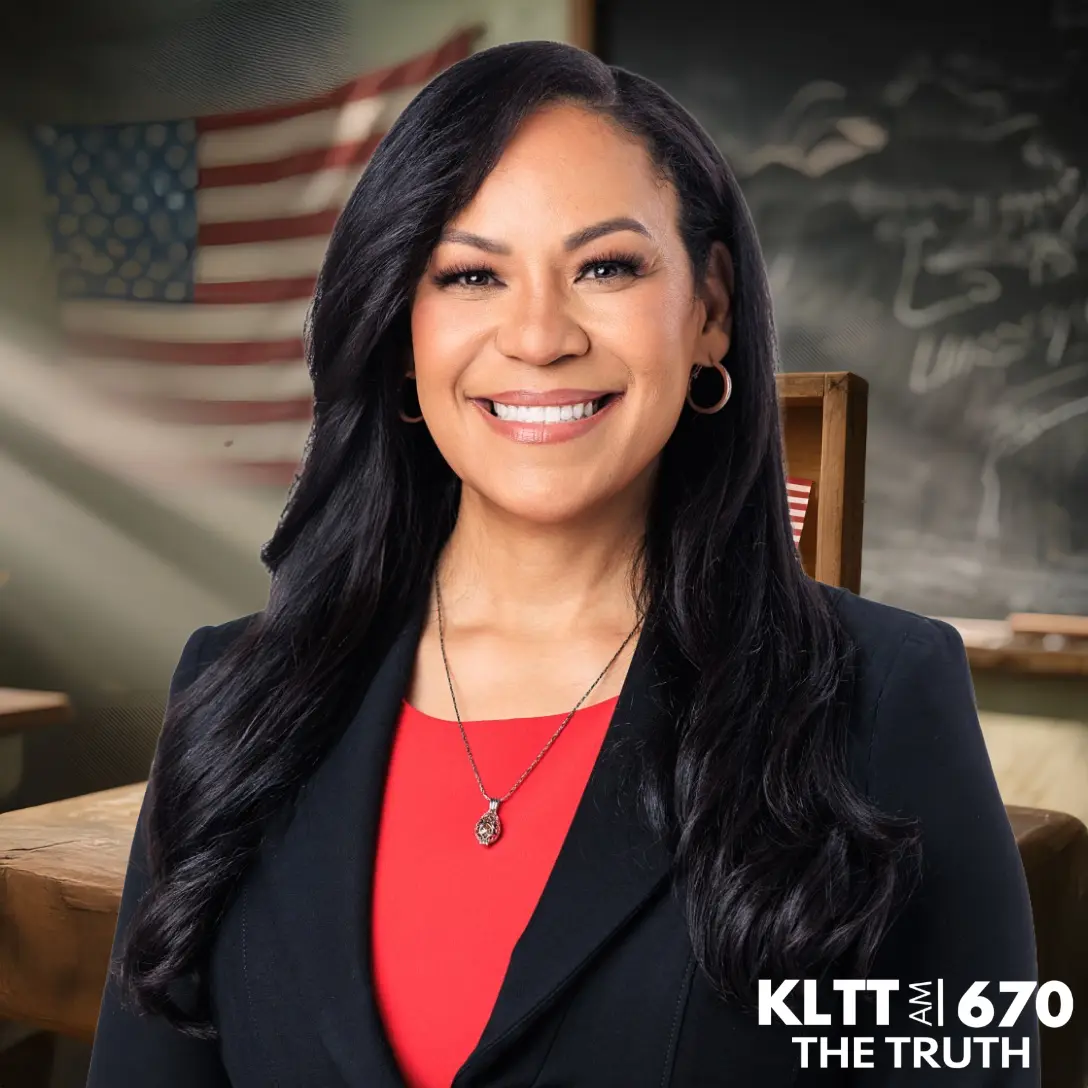
Welcome to Restoring Education in America with Priscilla Rahn. She’s a master educator and author leading the conversation to restore the American mind through wisdom, virtue, and truth.
SPEAKER 01 :
Well, hello, everybody. Welcome to Restoring Education in America. I’m your host, Priscilla Rahn, and I’m so thrilled that you’ve decided to join the conversation today. This fall in 2026, there is a new school that’s opening in the Centennial, Colorado area. It’s called Excalibur Classical Academy. And their mission and vision is restoring America’s heritage by developing servant leaders who are keepers and defenders of the principles of freedom for which our founding fathers pledged their lives, fortunes, and sacred honor. So if you have a young child that’s starting kindergarten through third grade this fall, please go to their website to find out more. It’s ExcaliburClassicalAcademy.org. And if you’re interested in applying for some open positions, send your resume to that same website. But I want to continue having wonderful conversations with colleagues who are in the education space. And so I’m going to bring my friend to the stage who is a fellow leadership program of the Rockies alumni. Welcome, Shannon Whitworth. Hi, Shannon.
SPEAKER 03 :
Hi, thank you for having me on.
SPEAKER 01 :
It’s so neat to be able to talk to you. You live in Milwaukee and you’re doing some wonderful things there. But before we get too far into the conversation, I’m going to share a little bit of your bio with our listeners. Shannon is a nationally respected advocate for education reform, American exceptionalism and self-determination, bringing together lived experience, legal expertise and hands-on leadership. a former commercial litigator and assistant district attorney. He now serves as director of Free Enterprise Academy at Milwaukee Lutheran High School, where he helps economically disadvantaged students learn free market principles, entrepreneurship, and wealth creation within a choice school environment. His work reflects a deep belief that education should empower students not only academically, but culturally and economically. A Michigan native and standout student athlete, Shannon earned a triple major in history, political science, and law and society before graduating from the University of Wisconsin Law School. He has served as a fellow with the Wisconsin Institute for Law and Liberty, sits on the board of the Badger Institute and writes nationally on school choice, inner city culture and financial literacy. A graduate of leadership program of the Rockies and a leader in launching the Great Lakes Leadership Program, Shannon remains deeply invested in restoring education as a pathway to opportunity, responsibility, and renewal in American communities. Shannon’s wife is a French teacher at a local Catholic high school, which their son attends. So you got your hands full, Mr. Shannon.
SPEAKER 03 :
That sounds like a lot.
SPEAKER 01 :
And I had to shrink it down. See, my listeners don’t know. I did my research on you and I was like, you know, you are just a very accomplished individual. And it’s been a pleasure to get to know you this past year and a half as fellow alum. And you make the trek down to Colorado. Several times a year. And I don’t know how you do it all. But here’s my question to you. So what first inspired you to study law and what led you into directing a school? Because those two things are very different.
SPEAKER 03 :
Besides the fact that I had two family members that two cousins that actually graduated from Michigan Law School before I decided to go. I started to understand that even though I had a triple major in college, I didn’t have any practical skills that anybody was willing to pay me for. And so I said, you know what, I need to go back to school so that I can get a skill that somebody is actually willing to, you know, give me money. And it was just kind of a natural progression. That law and society major is sort of an interdisciplinary pre-law at Macalester College in St. Paul, Minnesota. And so I it just kind of funneled me into that area. I never, you know, other than perhaps getting my PhD or something like that. But I like to argue. I figured that was the way I should go.
SPEAKER 01 :
Wow. Okay. So how does teaching free enterprise and entrepreneurship change the mindsets of students who’ve never been exposed to those ideas before?
SPEAKER 03 :
Well, that’s just it, right? I mean, I teach at an inner city school. 97% of the students are inner city, economically disadvantaged Black kids who attend the school on a school choice voucher. And in these neighborhoods and just in general, the culture has turned against capitalism. They don’t even know what capitalism is, but they’ve been told it’s bad. and that it’s not working for the little guy and that there’s no way that they’re going to be able to work their way out of their present circumstances. And so when you provide them with an alternative vision and show them that their destinies are in their own hands, their destinies are a product of the choices that they make, you see the light come on. And, you know, we’ve had students tell us I thought that the only way I was gonna be able to make money in this world was to sell drugs or something like that. Now I can see a legitimate way of wealth creation.
SPEAKER 01 :
Wow, or become a rap singer or NBA star or something like that, right?
SPEAKER 03 :
Not a lot of people, you know, either make it or it has jobs that have a long shelf life. But you provide them with an opportunity for something better. You show them how it can be done by them. You know, because I tell my students, whoever controls your money controls you. And so when they see that they can be the master of their own destinies, they really kind of perk up.
SPEAKER 01 :
So this is a conversation I know you’ve probably had many times within the Black community in general, not just with students, but with adults who are anti-capitalist and they think it’s bad. How would you define what capitalism is?
SPEAKER 03 :
Capitalism is what happens when the people who know their business the best come together and can decide on a price for what to buy and how many. That’s all it is. It’s the government staying out of the economy and letting the people who are in the best position to run things run it. It’s all about freedom. And the buyer and the seller are free to decide how much they’re going to make, how much they’re going to buy, when they’re going to do it. And the system works because of that. It’s all about freedom of choice, freedom of enterprise, government staying out of it, government not taxing it. And when that happens, the system works and creates wealth way more than anything we’ve seen in human history.
SPEAKER 01 :
Right. So this free will, free market exchange, you have a good or service. So when you were an attorney, if you were a good attorney- I’m going to assume you were an excellent attorney. If I wanted to hire you to represent me, then I would be exchanging my capital for your service. Correct. And you could charge whatever you wanted to charge. And if I found value and I had the capital to pay you for your service. then yes, leaving the government out of it and me being willing to hire you. That is capitalism versus if you have a widget or something that you’ve made that I need. For example, a car. If you’re a car salesman, I could freely come to you. I could pick amongst many different kinds of cars. The government is not in the business of making cars. So I can choose. I decided to choose a Hyundai because they have the best 100,000 mile range. They’ve improved the making of the car so that I could choose to buy that car versus a Toyota. And this concept of free market, free trade, a lot of our young people and a lot of our adults don’t really understand. They think it’s just about you making money and making a profit. But you can’t make money if there’s not something that’s traded of value. So when you talk about, let’s switch to American exceptionalism. How do we teach that concept honestly and effectively in modern classrooms where students really don’t understand this concept?
SPEAKER 03 :
Sure. I teach criminal justice this semester, and one of the things I did when they asked me to teach it is I revised it to say, well, you know, I don’t understand how you can learn criminal justice in our unique system of criminal justice if you don’t understand the Declaration of Independence and the US Constitution. teaching the students that that freedom is outlined in those documents that god has given us these freedoms and the government is not allowed to take them away it it resonates with them did i answer your question it’s um God gives the right, the government protects the right, and that’s unique in all of human history. And their birthright under the Constitution is to be free and make those choices.
SPEAKER 01 :
Excellent. You sound like you went through a course and learned all these things. Had it drilled in my head. I know when all of our alumni friends listen to this interview, they’re going to say, well done, Priscilla and Shannon.
SPEAKER 03 :
Yeah, it was really fun, you know, right now we’re still we’re doing presentations for after having gone through the Declaration of Independence and the Bill of Rights, and these kids get it. They really get the concept that you are created with rights. Okay, and they understand the concept of self evident they understand what unalienable means that they cannot be taken away by the government. And that’s gonna lead us into criminal justice, but just that alone, these kids are ahead of 95% of the entire country in that understanding.
SPEAKER 01 :
So Shannon, what led you to this particular population and for becoming the director of this academy? Is it a charter school? Is it a private school?
SPEAKER 03 :
It’s a private school. It’s the oldest, I believe, don’t check me on this, but I believe it’s the oldest Lutheran high school in the nation, if not Wisconsin. What led me there was just a series of really odd happenings. It’s never a coincidence. But I had been branching out from the practice of law. I’d been writing about how do we solve inner city issues? How do we change the economic circumstances for children and in our black community? How do we do all of this stuff? And right at that time, a gentleman by the name of Bill Nazgiewicz, who is the board chair and creator of a financial services company called Heartland Advisors. He was a value investor and he had been all over the country or all over the world, and he had seen poverty everywhere. And he said, you know, I really want to teach people how to use the tools of free enterprise so that they can lift themselves out of poverty. And Bill is a Milwaukee Lutheran graduate. He didn’t want to do it at the college level because by then it was too late. You know, it could be too late. 60% of college freshmen can’t pass a basic financial literacy exam. And I came to it through that. It’s a brand new program that we were starting right from scratch, you know, and they needed somebody who could reach this target demographic and also speak to it with enough knowledge or expertise that I could really drive the point home.
SPEAKER 01 :
So how are the students responding to this type of instruction? It’s really out of the box.
SPEAKER 03 :
They love it. They absolutely love it. I drill it into their heads every day that they are free to make their own choices in life. And those choices will dictate how their life turns out. They don’t hear that a lot. And they really take to it. I don’t, you know, because I’m not a trained teacher. I’m a lawyer. I tend not to sugarcoat things. I try to tell them how things are, but I also leave them room to disagree. I actually give my students extra credit for disagreeing with me. I say, you know, I’m going to tell you what I think, but if you think that the old man is just wrong, do your research. I don’t care how you feel. I want you to go and research the facts. And we’ll have a discussion about it. And I’ll actually give you extra credit because I want them to think. I want them to learn how to come to their own reasoned conclusions. And I think that they appreciate the respect that comes with that, understanding that, you know, we are training them for how this is going to be the moment they walk out of our building.
SPEAKER 01 :
Sounds like you’re not teaching them what to think, Shannon. You’re actually teaching them how to think. That is really smart. And to teach them to go do their research. That was a concept, you know, Charlie Kirk, before he passed, said, hey, if you disagree with me, come to the front, to the microphone. And I thought that was really clever because it sharpened his debate skills and his ability to articulate his viewpoint. I think that’s really a clever thing to do as an educator. And that brings up another point because licensed teachers, if it was so important for teachers to be licensed, then we wouldn’t have the conversation around low outcomes for our children if that was the magic bullet, was a license. And here you are without a teaching license, actually teaching more practical life skills for our students. And I think that’s another concept or debate that we’ve had in leadership program of the Rockies is, You know, is that bureaucracy to make people graduate from college and then have to go get a license, take a test to prove that you’ve learned what you’re supposed to learn?
SPEAKER 03 :
What kills me is I could I couldn’t teach in the Milwaukee public schools. I would not be allowed to. You know, we have another academy that teaches trade skills where retired people who master plumbers, that sort of thing, they come in and they teach. the kids these practical skills. We’re not allowed to do that in the public schools here. And it just blows my mind.
SPEAKER 01 :
Well, just another argument for making common sense decisions when it comes to something like education, the most important thing. I mean, my husband is the same way. He’s a multi Grammy nominated musician, saxophone player with, you know, several number ones on the billboard. He’s not a licensed teacher. So to your point, he wouldn’t be able to teach, but I bring him in to do master classes with my students.
SPEAKER 03 :
Right. You know, it’s lunacy. I, you know, It only goes to show that there is or they’re trying to create a monopoly in education and the students are the ones that lose.
SPEAKER 01 :
So now that you’ve been teaching this financial literacy course, how long have you been teaching this?
SPEAKER 03 :
Since 2018. So that puts us at what, seven years? Yeah.
SPEAKER 01 :
So at what age do you think is a good age for students to start learning this?
SPEAKER 03 :
Well, I mean, this was stuff that used to be taught by parents, right? You would have your discussions about money at the table and the kids would sort of get it by osmosis. That doesn’t happen anymore. Here at Milwaukee Lutheran, the kids, you know, I don’t deal with anything below juniors and seniors. But we are actively working to try and get this to students at a younger time. Milwaukee Lutheran is actually adding a middle school and that starts in person next year. And we’re working on ways that we can start to filter down some of this education, even down there, especially the constitutional principles part. Everything stems from the Declaration of Independence and the Bill of Rights, and that can be taught at the junior high level or middle school. They say middle school here in Wisconsin, but these kids are capable of picking this stuff up at a lot earlier age than a lot of people would assume.
SPEAKER 01 :
If you’re just tuning in, my special guest today is Shannon Whitworth. He’s the director of the Free Enterprise Academy at a Milwaukee Lutheran High School. Isn’t that where they have a lot of cheese?
SPEAKER 03 :
We’ve got our fair amount, cheese and beer.
SPEAKER 01 :
Oh, okay. Do you have a cheese hat that you wear to football games?
SPEAKER 03 :
I used to, my wife made me throw it away.
SPEAKER 01 :
Okay. I know I have a brother-in-law who lives in Oshkosh and it’s the first time I heard of cheese curds and they’re all over the place. The airport there, you know, they sell us like, what is a curd? It just occurred. Does not even sound appetizing to me.
SPEAKER 03 :
It’s a treat, especially when you, when they’re hot and fresh.
SPEAKER 01 :
OK, well, I’ll have to try the next time I’m in your neck of the woods.
SPEAKER 03 :
Absolutely. And Milwaukee is also known for its steakhouses. So you can come and get a steak, give me some curds and you’ll have the full Wisconsin experience.
SPEAKER 01 :
okay so when you’re doing math problems do you use you know do you count cheese curds is that probably one of the the tools that you use no i try to avoid that we’re we’re focused on uh getting these kids as educated as we can in an eight-hour day Okay. Okay. So no, no cheese curd manipulatives. All right. So, so what, what else do you do besides a classroom? Do you open bank accounts for the kids? Are they responsible for like real life accounting and financial literacy?
SPEAKER 03 :
Sure. You know, we try to help these kids as much as humanly possible. As far as outside of the classroom, you know, we’ve got one of our FEA teachers that helps students open up their own Roth IRAs under custodial accounts. We just started an investment club. We had a very generous donation that allowed us to open up an investment club that’s partially student run and they’re using real money in order to educate themselves on how the markets work. You know, we also teach, you know, etiquette. We teach how to how to exist in a professional world. For example, my the first course that I started when I started here in Milwaukee Lutheran was something called the Business Success Course. And it’s an entrepreneurially based course. It’s all about how to start a business from scratch. And the teacher that teaches it now, Dr. David Borst, is the former dean of the School of Business at Concordia University here in Wisconsin. And one of the things that we do, we have something called Dress for Success, and we’ve always been able to find a donor for it. And so upon successful completion of the course, we will outfit our students with a suit. This year it was jackets, but everything that they need in order to understand that how they present themselves as a professional, you know, means something. You know, nobody’s going to hire you with your pants hanging below your behind. and then what we’ll do is we’ll uh take them over to the wisconsin club and have an etiquette lunch and so you know which fork uh is to be used at which time how do you eat soup and you know not spill it on yourself that sort of thing just to give these kids the outside life skills that you know a lot of people aren’t getting i you know we have uh some of our our supporters come to that luncheon and they say you know what i wish i had had this at 18 years old quite frankly i didn’t get this training until i was in my you know early 40s i didn’t know what this was about and so you know i try and tell these kids i’m not only trying to give you a fighting chance i’m trying to give you an advantage And we will do whatever we have to do in order to give them that advantage.
SPEAKER 01 :
That’s beautiful. And you’re right. So necessary that those soft skills. And I talk about this all the time because we don’t grade on this in public schools. We don’t teach this in public schools. They took out home economics, some of those basic life skills. I remember when I was a young teacher, I would drop my car off at the back of the high school and the kids would change my oil for free. Because they were learning how to be a mechanic. And so it was helping teachers, but it was also helping students. And there was plenty of time in the day to teach students these things while they were still learning the basics of math and literacy and science and history. And somewhere we really lost our way in the public education system. But I’m really glad that you are putting your time into working with these students at the private school. And these are inner city students who are accessing this private education. So that’s beautiful.
SPEAKER 03 :
Well, obviously, along with all of that, we are a Christian organization. These kids are in chapel two times a week at least. And the thing I love about the fact that we are continuing to establish a relationship with our Lord and Savior Jesus Christ is I can make the argument that capitalism done correctly is a part of God’s plan, right? Because you don’t get wealthy by doing what you want to do. You get wealthy by serving others. And so that entire concept of how does God want you to do this and fulfill his plan? And, you know, it all kind of dovetails very nicely. And the kids are getting it. That’s the important thing. The kids are actually starting to understand.
SPEAKER 01 :
such another great point about our faith and how that’s intertwined because an acknowledgement of the creator is key to understanding and respecting our constitution and our nation, because I mean, our founding fathers figured it out that our rights come from the creator who we believe is God. And so we can do whatever God has created us to do and do it in a way that’s honoring to him and to each other. So Shannon, I’m really curious about your story of how you came to LPR. How did you hear about it?
SPEAKER 03 :
Well, one of the biggest supporters of my program at Milwaukee Lutheran is the Bradley Foundation, which is based here in Milwaukee. And they are also large supporters of LPR. And so when there was an inkling of an idea to try and expand this to the Midwest, the bradley foundation got involved and so they put on a class at the at the bradley foundation and i was asked to join them and it was actually it was really interesting because i got into an argument with yaron brooke and uh shari the president of lpr who she was sick, so she was attending via Zoom. She called me out. She said, is Shannon Whitworth still here in the room? And I’m looking around like, what did I do? Am I going to be asked to leave? What’s going on? And she said, this is exactly the type of person that we’re looking for. You know, people who are going to take information and they’re going to bat it around and see if it makes sense to them. And also people who can deliver that message to other people. And so it took me a couple of years because at the time my kids were a little bit smaller. I didn’t feel right about picking Excuse me, taking off for a weekend and leaving my wife with our two little rugrats. But, you know, my wife basically said after a couple of years, she said, you know, when you were a practicing attorney, you were gone all the time. She said, if I can if I got to deal with you being gone one weekend a month, you know, we can make that work. And so that’s when I said, you know what? OK, I’m off and running. And it’s truly been one of the most transformative things I’ve ever done.
SPEAKER 01 :
It’s life changing. And I think we should take this opportunity to make a plug for Leadership Program of the Rockies. And in February, there is always an annual retreat at the Broadmoor. It’s amazing. You don’t have to be an alum or a member of LPR to attend the retreat. They have amazing national and international speakers who are there. And it is well, well worth your time. And the people are stellar. The people are just amazing.
SPEAKER 03 :
It’s top notch.
SPEAKER 01 :
So, and it’s just fun. I’m looking forward to it. Me too. The conversations are just like this. They’re rich. They’re engaging. You learn something from somebody and you build relationships that we’re a family. We’re a big family of LPR graduates. So I would encourage people to go to the website. But Shannon, I’m looking at the time and we’ve got to land our plane. I’ve really thoroughly enjoyed having this conversation with you. If people want to support the work that you’re doing, is there a website that they can go to?
SPEAKER 03 :
Yes, it’s called weteachtruth.org. We Teach Truth is the organization, the umbrella organization that owns the high schools and the middle schools. And if they’re interested, they can either go to milwaukeelutheran.org or they can go to weteachtruth.org, which is probably the best place to go. And, you know, thank you if, you know, anybody out there… is willing to support us in our mission. Thank you very much. And every dollar means so much for us.
SPEAKER 01 :
Well, Shannon, thank you for your time. And I look forward to seeing you and to my listeners. Thanks for tuning in. Catch me next time. And remember, educating the mind without the heart is no education. So seek wisdom, cultivate virtue and speak truth.
SPEAKER 02 :
Thanks for tuning in to Restoring Education in America with Priscilla Rahn. Visit PriscillaRahn.com to connect or learn how you can sponsor future episodes to keep this message of faith, freedom, and education on the air.
