
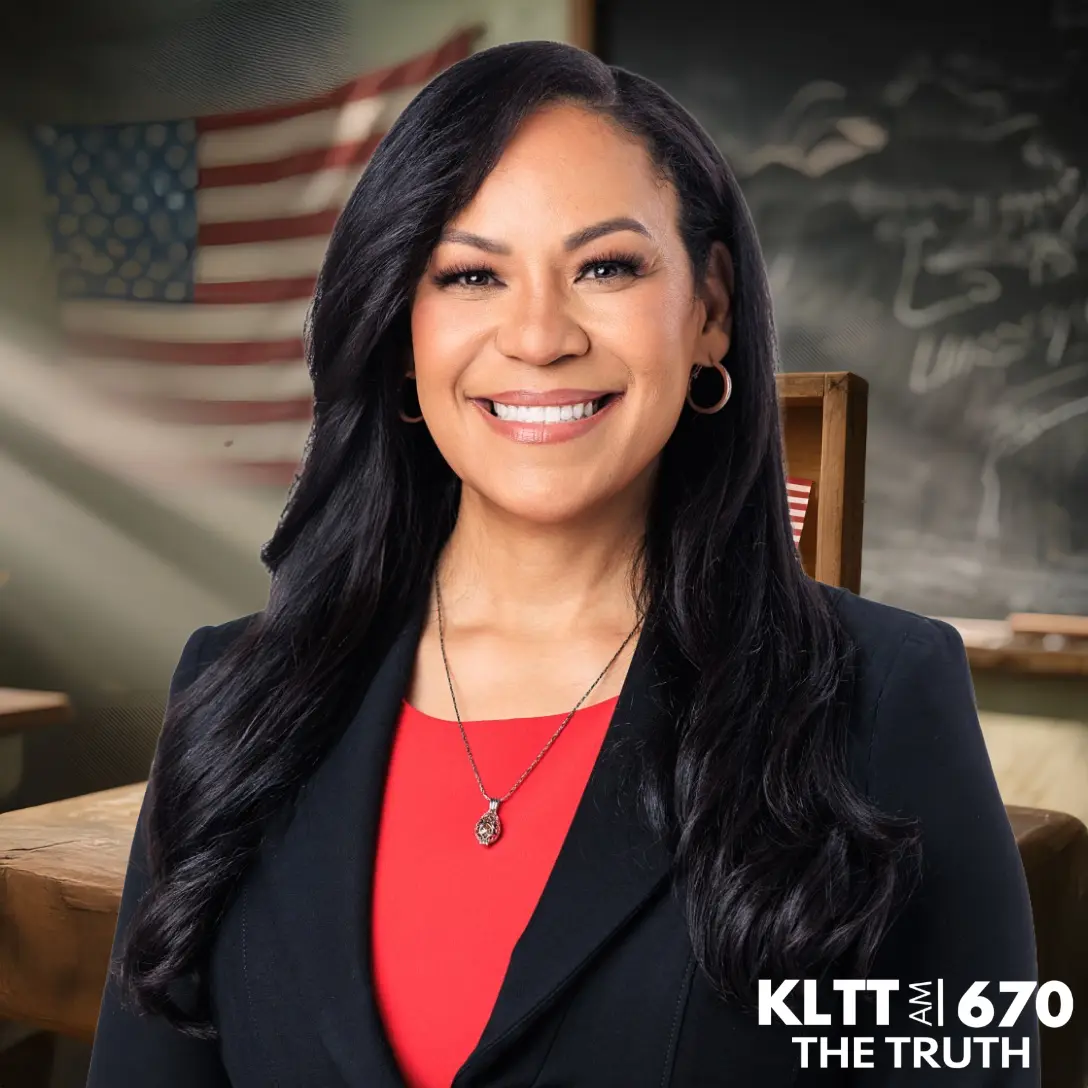
Join Priscilla Rahn on a heartfelt journey to restore education in America. With the nation approaching its 250th anniversary, there’s no better time to discuss the pivotal role of homeschooling and classical education in shaping future citizens. Discover how Excalibur Classical Academy plans to lead this movement in Centennial, Colorado, fostering principles entrusted by the founding fathers.
SPEAKER 01 :
Welcome to Restoring Education in America with Priscilla Rahn. She’s a master educator and author, leading the conversation to restore the American mind through wisdom, virtue, and truth.
SPEAKER 02 :
Well, hello, everybody. Welcome to Restoring Education in America. I’m your host, Priscilla Rahn, and I’m so excited that you’ve decided to join the conversation today. If I haven’t already told you, Happy New Year. And it’s going to be an amazing year because there’s something exciting happening in the Denver metro area. There is a new school that is opening Excalibur Classical Academy. It’s a private tuition-based school that’s opening in Centennial. And their vision and mission are to restore America’s heritage by developing servant leaders who are keepers and defenders of the principles of freedom for which our founding fathers pledged their lives, fortunes, and sacred honor. And what better year to open a new private classical school than in 2026, which is America’s 250th birthday. So I hope… You all are all celebrating the freedom, the Constitution, our founding fathers, loving our country and all the things that it stands for. And remember always, God first, then country. But, you know, keeping in that theme of freedom, we need to promote freedom of education choice. And one of those choices is homeschooling. And I have an amazing guest to bring on the stage who knows all about Christian homeschooling. My special guest. Welcome, Miss Keisha Davis. Hi, Keisha. Hi.
SPEAKER 03 :
Thank you.
SPEAKER 02 :
I am so excited to have this conversation with you. You and I met briefly down at Karis Bible College. And, you know, I was so impressed with you and I held on to your business card this whole time. And I was cleaning out and trying to organize my contacts. And there you were. And I said, oh, I’ve got to have a great conversation with Keisha, especially with all of the changes happening and with President Trump, you know, offering some incentives for parents and school choice. And we talked a little bit offline about Governor Polis opting in to that.
SPEAKER 04 :
Yes, that’s great.
SPEAKER 02 :
But before we get too far into the conversation, Keisha, I want to read your bio for the listeners so they know a little bit more about you. So Keisha Davis is the Outreach Director of Christian Home Educators of Colorado, known as CHEC. She and her husband Brandon homeschooled their children and are delighted to see them pursuing homeschool with the second generation. Keisha’s primary focus is on being a stay-at-home mother who homeschooled her children, but like many homeschool families, involved herself in various ministries and part-time work. Keisha served as the administrative assistant for her church, coordinated many homeschool co-ops, was on the board for a local inner city ministry, and worked in various small business endeavors. She also worked with a biblically-based direct sales company for 13 years. She’ll tell you that redeeming the time for the Lord is important to her. In fact, working for CHECK has felt like a calling. She’s passionate about encouraging families to invest in their children by homeschooling. And I can’t think of anything more important than investing in children.
SPEAKER 04 :
I agree. I totally agree. I know when you ask for a bio, it always feels a little silly to me because I am you know, I was just a mom who was trying to serve the Lord and serve her family. But I hear myself giving that protest and I go, man, that’s the protest that I overcome with families all the time, because our culture has told us being a mom and taking care of your family is not significant. And it’s so not true. It is so important to have parents engaged.
SPEAKER 02 :
You know, I can totally appreciate what you’re saying, because when I was growing up as a young lady, I was indoctrinated to think, oh, you’ve got to graduate from high school, go to college, get a career, get a career, get a career. You’re equal. You’re equal to men and all of this. But there was no room for the Lord to come in and say, Priscilla, I have a design and an order for the family. And you’ve got to keep that in mind because our families are falling apart. And when you have over 50% of marriages ending in divorce, you can see it and how it impacts children and how it impacts families. So for you, Keisha, you know, describe what first led you to homeschooling and how did that decision shape your children and yourself?
SPEAKER 04 :
yeah well ironically you and i both are army brats um and i moved quite a lot with my father in the military and i just remember that first day of school and i have an unusual name you know keisha so it was traumatic a little bit i mean poor me it served me well i actually love being a military child but That was what drove me to homeschool. I wanted consistency. My husband was not working in the military. He worked in corporate America for call centers and we would travel and he’d set up like a call center and then we’d move. And in the first five years of our marriage, we lived in six different states. So I was like, oh, heck no, we are. I know what I’m doing. I’m homeschooling. And the irony is I only moved one more time. So which is so funny. But what starts for homeschooling is so common. A lot of people will start for one reason and they continue for a completely different because I think there’s this idea of what homeschooling is. And then when you get into it, you realize it’s so much more. There’s so many rich rewards in it. So what started is not why I kept going until the end.
SPEAKER 02 :
You know, I remember growing up only in Department of Defense schools and moving around, like you said. And I was really isolated, even though we moved around a lot and we interacted with people from all over the world. We were still a little bit isolated and growing up in a military environment. It’s still more disciplined, I think, because the expectation is you go to school and you do well, if not your father or your mother who’s in the military.
SPEAKER 03 :
Exactly, yes.
SPEAKER 02 :
Get a phone call. But I don’t remember it being as toxic. Like, I don’t remember students being pulled out of class and there being all of this craziness, you know, growing up. Right. And then, of course, we didn’t have cell phones and technology. So that helped. Like, we actually… We’re learning how to interact with other people. But you homeschooled your children and now your children are homeschooling. Has anything changed? Have you seen a difference? So much has changed.
SPEAKER 04 :
Yeah. I think, I mean, I think the ideology of government schooling is where the breakdown of the family started, right? Like there’s this idea that we’ve all sort of bought into that teachers are the experts and parents who don’t know anything and trust the experts, right? We’re the experts, we got it. And that is the ideology that I love to correct and go, no, no, no. God gave you your children. You are totally capable and you can homeschool. Now, I do think that homeschooling is hard. I absolutely think it’s hard, but I also think it’s worth it. And there’s so many ways, there’s so many curriculums, or methods or different, we were talking about this beforehand, different enrichment opportunities so you can get your kids in calculus, which is hilarious because when I talk to a homeschool mom, they’re always like, well, I wasn’t very good at math. What about calculus? And I’m like, your child is four. We’ll get there when we get there. We will get there. It’s so funny, but there’s so many resources and I want to help people find those right resources because certainly we want you to do it well because it is a very difficult thing. But just this idea that we need the experts to tell us how to raise our kids is I think it’s a fallacy. And I think we’re seeing the impact on our society. Like you said, families are being torn apart. The ideologies that are being pushed are not. We’re seeing generations rise up and not believe what their parents taught them and parents are stupefied. Well, why are we surprised? We’ve surrendered them to a totally different ideology. And I love the homeschool movement. I mean, it’s kind of the blessing that came out of COVID is I feel like it’s like the Wizard of Oz. We got to see behind the curtain a little bit. And some parents were like, hey, now, what? What are you teaching my kids? And it lit a fire where some people said, no, no, no, let’s do it. I mean, the name of your book and the name of your radio program podcast, Restoring Education in America, Let’s do it. We can take back our kids because we have we’ve given them away.
SPEAKER 02 :
Absolutely. So if you’re tuning in, my special guest is Keisha Davis. She is a director for the Christian Home Educators of Colorado. And let’s talk about that Christian aspect because, you know, there’s all kinds of reasons why parents homeschool. But that faith element, I really want to unpack with you because for me as a Christian who’s been in the public education system, it has grieved a my soul to see the things that have happened. When I started teaching 32 years ago, the classroom looked different. Kids were different. Families looked different. And then, like you said, when 2020 hit, that’s when we really started exposing what was happening. And, you know, I feel for parents because, again, they got caught into this social expectation of both parents need to work to get ahead. And the expectation is we have to keep up with the Joneses and in order for me to give all of these things to my kids, I have to work. I wanna say to the parents and especially my girlfriends who did make that sacrifice to get out of the workforce, the outside of the home workforce, to focus on their children, none of them have regretted it. None of them have said, oh, this was too much of a sacrifice. They’ve all said, I saved my kids. but for you, why is faith-based instruction so important to forming not just students, but future citizens?
SPEAKER 04 :
Well, and the truth is Priscilla, there really isn’t a neutral education. There is not. So I do, I do believe in Jesus Christ and I work for Christian Home Educators of Colorado, but we serve all families regardless of the reason for homeschooling. So even people who are like I want nothing to do with Jesus. And that’s between them and God. And, you know, I’ll let that be their journey in the process. If their heart is to serve their children and to raise them up in their values and their morals, I want to be able to support them because the fact that we just believe that you can remove. Christianity from education. And really it is just Christianity because all other educations are allowed. And when you look at that, I mean, there’s a whole other thing to unpack about that because there’s really a spiritual reason for that, where it seems like it really is just that faith that’s targeted and comes against opposition. When you do that, though, you’re succeeding and saying, OK, yeah, all right, I’ll accept this other religion. Really, it’s just a worldview of how you you look at how all things are formed. So I think home education gives you. Regardless of your beliefs, it gives you the option of training your children up in that so that they have a foundation of their worldview, the lens that they see everything. And it really does matter. We know it matters. You can see that. And it plays out in our culture. It’s played out in our elections. Like you said, I love the passion that you brought and I read your book. I love how you talk about trying to infuse your faith into your job and how heartbreaking it can be because your hands are tied as a teacher for that simple reason. This whole like separation of church and state, that is a whole other conversation too about it being twisted and distorted. But yeah, it’s a losing battle if you don’t start with the premise that we all have a worldview.
SPEAKER 02 :
Right, and remembering that our founding fathers did have a Christian base for what was in the constitution. They’re all based on biblical principles of freedom and our inalienable rights. Our rights come from the creator and that faith element is really critical and grounding us and keeping that as the North Star because otherwise we become like other nations, you know, and then our constitution and our society starts to fall apart. Keisha, when you started mentoring women, why did you decide that you were going to focus on moms and women? And how does that shape their culture and their values as well?
SPEAKER 04 :
I think moms are the most important key to the culture. Well, And fathers. I don’t want to negate that. You have a whole chapter about fathers in your book that I think is so pivotal into understanding what’s happening in a lot of our culture right now, too. But yeah, moms and families in general, just that core, that’s the first authority that we need to take care of. And if we can raise our children and take that instead of passing the buck, almost a welfare mentality, like somebody else is going to do it for me. It’s not my jurisdiction. When we bring that back home and and there’s personal accountability, that’s when we’re really going to see growth.
SPEAKER 02 :
Don’t you think, okay, so you’ve got the fathers, right? And their role that God has designed for them. And you’ve got moms and the role that God has designed for them. And you’re perfect because the Bible says, you know, older women teach the younger women. And I think that’s so beautiful that you are walking in that biblical calling to say, you know, here are all the things I’ve learned as a wife, as a mother, now as a grandmother, that I can now help and support other young moms as they’re coming up, because that’s going to make, you’re right, a huge impact in the future. If we have more moms saying, I am sure I am capable because go back and reread Proverbs 31. Proverbs 31 woman was not sitting at home saying, I wish I was working. Why do I have to stay home? She just wasn’t incapable of working.
SPEAKER 04 :
I mean, I love the Proverbs 31 because she was industrious. She made things. She gave. She did all those things. So yes, girl, preach.
SPEAKER 02 :
Well, you know, Keisha, what I love to say and remind people is, Remember that one part where her husband was sitting at the gate with a bunch of his friends. And what were they saying to him? They were praising his wife. They were basically saying, man, your wife is amazing. Look at all of the things she’s doing. She’s a strong woman. And I’m like, what’s wrong with that? I don’t see anything wrong with that. But again, we’ve conditioned ourselves in this day and age to think that We have to have so many things that. Oh, true. Right. You know, they don’t come in and there’s nothing more beautiful as Charlie Kirk said, get married, have lots of babies. Right. Yes. Have lots of babies.
SPEAKER 04 :
Minority, the voice of saying, Hey women, you can do this. Hey families, this matters. This is your important thing. job, the most important thing that you can do, we’re kind of becoming the minority in that voice. And well, at the same time, there’s hope. I mean, you opened it. Like I’m excited about 2026 and what’s coming. I am too, because people are going, wait a minute, even the Charlie Kirk thing that you just mentioned, there’s been this Kirk effect that we’re referencing, right? We’re seeing people come back to church. We’re seeing people go, wait, what can I do? Because one person does make a difference. And if you just start with the one thing you can do with raising your kids and teaching them and training them, man, I think that we’ll see a revival. And it will be so fun. And talk about the 250th anniversary of our nation. That is a really, really fantastic thing to celebrate. Yeah.
SPEAKER 02 :
Absolutely. I’m so excited. I’m expecting to see American flags everywhere. You know, I know for me as a teacher, I am programming. I teach music, so I’m programming a patriotic concert. I’m taking students in May on a field trip to Boston, New York and Philadelphia. It’s called Revolutionary Roots Tour. And so they’re going to learn about our history and the founding fathers. So I would just encourage everyone. especially homeschool parents, there are all kinds of resources out there from America 250 is a conservative organization. There’s Constituting America. There’s all kinds of different organizations.
SPEAKER 03 :
They’re great.
SPEAKER 02 :
Yeah. Say that name again.
SPEAKER 03 :
Wall builder, David Barton, yeah.
SPEAKER 02 :
So let’s take advantage of the fact that we have a reason to celebrate our nation and all the beautiful things. Now, I am a descendant of enslaved Africans. I have a lot to celebrate and love about our country. And every time I learn something new about our history, it makes me more proud to be an American because I think, wow, look at what America has done in order to ensure that we are all walking in the design and in the freedom that God has created us to walk in and how we can just live in communion. And anyway, I can go on and on about that.
SPEAKER 04 :
I think it’s good. I think it’s to be proud of the country that we’re in and to be engaged and to not take for granted the liberties that we have. So it’s those freedoms, right? If we take them for granted, we’re going to lose them. So that’s really what I think homeschooling is about too.
SPEAKER 02 :
Well, Keisha, there are a lot of people that have misconceptions about homeschooling and especially women, moms who stay home and they have a stereotype of what kind of women we are when we stay home with our children. When people criticize you about isolating students and things like that, what kind of response do you give when you hear some of this pushback?
SPEAKER 04 :
I love that one, actually. It’s the most common objection is what about socialization? And now all I have to say is what do you… Do you see what’s happening in the public school? I mean, I know of children who hop down the halls and use litter boxes now. Is that the kind of socialization you want your child to have? So it’s kind of laughable that the movement is probably 70s, 80s when it really started modern, but it’s the oldest form of education. And you can put it to rest that homeschooling is the only education model where not the only I guess is kind of the one room schoolhouse model. where you’re with all kinds of different ages, adults, young, and you can really interact with society and not just this artificial 30 children in the same age or the same grade. So yes, I hear that a lot, but I almost don’t like to answer that question because it’s just like, I don’t even want to give any credibility to it because there is no credibility to it. There are weird homeschoolers and there are also weird public schoolers. It’s just weird.
SPEAKER 02 :
So when you look at homeschooling and then you look at the lay of the land on the current education landscape, what do you say to parents who might feel like they’re not qualified to be a homeschool parent?
SPEAKER 04 :
Yeah, well, that’s the biggest lie. That’s the foundational lie, I think. Yes, I think we’ve been indoctrinated, myself included. I went to a public school, and I think it’s just not true. So we are qualified, and what we don’t know, we’ll learn. I mean, if you kind of knew, we don’t know what we don’t know, right? Like, it’s a learning process, and learning is on the continuum. So even as an adult, we continue to learn. There is curriculum that you open up. It tells you what to do. So for the mom who feels ill-equipped, I try to help her find curriculum. We try to find something that’s going to suit her and her family well, because I do think I already said it. I think homeschooling is hard. It’s not an easy thing to do. It is a worthwhile thing to do. And anybody really can do it. I do believe that. I think it’s just a question of finding the right tools, the right curriculum and the right community.
SPEAKER 02 :
So, Keisha, clearly you’re passionate about this path that you’ve chosen and you’re helping so many families on this path as well. When it comes to critical thinking and character and real world readiness, do you feel strongly that homeschooling has the greater advantage in order to develop some of these more softer skills that we’re seeing that employers maybe are looking for?
SPEAKER 04 :
Yeah, I do. There’s a really great book by John Taylor Gatto. He was a teacher from New York City, like Teacher of the Year, won all kinds of awards in, I think, the 90s, 80s, 90s. And he wrote a book called The Underground Education of Modern America, Underground History of Modern Education. I totally got that wrong. But it was really, really fascinating because he’s talking about what created our education system that we’re seeing and who really funded it. It was really to get factory workers and they’ve named it. They’ve outlined it like the receipts are there where they talked about trying to get people to be following the line smart enough that they can work in a factory, not so smart that they would think that below them. So there was this intentional manipulation, even from like school bells that Pavlone had Pavlovian response of having the school bell and keeping them on schedule was part of their plan. I don’t think school has stayed that way. Obviously there are, I think we’ve talked about it. There are great teachers. They’re great principals who have a different interest and a pursuit of of excellence and I love that. But just that initial mindset that the school was created to have these children fit into a box, already the antithesis of that is to take them out and to make them free thinkers, to give them the free reigns to fail, to give them, I think, critical thinking and tests. I mean, we’ve proven it. The average homeschool student scores an average of like 25 points higher on the standardized tests. But more than that, we’re seeing a lot more individualism. We’re seeing a lot more. And the data is proving that. I mean, just look at the structure of what it was supposed to do, and you can see kind of the results. And all of this isn’t to bash the public school. I think i keep saying it i have great friends and you’re one of them who poured your heart and soul into it right but it’s a different paradigm the education model of having that individual lesson plan and that critical thinking and that exploration and that love of learning that’s more delight led that you can foster in a smaller home right
SPEAKER 02 :
Yeah, you mentioned assessments, Keisha. So for a parent who’s curious about homeschooling, who says, well, what happens when my child tries to apply for college? Or what’s the grading system like? What’s the transcript look like? What can you say to that?
SPEAKER 04 :
Yeah, well, nationally, homeschooling is legal in every state. And colleges, I mean, they’re going to be one-off. Every college is going to have their own admission requirements. But they should all accept a home education diploma. And in my experience with my kids, I’ll tell you, nobody, I labored over the transcript. I made sure that they had, I had all my T’s crossed and the I’s dotted. I really did it well, I think. and nobody wanted to see it really the only thing they wanted to see was my children’s sat scores and their act scores to see and their admission that was it um because what we’re seeing is colleges are even pursuing and i don’t have data on it just anecdotal data but we’re seeing admission officers even loving those colleges um to get applications from homeschool students because they’re doing so well with independent learning and I think Boston College, I couldn’t track down the data myself, but they even did a report where their freshman year students, the homeschool students scored 20 percent higher than all the other students, which is again, credibility to homeschooling teaches independence, it teaches that critical thinking, it teaches That desire to learn and how to learn is kind of where we’re at in our world, too, with AI and modern technology. Information is accessible to anybody. I mean, there’s really nobody who can’t get it. Even homeless can access information at the library, right? So it’s not about information. It’s about how do you apply it.
SPEAKER 02 :
You know, in public education, Keisha, they say they teach children how to think. But again, when you compare an average of a public school student to a private or classical or charter, you know, that kind of lane, right? You see there’s more critical thinking. When I talk to a homeschooled child, I see the wheels turning a little bit more. And because it’s not really apples to apples when you’re thinking about what is a state standardized test testing, right? What it is you want people to learn how to do and know and apply these principles and these soft skills. There’s just not a lot of time. I don’t see it happening in the public education system. There’s just too many kids in a class. And we don’t have a generation of teachers who’ve gone through classical education or private education themselves that are massively in the public education system who are able to give. They can’t give what they didn’t have. And they’re not teaching teachers how to teach that way in the college teacher courses. Right.
SPEAKER 04 :
Well, there’s classroom management. There’s discipline issues. There’s all kinds of things that you have to do when you’re in a public school setting just simply because of it being a public school setting in a larger group, right? But you don’t have to do any of that when you’re a homeschool mom. So maybe in some small things when you’re doing co-ops with other people, that’s going to come into play. But generally, it’s you, mom, and the kitchen table, right?
SPEAKER 02 :
Yeah. So, Keisha, in these last few minutes, the show is called Restoring Education in America. In your mind, what do we need to do to restore education in America?
SPEAKER 04 :
Well, I think if you have been doubting yourself and thinking, I can’t do this, don’t believe the lie. Do some research at CHECK. That’s really what we do. We help people. find, I think of myself as the bridge. We take people who have questions and we bridge them to the resources. So there’s more than one way to do it. There’s lots of options. There’s different curriculums and methodologies and how you homeschool, but it is possible. And we want to cheer you on and help you and encourage you along the way. So it’s not for everybody. Sure. It is hard, but you absolutely can do it. And I encourage you to reach out and get some information.
SPEAKER 02 :
Well, thank you, Keisha Davis. Everybody reach out to Christian Home Educators of Colorado for more information. Thanks for tuning in and catch me next time. And remember, educating the mind without the heart is no education. So seek wisdom, cultivate virtue and speak truth.
SPEAKER 01 :
Thanks for tuning in to Restoring Education in America with Priscilla Rahn. Visit PriscillaRahn.com to connect or learn how you can sponsor future episodes to keep this message of faith, freedom, and education on the air.


