


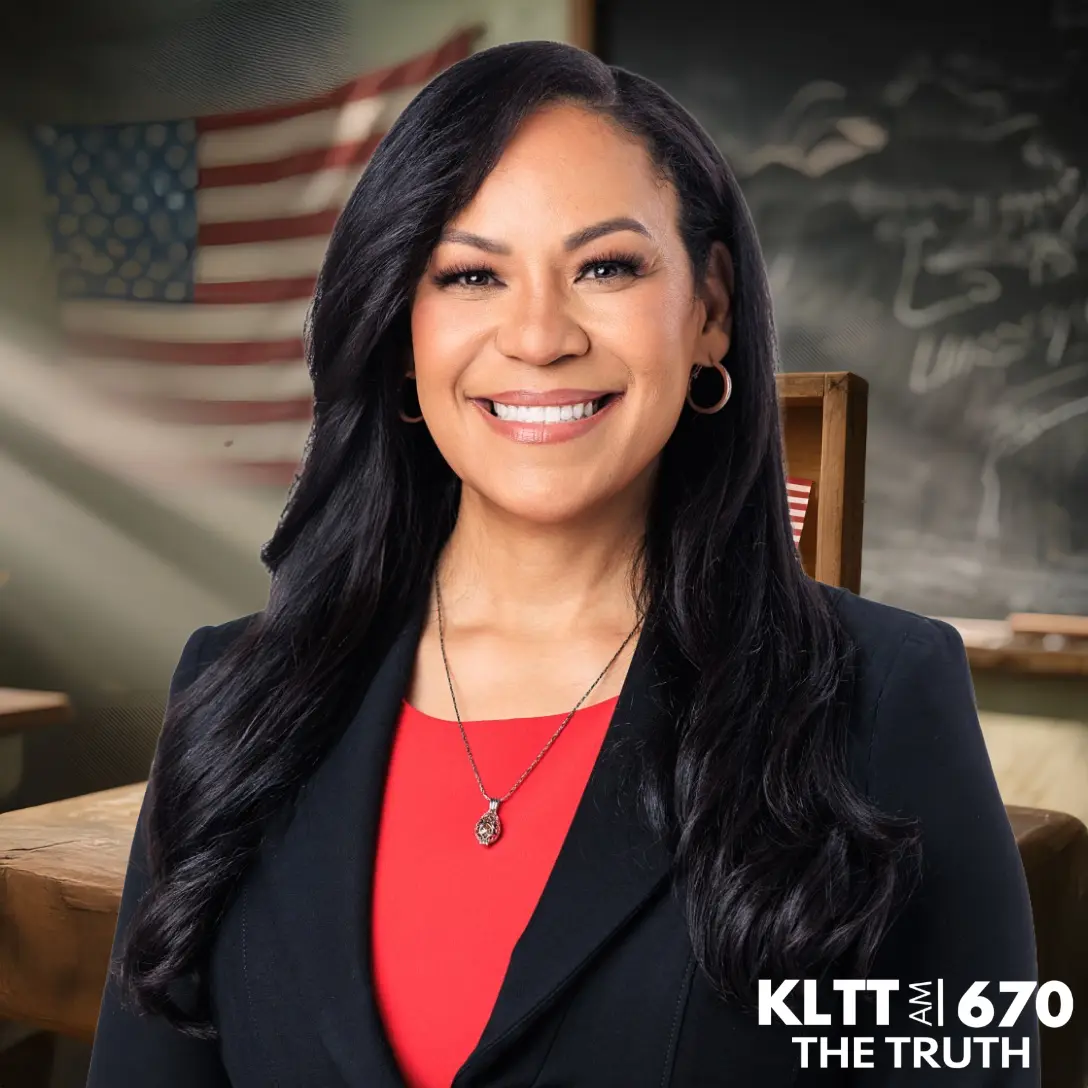
In this thought-provoking episode, Priscilla Rahn shares her journey from the heart of educational activism into the political arena, driven by a desire to reshape educational policies. Discover her encounters with the systemic challenges within public schools, her candid reflections on the influence of capitalism in education, and her passionate stance on school choice. This conversation ignites a deeper understanding of the shifts needed for effective educational reform, urging listeners to rethink the educational narrative and advocate for meaningful change.
SPEAKER 01 :
Welcome to Restoring Education in America with Priscilla Rahn. She’s a master educator and author, leading the conversation to restore the American mind through wisdom, virtue, and truth.
SPEAKER 02 :
Well, hello, everybody. Welcome to Restoring Education in America. I’m Priscilla Rahn, your host, and I’m so excited that you’ve decided to join the conversation today. I am doing another monologue with you today because I feel like there’s more. about my journey getting here that I wanted to share with you, you know, how I really got into politics and basically how I got off the couch. So to go back, I was a member of the teachers union, not just a member. I was very active as a building rep, as a board member. I was the treasurer, eventually became the secretary. I was on the political action committee, which is a separate entity that collects dues that go specifically towards politics and candidates. So I was very, very active. I was trying to advocate for strong public education policies. And you have to know that when we say things like children are indoctrinated in schools, teachers are actually indoctrinated as well. We are taught that public schools are so virtuous and any other education entity outside of that is bad and evil. For example, even charter schools, which are public schools, charter schools are bad. We were told they don’t accept all kids and they make millions of dollars off the backs of kids and What if, you know, a school hires a teacher that’s not licensed and hasn’t gone through all of the bureaucracy? How are those kids going to learn anything? I mean, it was just stuff like that. I’m going to unpack that a little bit. But I remember going to lobby days at the Capitol and trying to talk to legislators or their aid if the legislator was out. about public education policy and I just was getting frustrated because I was learning also that there are strings attached with dollars, especially if they were federal dollars. And I ended up getting on a bunch of committees for Denver Public Schools where we were trying to create new systems and it just felt like it was busy work. I felt like we would do all of this work to try to come up with these fresh new ideas that weren’t actually being implemented or if they were implemented, they were implemented in a way that wasn’t effective. So I ended up meeting a former chair of the Colorado GOP. His name was Steve House and And he was really the one who, he was the first person I would say that I met in politics that was extremely helpful. And he’s the one that encouraged me to get involved because prior to that, even though I had been a registered Republican my entire life, I was never involved in politics. I didn’t go to any caucuses. I didn’t know who my state rep, state senator was. I didn’t know any of these people. And he’s the one who said, you know, Priscilla, you’ve got a lot of great ideas. You’re exactly what the party needs. You should run, try to run for public office. And I did that in 2020. I don’t recommend running for public office during a pandemic, but it was the first time I actually learned about the process of how to get elected and all of the steps. And I found it really fascinating to, I got my name on a ballot for a primary and I was so excited because I never viewed myself as someone who was a politician. I thought, you know, those people are out there. There’s a certain type of person that’s a politician. I’m a teacher. But then I learned really quickly that this is the process. Anybody can run for office. If you want to represent your community and you feel like you have great ideas and you can work with people and you’re a problem solver, then maybe running for some sort of office or commission or board is right for you. And we definitely need people. great people to run. So I did not win my primary. But then after that, Steve said, you know, Priscilla, you should run for state party vice chair. And I was like, you’re crazy. I don’t know these people. These people don’t know me. I don’t know anything about the party. I barely know what a caucus is. And he said, no, you’ve got the right stuff. You should run. And I thought, okay, if you really believe in me, let me do what I do best, which is learn. And so I learned as much as I could. I met as many people as I could. I would write to the delegates. I would call. I would visit meetings, and I would just listen and learn because I had a lot of skills, and I had a lot of ideas that I could bring to the organization, and I had a lot of energy to go out into the community, and this is something that I learned that I There are certain organizations that are in the community and they do very well because they get to know people and they get to know what people are talking about. And that’s something that if you’re going to run for office, you should be a very extroverted type of person who will go out into the community and listen to what people have to say and think of solutions together of how you can make things better. God blessed me, and I was elected to vice chair of the party twice. And I traveled all around the state, and I met so many amazing people, so many folks who were patriotic, who loved their country. And everybody was seeing some of the same things that I was seeing, like, what’s going on with our public education system? Why are we seeing all of these riots? It doesn’t make sense. Like, don’t these elected officials understand the proper role of government? And that’s what led me to applying for and being selected to Leadership Program of the Rockies. It’s a wonderful organization that teaches leaders the proper role of government and not just leaders. The expectation is that we are influencers as well in our sphere of influence, that we could take these founding principles and go forward into the community in a way that our founding fathers originally did. planned for our country to operate. I learned so much. I mean, I would read the Constitution, Federalist Papers, all kinds of books, and learned about what actually is capitalism. Because when you hear this word capitalism, a lot of times the first thing you think is, oh, this is about money and profit. And that’s why I think so many people on the left are opposed to capitalism. They don’t really understand that really what it is, it is a moral framework for freely interacting with someone else, starting with using your mind, because your mind is the ultimate property it’s so powerful because this your mind is where you are creative and you come up with ideas and you make something that is a value or you provide a service that is a value to someone else and then you freely exchange goods and services so if you live in a society where that squashes capitalism and the free market and the free exercise of your ability to choose who you interact with and who you trade with and who you create with, well, that’s not a society that’s going to flourish. And I met so many amazing people, smart people in other fields. And so that was just a little plug for Leadership Program of the Rockies. I suggest that you go to their website and learn a little bit more if you feel like you’re ready to take this next step as an influencer. and to impact what’s going on in our world and in policy because it’s bureaucracy that kills us. So going back to that with teachers, licensed teachers, it was at LPR that I actually was forced to grapple with the question, you know, A, should we force students to go to school and B, should all teachers be required to have a teaching license so in the teachers union i was taught We need to have a public education system because it’s what educates the masses. And we want to have an educated population. We don’t want kids walking around who can’t think and read and write and can’t work and don’t know how to do anything. And we definitely can’t have teachers in the classroom who haven’t gone to school to learn how to become a teacher and pay hundreds of dollars to take a test and who have a license to be a teacher. That’s how I literally thought. And then I started looking at the data and I’m looking at this low proficiency in the core content areas. And I’m looking at our nation’s audits and where it’s dismal. But this has occurred because we have licensed teachers. We have people with master’s degrees and PhDs in central office, all of these educated people. Yet we have failure after failure in our public education system. So I started thinking, well, I guess it doesn’t have anything to do with having a license, does it? But then you look at private schools, smaller school sizes actually do help, obviously, because teachers can give more attention to students, but having a license to teach doesn’t necessarily make you a better teacher or a master teacher. It’s nice to have teachers who have gone through a teaching course to learn how to deliver instruction, But having a teaching license is not the end all be all. I mean, my husband’s a perfect example. He doesn’t have a teaching license, but I’ve watched him give master classes and he is a master at giving master classes. So we can always figure out a way to deliver great instruction. And you know what? With school choice, parents are going to know where to send their kids. Parents are not going to send their kids to a school where learning isn’t happening. And this is why the whole school choice movement is so important because parents should not be held hostage in a failing school. I don’t care what the name of the school is on the outside. It doesn’t matter if it’s a public school, but especially if it’s a public school, Your zip code should not determine whether or not your child is successful or fails. And so this is why I think the money should follow the child. It’s public education dollars, yes, but all of us are paying taxes, property taxes, in order to support educating children. Not educating a building, okay, makes no sense. That money is supposed to be for children to access a high quality education. And we as public educators, it should not matter if a child is getting educated at a public school, private school, charter school, classical, homeschool. It shouldn’t matter. those child’s needs need to be met. And so that’s what I’m advocating for. So something that I started to notice in education was the professional development that went from developing master teachers, teaching us how to differentiate and support students to having a social agenda. Everything was about skin color. Everything was about racism, oppressed and oppressor. And you can’t tell me this wasn’t happening because it definitely was and still is happening. Even though there’s an executive order, banning DEI, school districts have become really creative in how they’ve worked around that to ensure that they still have race-based types of supports and professional development in our schools. Seeing kids through a race lens is the most racist thing you can do. It’s ineffective. It makes you a lazy teacher. It makes you assume all kinds of things, not only about students, but about adults as well. And you know what I always say is, if you wanna become a better teacher, break bread with someone that’s different from you, another adult, like make friends with different people, okay? They don’t have to look like you, but especially if they don’t look like you, go talk to them and find out where their favorite restaurant is, or how they celebrate the holidays, or what their family life was like. Talk to them like a regular human being. Because here’s how someone broke it down to me. They said, if the only time you interact with Black people is when they’re your students, you’re always going to see another Black adult like they’re your student. And I’ve seen this in people where they talk to Black adults like they’re students, like they’re kids, instead of talking to them like they’re a colleague and treating them like they’re intelligent. So you can’t isolate yourself as an educator. You can’t be in a silo. You’ve got to get out. And this is one of the reasons why I love growing up in a military family, because we traveled all the time. I’ve lived and studied all over the world, Korea, Italy, France, England. I’ve taken students on field trips to Australia, China. you know, all over Asia, all over the U.S. And the more you travel and the more you meet people of different cultures, the more you understand them, the more you respect them, the more empathy that you have, and your life becomes more colorful and enriched when you travel and you see the wonders of the world and you try different foods. It’s amazing. But if you are isolated in one type of ecosystem, it’s going to be really challenging for you to understand other people and not make mistakes. And I know people in this day and age are trying to be kinder and They’re trying to not make mistakes by saying something offensive. Well, you know, sometimes we make mistakes when we say things, but we correct it. You know, it’s okay. But I was getting increasingly frustrated with professional development. And I was starting to feel like the professional development was not meeting my needs as a veteran educator. What a first or second year teacher needs is totally different. than what a 15-year teacher needs. And it’s totally different than what a 30-year teacher needs, okay? But when you’re in a big system and you get everything that’s the same, that is not effective professional development. So no wonder our students are not learning. No wonder we have teachers who are leaving the profession and are frustrated and don’t feel like they have the tools to be impactful in their classroom. I was seeing all of these different versions of discipline and discipline matrix that looked good on paper, but they weren’t being implemented with fidelity. And then we started hearing things like, oh, this kid is beating up on this other kid because of their IEP. So since when is it okay for a child to hit another child repeatedly, like daily, and still come back to school and that be an accommodation? That didn’t make any sense. So we were seeing teachers leaving saying, you know what? I can make more money driving Uber or doing something else. I did not sign up for this. I am not going to be cussed out by a student. I am not going to continually watch a student throw desks or bring weapons to school. And they keep getting chance after chance after chance, kind of like in blue states where people are allowed to steal cars multiple times before they get any kind of consequence. By the way, consequences are important. consequences are a part of life. You know, as a public educator, that a child’s frontal lobe is not developed. I have a whole chapter of that in my book, by the way, Restoring Education in America. You can get it on Amazon. I talk about this, the frontal lobe. If you know that children just have to be taught and you’re going to guide them along to make better choices, but there is a line when it comes to safety and you can’t allow one child to disrupt the learning of the other 30 in the classroom. I can’t tell you… in public education how many adults in a building are running around with their walkie-talkies trying to chase down a child who’s disrupting an entire school building and the adults are frantic and frustrated and exhausted and very emotional as well i mean this is a daily thing in public education because children are running the schools instead of the adults running the schools. How did we get here? Well, we’ve become afraid of the parents. Some of these parents will sue the school if you discipline their child or hold them accountable. And it’s to the extreme because, of course, we want parents involved in the school. But you have the extreme where you’re so afraid that parents are going to sue you for keeping a learning environment that is allowing teachers to teach and students to learn. And at some point, if you’re in charge of a school district, you have to put your foot down and say, in our schools – You know, I don’t care if it’s a three strikes and you’re out or something like you just cannot continue to come into a school building and disrupt learning and be unsafe. And I don’t know if that’s that’s I do know this is a legislative issue. Our legislators need to write better laws around how we’re going to operate schools. And now that. The president has written an executive order around ending the Department of Education. Those decisions are coming back to the local level and state level for us to turn this Titanic and do the right thing. But I thought, I’m not going to wait anymore. I’m going to write a book. And when I was thinking about this concept, I was actually motivated in February of 2025 to When President Trump swore in to office and he said, I am going to write an executive order ending DEI and the Department of Education, I thought, you know what? Wow. Finally, this is my time to write a book. And I wanted it to be a professional development book. It is written to teachers from a teacher. It’s 18 chapters, one chapter per week for a semester. So you can read it during your lunch break because I can tell you, I have so many books. They’re so thick. It’s heavy reading and it’s really challenging. And I have only so much time in the day. I get a ton of emails and I’m reading a lot of pedagogy. And sometimes the last thing I want to do is read another book. But I thought what I have to say is important for a young teacher to How can I make it palatable? So you can read a chapter during your lunch break in 15, 20 minutes. And at the end of every chapter, there are a series of reflective questions because a master teacher is not a perfect teacher. A master teacher is a reflective teacher. So one chapter a week, totally doable. At the end, I give you questions to reflect on, pick one and implement it right away. And so then I thought, okay, if someone picked up my book and they only read the first chapter, what’s the most important thing that I can give them? So my first chapter is father figures, the foundation of every classroom. We are living in a time where over 50% of marriages end in divorce. And families that are broken, we can see that. in the data that the children are more likely to drop out of school, commit a crime, live in poverty, have social, emotional problems. There’s all of these negative things that happen statistically when there’s no father in the home. But when there is a father in the home, and that father is operating in the order that God has created for the family, then everybody thrives. Everybody, mom, the kids, the dog, everybody, okay? So when you are a school system though, who does the school typically call first? The moms. And moms have then taken over In that head leadership role. Okay. So this is not, I want to be clear. I’m not devaluing mothers. I’m making a point because we have a lot of strong mothers. We have a lot of single mothers who are doing a great job. But I just realized I was excluding fathers in my early years. I wasn’t talking to dads. I was not including fathers, especially in a divorce situation, but always call mom. Dad was never able to be involved in the raising of their child. And I’m like, I’m actually contributing now. to the breakdown of the family. So now I actually call and email dad first or I include both on an email because I want to make sure that the fathers have the first opportunity to address a behavior problem or an education issue or concern with their child. and elevate them. I want the fathers of my students to feel empowered that they have a voice and they are important as well. And I thought what a fun thing would be to do a dads and donuts day. So one day I went to the store and I bought like three dozen donuts and any dad who was in the drop-off line at school, I’d hand them a donut through the window and with a little note that said, you are appreciated. Thanks for being a great dad. And I can’t tell you how many fathers their faces lit up. One dad said, you totally made my day. They weren’t expecting it because we’re living in a society that has told fathers they’re not important. We as women were told we, you know, women’s rights, right? We can do anything that a man can do. We’re capable of, you know, leading our families. We don’t need a man. Like, this was the stuff. And then when the government came in in the 60s and said, we’re going to incentivize women with children by paying them money not to be married to the father of their children. If you’re a single mom… You don’t need a man anymore. Marry the government. That’s essentially what happened, especially in the Black community, because we saw the data before the civil rights movement, before welfare specifically. There were more intact Black families, very few children in the Black community were born to single parents. Then after that, welfare, we saw more and more women not stay with the father of their children. But we have a moral breakdown too in our society. We have a moral breakdown. And this is what I would say to women. Marry before you carry. You’ve got to do it God’s way. If you want to be blessed and you want your children to be blessed and you want to break generational curses and you want to give your children a fighting chance, Choose wisely, marry, and understand that it is a big sacrifice to be married because you have to be selfless. And so that’s what started my journey in writing this book and to this show. And so I’m looking at the time, you guys. I got to land my plane. I have thoroughly enjoyed talking to you. But catch me next time. And remember. Educating the mind without the heart is no education. So seek wisdom, cultivate virtue and speak truth.
SPEAKER 01 :
Thanks for tuning in to Restoring Education in America with Priscilla Rahn. Visit PriscillaRahn.com to connect or learn how you can sponsor future episodes to keep this message of faith, freedom and education on the air.
