

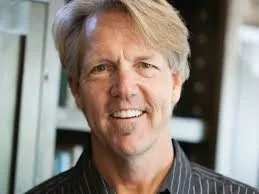

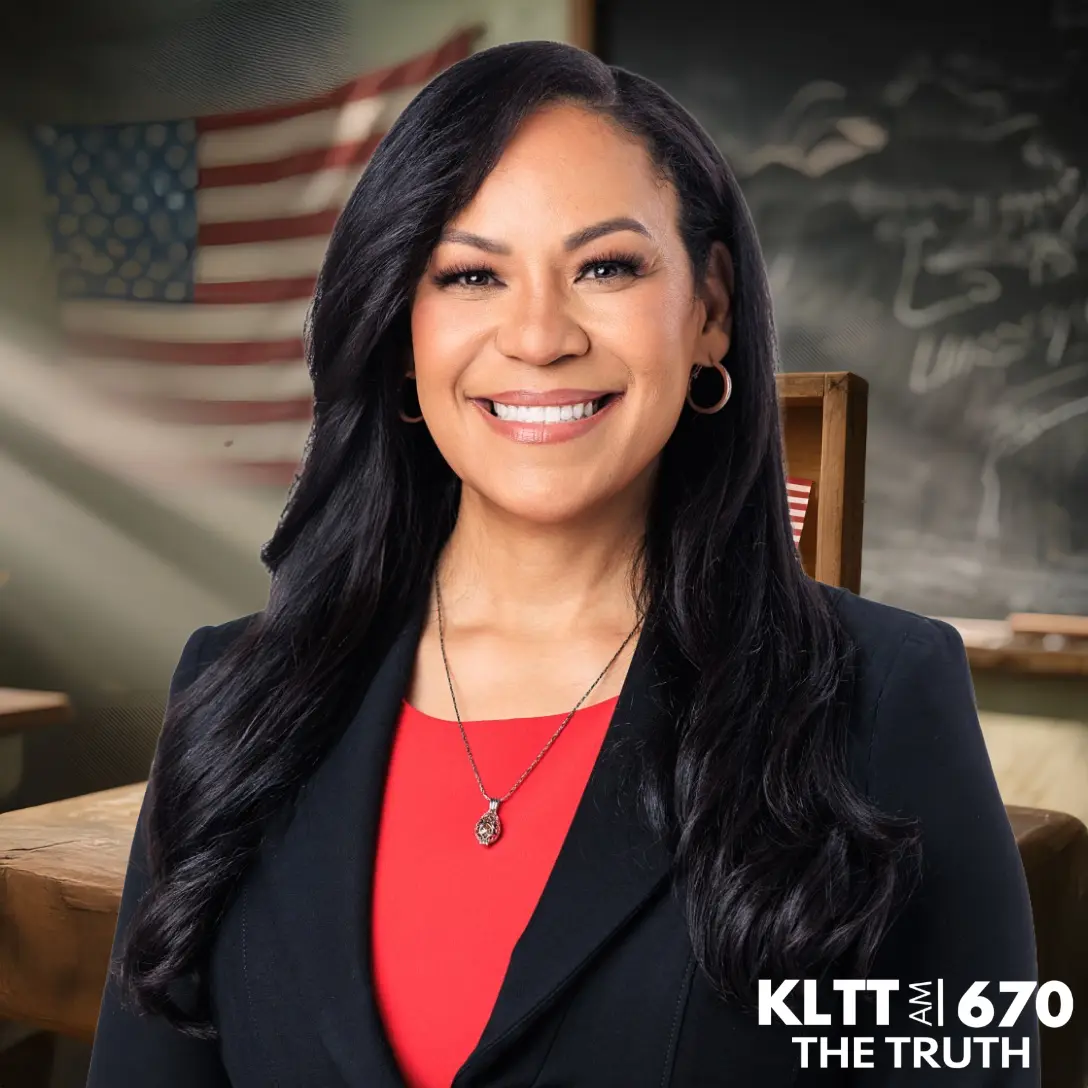
Dive into an engaging dialogue with Congress Greg Lopez as he shares his commitment to education and the preservation of American heritage. As America gears up for its 250th birthday, Lopez discusses the significance of initiatives like Excalibur Classical Academy and the impact of federal tax credits on educational scholarships. This episode unravels the complexities of modern education while addressing broader societal issues ranging from environmental education to the integration of faith in governance.
SPEAKER 02 :
Welcome to Restoring Education in America with Priscilla Ron. She’s a master educator and author leading the conversation to restore the American mind through wisdom, virtue, and truth.
SPEAKER 01 :
Well, hello, everybody. Welcome to Restoring Education in America. I’m your host, Priscilla Ron, and I am so thrilled that you’ve decided to join the conversation today. I’m loving 2026 already because, you know, there’s a lot of exciting things happening, one of which is it’s America’s 250th birthday, and I’m learning so much about our country’s history. But also, there is a new school opening this fall called Excalibur Classical Academy. It’s a private school that’s opening in Centennial. And what makes them unique is that they are restoring America’s heritage by developing servant leaders who are keepers and defenders of the principles of freedom for which our founding fathers pledged their lives, fortunes, and sacred honor. And you can learn more about Excalibur Classical Academy at their website, excaliburclassicalacademy.org. They’re opening K through three. So if you want some more information about tuition, scholarships, or their curriculum, please reach out. Well, I’m so excited about our nation’s history because when I think about our founding fathers, I think about Washington, D.C. and our Capitol. And there’s something really amazing about walking in the halls of our Capitol. And my next guest was able to be there and make amazing decisions on behalf of our nation. I’m going to bring my good friend to the stage, Congressman Greg Lopez. Hi, Greg.
SPEAKER 03 :
Hi, Priscilla. How are you doing?
SPEAKER 01 :
I’m great. I am so excited to have a conversation with you. We’ve been friends for several years now, and we were kind of in the trenches when we were running during COVID and being packed in a car and driving around Colorado and trying to meet people. And you have been so involved in politics. But before we get too far into the conversation, I’m going to share a little bit of your bio with our listeners. Okay. Congressman Greg Lopez has served in local, state, and federal roles. He was elected mayor of Parker, Colorado at age 27 and served two terms helping guide the rapidly growing suburban community. After serving as Colorado’s director for the U.S. Small Business Administration from 2008 to 2014, Lopez launched several campaigns for higher office, including bids for governor in 2018 and 2022. In 2024, Congressman Lopez was selected as the Republican nominee in a special election to fill the remainder of Representative Ken Buck’s term representing Colorado’s fourth congressional district. During his time in Congress, he served on the House Budget Committee and the House Committee on Science, Space, and Technology. He has also served as Colorado Director of the US Small Business Administration and as a board member of ACE Scholarships, reflecting his commitment to education and opportunity. Lopez is a US Air Force veteran, a small business owner, and has held leadership roles in the community and business organizations in Colorado. He lives in Elizabeth, Colorado with his wife, Lisa, and they have two adult children. And Greg, I had to shrink down your bio because you’ve done so many amazing things and you’re continuing to do so amazing things in your drive to be a servant leader. So thank you so much for continuing to step up and want to represent Colorado.
SPEAKER 03 :
Oh, you bet. Thank you. You know, that was so nice, your introduction. You know what? And it really is something that I’ve enjoyed doing is helping people throughout my career and being able to make lives better for as many people as I can.
SPEAKER 01 :
Well, Greg, you’ve had experience at every level of government from mayor to Congress. And as you campaign again for Colorado governor, what is your overarching vision for education in our state? And how would you prioritize K-12 education on your first day in office?
SPEAKER 03 :
You know, Priscilla, education is the most precious gift that society and parents can give to their children. You know, I grew up in a very humble home. I don’t come from money, but, you know, my mom always told me, you know, son, go to school, pay attention, stay out of trouble, do your homework. And you will be able to achieve the American dream. And here I sit true example of what American dream. Comes about when you have a good education, you know, and. And so education is the foundation by which we can all live that American dream. And 1 of the 1st things that I want to do as the next governor of Colorado. Is to remind everybody that we must make sure that our children are learning that they’re doing the basics and that we need to give them hope. that they can achieve success. And not everybody’s gonna go to college, not everybody’s going to get that four-year degree, but we need to make sure that they understand that education is really the cornerstone by which they can build their future and really build a family. And so education is dear to heart to me, specifically with the minority kids, those that are struggling, and that’s what I think Colorado needs.
SPEAKER 01 :
So I remember, I have a very special memory of being in D.C., and I had some students who won a national songwriting contest through Constituting America. And we were talking, the adults were talking, and they have an annual, like a little reception for all of the students, and they fly in from different states. And they honor the winners in their different categories. And I remember one of the leaders in the Organization of Constituting America saying, we don’t have a congressman. We would love to have a congressman come so the kids could meet a congressman. And I was like, I could call somebody. And what’s so amazing is you guys are so busy. And I think almost everybody was out. You guys were out of session that particular night. But you were in D.C. and you you dropped everything and you you came for a couple of hours because you were going to and from events. And you said, I’m going to show up for these students in Denver public schools. And not only did you show up, but you also provided a commendation for the students. You gave them a challenge coin and a certificate and you took pictures and you gave this most amazing speech for the students. And so what did that mean to you as a freshman congressman to be able to come and do something like that?
SPEAKER 03 :
You know, Priscilla, when I got your phone call, 1st of all, I was shocked, you know, that you were there, you know, and then you said, Kate, can you come? And, of course, when I asked you about the event. I said, yeah, we’ll come. We’ll definitely drop everything we’re doing. I told my driver, my deputy chief of staff, we will go by and spend some time. Just seeing the smiles of those students and the achievements that they had achieved. It was a big competition. This wasn’t something that was small. Specifically, having all their parents show up in the capital, the nation’s capital, seeing, like you said, history, and they were being a part of it. And it just filled my heart with joy to be able to share just a small moment of that amazing evening with the students. It was more a joy for me than I think it was for the kids.
SPEAKER 01 :
Well, I know they were excited, and it’s a memory that my students will have for the rest of their lives to be able to meet a congressman. And I actually didn’t know that there was such a thing as a commendation. So anybody who’s listening, my guest today is Congressman Greg Lopez. But I always had this thing in my mind that going to Congress, it was such a big thing. You were out of touch, you know, hypothetically. you were supposed to be somebody that was attainable and approachable. But, you know, you’ve got a lot of constituents. But to think that you would say this is something special. So their names will always be in Congress and their achievements was pretty special. So I would say to anybody listening, if you know someone who’s done something amazing, reach out to your congressman because they’ll give you a commendation. But President Trump has proposed a new federal tax credit that would allow individuals to receive a dollar for dollar tax credit up to $1,700 for donating to K-12 scholarship programs with states choosing whether or not to opt in. And I was thrilled to hear that our current governor, Governor Polis, did decide to opt in. He was the first Democrat governor to do so. What’s your reaction to this proposal from a policy standpoint?
SPEAKER 03 :
You know, I think these are the types of policies that really America should be looking at and Congress, because they actually are long lasting and they are the ones that impact lives specifically the next generation of our nation. They’re the leaders, they’re our future. And so when we do policies like this, that. individuals have a long-term vision of what America is going to be. This is really something that I really think the president was very creative in doing, and it helps others, help the small children and those that are going to school to be able to live and achieve that American dream.
SPEAKER 01 :
So Greg, you’ve served on the board of ACE Scholarships, an organization that advances K-12 education freedom by providing need-based scholarships to families, and they can choose the best learning environment for their children. Can you describe why school choice and scholarship programs like ACE are critical in education reform in Colorado and nationally?
SPEAKER 03 :
Yes, you know what? When you have school choice, specifically like the ACE program, it’s a partnership with the parents and the teachers and the students, and they create discipline. But most importantly, Priscilla, is the love of learning, the love of learning that you see in the hallways and you see it in the faces of the children. And the parents are so excited that their children are learning. And you can see that it’s kind of like a breath of fresh air that their kids are anxious to go to school. They don’t want to leave school. You know, they have great friends and they respect their teachers. And this is really what education should be. Sometimes the public school system forgets that they should have an environment by which children love to learn and they love to be around their knowledge and what they’re learning. And I think ACE really captured that.
SPEAKER 01 :
Well, I have been a teacher now, this is 32 years for me, and we went through that whole period of COVID and there was a lot of interruption, obviously, in the education of our children. So according to Colorado’s latest CMS, results across the state, actually proficiency in literacy and math have slowly increased some places at or a little bit above pre-pandemic levels in most grade levels in most subjects. So that’s encouraging, but we’re not quite there yet because in Colorado, 56% of students grades three through eight still don’t meet. expectations in literacy and 64 percent of students in grades three through eight don’t meet expectations in math. So when you look at this data as the next governor of Colorado, what is your role as a governor? Because you’re not actually writing the bills, right? But what can you as a governor do to impact improvement in these areas?
SPEAKER 03 :
You know, 1 of the things it’s concerning, right? Those numbers really are concerning as it pertains to the future. Not only of Colorado, because some of these individuals are going to move across the nation. So we must always evaluate what’s working in the schools and what is not working in the goals. If we have to have a little bit of homework or we got to encourage the parents to participate in allowing their children to understand the curriculum or the homework assignments, I think that’s what we need to do. But as a governor, what I can do is be that voice. be that voice for the parents and the encouragement of the children. You know, when I was mayor, I used to go to the schools and have just visit the kids, answer their questions. And like you said earlier, you know, they were amazed that there was a mayor in their classroom, just having a conversation, just having a conversation and answering questions, you know, and I could tell, you know, sometimes they would ask me, do you have security guards? Do you make a million dollars? You know, that type of stuff. But it was fun. You know, I really enjoyed being in the school. And I think I would be able to work very closely with the State Board of Education, look at the curriculum, and evaluate the results of what it is that we’re doing with our children.
SPEAKER 01 :
So, Greg, you’ve been a business owner for many years. You’ve been on several business boards. What are some of the soft skills that you think students need to have in order to be prepared for the workforce?
SPEAKER 03 :
You know, some of those soft skills is really having that emotional intelligence, right? Being able to kind of see the facial expression, understand that if you’re saying something, and you can tell that perhaps it didn’t go across well, or maybe they’re a little confused that it’s okay to try to re, explain it. It’s okay. you know, to just have a conversation. Look, everybody in business has titles, but ultimately we’re all the same. You know, we all go home, we all eat dinner, we all watch TV, we all like the Broncos. Those soft skills of listening, asking questions for clarity, making sure that you fully understand the expectations that they’re asking. of you, not only around you, but in that conversation. And I think that’s really some of the soft skills that help people achieve the dreams that they want to achieve.
SPEAKER 01 :
So Greg, I want to talk about wolves. Okay. I know you’ve been at the forefront of really trying to solve this problem. Can you talk about some of your legislation and work around solving this wolf problem? And here’s why it ties into education. We’re a big ag state. I know we have a lot of young people. who have grown up on farms in Douglas County, where I live, 4-H is really a big deal. We have young people learning how to take care of animals. That’s their future. And when you see a state where there are wolves coming and destroying your livestock, that’s a big problem. But talk a little bit about some of the work you’ve done.
SPEAKER 03 :
You know, 1 of the things, Priscilla, that I’m a reader, I’d love to read, you know, and some people say, are you really going to read those reports? They’re so boring. You know, they’re so long. But 1 of the things that to your point. The wolf has been brought into Colorado. and it’s been poorly managed. They are basically creating disruption within the ag world. Not only are they eating cows and sheep, but they’re creating disruption with the wildlife. And so one of the things that I did was to sit down, talk to some people and evaluate why is this happening and come to find out that it was because they were poorly being managed. And so I talked to people, I went out and visited farmers and ranchers and talked to them, went to them. so I could get a better understanding of what was going on. And they had faith in me that I would be able to move some things. I wrote some letters as a Congressman, I made some phone calls, and all of a sudden people started paying attention. And right now, as we sit here today, there are no more wolves coming into Colorado until we’re able to resolve these problems with the conflict. And so people are really excited. They’re very appreciative, but there’s always more work to do. But I’m really proud of the fact that I was able to put a pause, a real pause on bringing in more wolves into Colorado.
SPEAKER 01 :
Well, thank you for doing that because I’ve talked to a lot of ranchers around the state. who if they haven’t personally had livestock killed by a wolf, they know a neighbor or someone who has. And so this is really important that, you know, we have to elect a governor who’s going to take care of all of the people in all of the situation. I don’t understand why we would need to, quote unquote, reintroduce wolves. Okay, that’s another show for another time. But to continue with that, like the environmental education, and do you see a role in environmental or outdoor education in Colorado schools? And how do you think that might fit into the broader vision for preparing students for a future workforce?
SPEAKER 03 :
You know, there is a role for that. Look, people need to understand that we’re all interconnected. The ecosystems that’s out there, right? The water, the air, the wildlife, all those types of things. And Colorado has so much to offer. The tapestry, the landscape, the valleys. And so we need to make sure that people understand if we want to maintain Colorado to become the same beautiful state that we found, we need to take care of it. And there is a lot of education and career opportunities that a lot of the students don’t know. They don’t know that they could be a park ranger. They don’t know that they could be out there and be in the open and actually get paid to do it. So I think that is really something that’s important because Colorado is known as an outdoor recreational state. And I think the kids really enjoy being out there. So there is a role for that.
SPEAKER 01 :
So, Congressman, there is this big national problem with recruiting teachers into education in general. Like this is not just the Colorado problem. It’s across the nation. And I saw this news report from another state where they’ve lost a thousand teachers and they’re thinking about passing legislation to students. give every teacher an extra $10,000. It didn’t pass. It was just a lot of money, right? Give every teacher $10,000. And my opinion is that combat pay does not necessarily… equate to having more teachers in the classroom. It doesn’t solve the other problems because what teachers are complaining about are misbehaved students, the work culture and that type of thing. And so we’re starting to see actually an exodus of people from Colorado. We had the mass introduction of people, which is why we got eight Congress people. But now we’re seeing people leaving Colorado, especially more conservative individuals moving to red states. How do we stop the bleeding? As a governor, what is your vision for stopping the bleeding and enticing people to come back to Colorado?
SPEAKER 03 :
Look, 1 of the things that is happening here in the Colorado educational process is that I truly believe the teachers are being handcuffed. They’re not being allowed to be creative and engage with their students. There’s so many outside pressure. So many outside social issues. That are not allowing them to teach the reading and the writing and the math, you know, and they’re overwhelmed. I think if we would just allow the teachers to teach their children. Right? We definitely, we need to respect their pay. We need to increase their pay to the best of our ability, but the work environment, it shouldn’t be so stressful. The teachers put in a lot of hours. A lot of parents don’t really know how many hours a teacher actually puts in every single day. And they care for every one of their students. They care for every single one. And that’s what I talk about the love of learning. And so I’m going to do whatever I can. To make sure that the teachers are appreciated to make sure that teachers know that this governor, this governor knows the struggles and I’m with them. I’m not going to abandon them and we’re going to make their teaching environment. 1, that everybody wants to come into Colorado and do, because not only are they able to teach good, young discipline children, but they get to enjoy the state at the same time.
SPEAKER 01 :
Well, I love that. Yes, because Colorado is a state where young teachers love to come ski. We love the outdoors. We love the hiking and the biking. It’s such a beautiful state, but it’s gotten so expensive. And then, you know, if you’re in a classroom and you don’t feel like you’re making an impact, you know, a lot of young people are finding other careers. Yes. going to. So we definitely need to develop a better atmosphere and culture here so that we can attract more educators for sure. So Greg, with it being America’s 250th birthday, when you think about the founding fathers, they all had a faith element to when they were writing the constitution and and our rights are inalienable. They come from our creator. Talk about how you connect your faith with being an elected official.
SPEAKER 03 :
You know, My governing philosophy is pretty simple. People over politics and do no harm. I try to remind everybody, exercise the golden rule. Just treat others the way you’d like to be treated. And so when I am making decisions or I find myself unsure, I do take time to create some silence, to pause and reflect. And I am a spiritual man, so I do pray. I do ask for guidance. And I think we all need that. I think there are times where we just need a little guidance. And there’s always that little voice inside of us from the very beginning that’s nudging us and urging us to do the right thing. And so I think that’s what the founding fathers were being driven by. There was this internal, unique type of feeling that they knew America was going to be a very special place, that America was going to provide freedom and opportunity to the masses. I don’t think they fully understood the magnitude of what our nation was going to become. But at the same time, you know, and you mentioned it earlier about that new school you know about the constitution and the bill of rights and how they all committed to make sure that they would do whatever they can to make this great nation something we could all be proud of so greg what is burning in your belly to run and you know be the next governor of colorado what’s motivating you know what motivates me priscilla is just wanting to help people look i see everyday individuals struggling you know what it’s it’s tough you just mentioned it the cost of living the cost of food you know affordability uh there’s so much coming in at us that i just want to see what i can do to roll back some of the things that the government has done that is really causing all of these struggles and making sure that people understand what there is a brighter tomorrow our brighter day is in the horizon we have to work hard but we have to make good informed decisions for the betterment of our children because they are the future And so when I walk around and I talk to people, I just love listening to individuals because I know that somewhere out there, that’s a little nugget that they can give me some insights on where I should focus. And I always enjoy being in the schools because that’s where the future is.
SPEAKER 01 :
Well, Congressman Greg Lopez, where can people find out more about your campaign for governor?
SPEAKER 03 :
You know, they can go to my website. It’s greglopez.co, just like colorado.co, greglopez.co. You can learn about how I grew up. You can learn about my background, some of the things that I’ve done. I’m a blessed man. Everything that I’ve done, everything I achieved, I don’t take credit for it. I give it to our Lord and Savior, and I’m always grateful that he’s always with me.
SPEAKER 01 :
Well, Congressman Greg Lopez, candidate for Colorado governor, thank you so much for your generous time. I consider you a friend. Thank you. I know it’s a lot of hard work to run for public office, and you’ve taken a lot of hits and knocks, but you can handle it. That’s right. So to my listeners, thank you so much for tuning in and catch me next time. And remember, educating the mind without the heart is no education. So seek wisdom, cultivate virtue and speak truth.
SPEAKER 02 :
Thanks for tuning in to Restoring Education in America with Priscilla Ron. Visit PriscillaRon.com to connect or learn how you can sponsor future episodes to keep this message of faith, freedom, and education on the air.
