

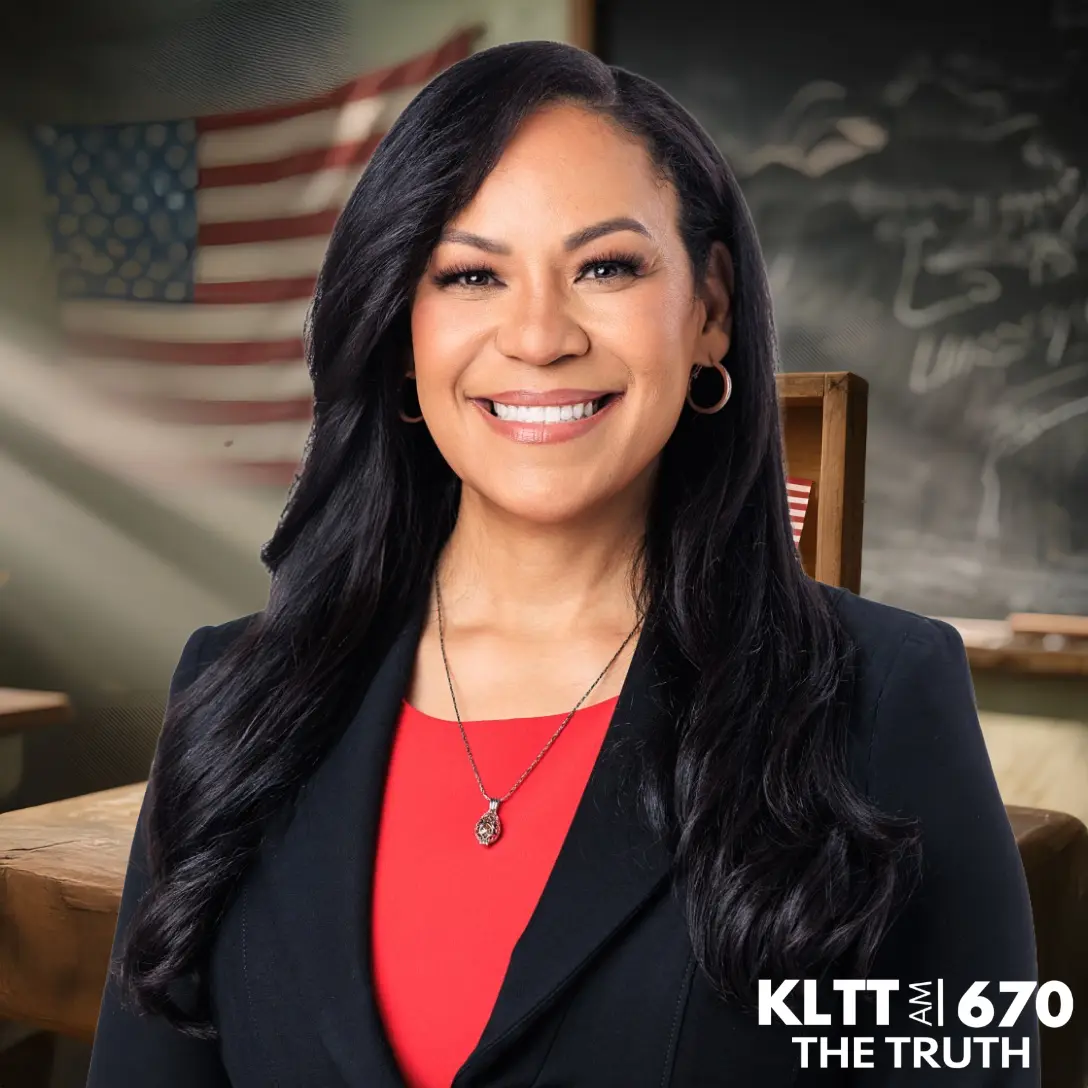
In this enlightening episode, Priscilla Rahn converses with Jill Haffley, a dedicated educator and school board member, about the transformative role of education in civic life. With over 30 years of teaching history and civics, Jill shares her insights on fostering academic excellence, transparency, and community partnerships, alongside personal anecdotes from her involvement with dog training and animal shelters.
SPEAKER 02 :
Welcome to Restoring Education in America with Priscilla Rahn. She’s a master educator and author, leading the conversation to restore the American mind through wisdom, virtue, and truth.
SPEAKER 01 :
Well, hello, everybody. Welcome back to Restoring Education in America. I’m your host, Priscilla Rahn, and I’m so excited that you decided to join the conversation today. I have an amazing guest. She’s a former educator, and she’s on the D11 school board. Welcome to the stage, Ms. Jill Haefeli. Hi, Jill. Hi, Priscilla. Thanks for having me. It’s so great to have this conversation with you. But before we get into it, I’m going to share your bio with the listeners because there might be some people who may not know who you are yet. So Jill is a six time award winning educator. She spent 30 years teaching U.S. history and government, civic engagement, and leadership. Her dedication to excellence earned her top honors, including the Daughters of the American Revolution Outstanding American History Teacher Award, the Veterans of Foreign Wars Citizenship Educator of the Year, and the Colorado Springs Rotary Diamond Award Teacher of the Year. She served as a student council advisor and coached three sports. Her commitment to service extended to organizing meaningful experiences with veterans, and for many years, she led students through the Library of Congress Veterans History Project. As the Vice President of the District 11 Board of Education, Jill has worked to strengthen academic excellence, support educators, champion transparency, and foster strong partnerships with families, staff, and the broader community. Jill has volunteered with multiple local dog rescues and shelters, and she has also been active in her church assisting with yard work and landscaping for fellow parishioners in need. Jill lives in Colorado Springs and is proud to continue her lifelong mission of serving others and making a difference as a candidate for the state legislature. That’s what I’m trying to get out. So Jill is a candidate for the state legislature for House District 16. Welcome, Jill.
SPEAKER 03 :
Thank you very much. Happy to be here.
SPEAKER 01 :
Well, I love the personal thing about the dogs because I was a manager of a doggy daycare at one point. And so when I first started as a manager of a doggy daycare, I was more afraid of the big dogs than I was the little dogs. And I learned really quickly that the bigger dogs were the teddy bears and it were the little dogs that you had to watch out for. What do you find with your work with dogs?
SPEAKER 03 :
Oh, for sure. I’ve actually been working with dogs almost as long as I’ve been teaching them. high school. And at this point now it’s caught up to the amount of time that I taught high school. So about 30 years, I’ve been training dogs, working on obedience for them, helping people fix behavior problems in the home so that they are more inclined to keep their dogs rather than taking them to the shelter or finding them a new home. And yes, it’s been my experience that the smaller dogs pack more of a bite than the bigger ones do. And that’s because the smaller ones, they don’t recognize themselves in a mirror. They see the bigger dog and they think they’re big. And then the bigger dogs look at the little ones and they think they’re little.
SPEAKER 01 :
Well, I have a little dog. I’ve had big dogs and I’ve had little dogs. I currently have a little dog and she thinks it’s her job to make sure she protects the yard and she knows everybody in the neighborhood. And it’s quite funny. But let’s get into some of your work as an educator and being on the school board. But you’ve spent 30 years in the classroom. That’s amazing. I’m in my 32nd year in the classroom.
SPEAKER 03 :
She’s good for you.
SPEAKER 01 :
Thank you. It’s been a long journey. It’s changed a lot. Don’t you think education has changed from the time you started? Completely different now. Your work as a history educator and civics is really outstanding in the fact that you are leveraging that time now being a servant leader. What are some of the things that you learned as a classroom teacher that helped you now in your civic role as an elected official?
SPEAKER 03 :
You know, Kids don’t care what you know unless they know that you care about them. And if you care about them as a human being, they will do just about anything to make you happy. And so my time spent in the classroom was really about getting to know kids, who they were, and then being interested in some of the things that they were interested in. So when they would invite me to their choir concerts or their band concerts or their swim meets or whatever, I made a point to be at those things. because I wanted them to know that I wasn’t just a teacher in the classroom. I was also a human being, and I enjoyed seeing them do their thing. So that’s what made it fun for me. But being a history teacher was, all that really was for me, if I put it like this to the kids, they were more interested. And I told them, history is just stories about people. People’s lives well before ours that did things to make their lives better and sometimes failed at that. learn from it and did things better. And then we’re able to have the kind of life that we have now based on what they did in the past. They’re more relaxed and things tend to be easier for them.
SPEAKER 01 :
You know, we also have something else in common. Well, first, I want to say as a music teacher who teaches band and choir, it’s great to see my colleagues show up for the students. But we also have coaching in common. You were a sports coach and I coached boys and girls tennis and volleyball and basketball. We just know, I think, as educators, how important it is for students to see their teachers outside of the classroom, not just teaching our content, but doing those extracurricular activities with them. I think we get to know our students a little bit more. And those are the things in public education that make a difference in our students’ lives. Is there anything from your time with coaching that you lean on now that you’re also on the school board?
SPEAKER 03 :
Oh, sure. You have to put in the time if you expect to be any good at it. And in my case, if I’m going to do something, I’m going to do it the right way. And that means I’m going to be involved. And so people are going to see me and people are going to hear from me. And that’s really, for me, that’s the only way to do it. So here I am.
SPEAKER 01 :
I think that’s really great that you decided to retire from teaching, but you’re still involved on the school board because we know how important those decisions are, policy decisions. And sometimes, I don’t know if you’ve ever wondered this, but it’s like, who’s making these decisions on our behalf who’s never been in the classroom, who don’t know the day-to-day, and how fortunate are are your students and staff to have someone who’s been in the classroom, in the trenches, who can make some great decisions. What are some things that you’re proud of that you’ve been able to accomplish as a school board member?
SPEAKER 03 :
It’s important for school boards to have a teacher’s voice on that board. Many of the people that are on boards, not necessarily ours, but they don’t have any kind of idea what it means to be in the classroom. And for us, out of seven members, four of us, are teachers, former teachers, current teachers, and one went on to be an administrator. So there’s quite a bit of teacher voice on our school board at this time. What has helped me is, you know, they would, when I first started, I really had no idea what to expect. I thought the school board had a hand in everything and they just don’t. That was one of the biggest things that I had to learn. But when I would be in meetings and they would talk about things that they wanted to do and I would explain to them, yes, that’s a great thing. And this is how it’s going to affect classrooms and teachers and students. Or on the other side, I would say, no, you can’t really do that. And here’s why. Here’s how it’s going to affect classrooms and kids and teachers. So it’s very important for school boards to have a teacher’s voice on that board. One of the things I’m pretty proud of and what I ran on was the removal of cell phones in the classroom. They don’t know the distraction that cell phones have. It’s like being in Las Vegas. If kids don’t turn their phones off, and let’s say you have, I had a class of 35 regularly, and when you’ve got one parent that wants to send their kid a little heart emoji to tell them, hey, I’m thinking of you, I love you, that kind of thing, that’s great, except it’s right in the middle of class, and then you multiply that by another 34 kids, and I’ve got phones going off at all times, and then they get wise, and I don’t let them have their headphones on, and you know, they would grow their hair long. So I’d tell them, let me see your ears and they’d have to pull their hair out so I could see their ears. Some kids actually sewed their earbuds into their beanie hats and they would be able to Bluetooth with their phone that way. So, I mean, the effort that they put in was pretty impressive, but cell phones were a real big problem. And so one of the policies that we passed straight away was the removal of cell phones. Now, how we did that was to use these pouches. I don’t know if I’m a real big fan of that. That wasn’t my decision. They’re called yonder pouches. And they, you know, in theory, they’re pretty great. You put your phone in your pouch, you get to keep your pouch with you. So you don’t, where’s my phone? Where’s my phone? So you get to keep it with you, but it’s magnetized. You can’t get to it unless you’re leaving campus. And so then I’d have kids, a couple of my nephews go to one of the high schools in our district and they contacted me and they said, you know, we can buy magnets on Amazon for just a couple dollars. And I said, yep, you can. And if you want to spend your money that way, you can. But if your teachers or the staff see your cell phone out, you’ve lost your phone and you’re not going to get it back until your mom has to come and get it. And they thought about it and they didn’t think it was worth that. So we’ve seen a lot of creativity with kids. Some of them take old phones, busted phones. They’ve made Lego phones to put in their little pouches. And then they put their cell phone in their back pocket or they put it in their backpack, but still they’re not using it. So in theory, the pouch is working even if they’re not putting them in the pouch. So that’s okay. I’m all right with that as long as they’re not utilizing their phone. They don’t need to be on their screens that long. And I’ll tell you, initially parents were either very happy about that and they blamed us because they didn’t want to be the bad guy. And then kids were not happy about that at all. There were some parents that had some anxiety. One lady in particular said, I can’t get ahold of my kid whenever I want. And I said, well, sure you can. You just have to call the front office. You know, that’s how we did it when we were kids. I was going to be fine.
SPEAKER 01 :
It’s so funny because that’s the same thing I say. I guess I’m just old school. I grew up during a time when we didn’t have cell phones. And I just love that era because we were talking to each other. And I can’t believe how many phone numbers I had memorized in my head. Yes. Yes. I have students who don’t even know their parents’ phone number. I keep telling them, go ahead and just use the office phone in my office. And they say, miss, I don’t know my mom’s phone number. You have to look it up on IC. I need my phone. Right. Exactly. Yeah.
SPEAKER 03 :
Well, I had kids come up to me the first week of school and tell me, thank you. And one girl said, I can breathe again. I don’t have to constantly look at my phone and respond. And I thought, oh, my gosh, to have a kid say I can breathe. That was huge. And so I use that as an example all the time about the positives of getting rid of cell phones in the classroom. One of the other things that we’ve done is we’ve put more teeth to behavior policies so that kids aren’t sent to the office and then come back with a lollipop. I always hated that. We’re putting more effort into middle school education now. So in many cases, middle schools will just pass along a kid, whether or not they show proficiency or not. And then when they get to high school, they’re so unprepared for that. So we’re making middle school more important. And then one of the big things I’m pretty proud of is teachers got a 10% raise this year. Now, when I was teaching, I never got a 10% raise. I mean, we were lucky if we got 2%. And here we’ve given them a 10% raise, which I think is absolutely huge. On top of that, for the kids, we’ve got all these career technical education pieces putting together. Kids are doing internships. They’re utilizing the things that are actually interesting to them that they may want to do later on in life, or maybe not, but they’re still able to test it out and get paid for it. It’s amazing. So the opportunities that are available for kids and the fact that teachers are making a 10% better wage, that’s that’s pretty impressive in my book. And I’m, I’m pretty proud of that.
SPEAKER 01 :
That’s amazing. If you’re just now tuning in, my guest today is Jill Haefeli. She is a school school board member in D 11, and she is also a candidate for house district 16. Jill next year is America’s 250th birthday. I am so excited because I’m very patriotic and I love I’m, I’m, become more of a history lover. Next spring, I’m taking students, eighth graders, on a revolutionary roots tour. We’re going, yeah, we’re, I’m so excited. We’re going to Boston, Philadelphia, and New York. So you can imagine what a great history tour, bringing history to life. Why do you think civic education is so important? You know, it’s a law here in Colorado, before you graduate, you have to have a semester of civics. I’m sure it’s different from classroom to classroom as to what students are learning and the fidelity of what they’re learning. But what does that mean to you, having been a civics educator, to have next year being America’s 250th birthday and the importance of kids just grappling with the beauty of our history?
SPEAKER 03 :
No, America is unique to other countries in that we are under the same form of government that we have been under since the Articles of Confederation were abolished. And that was right at the beginning of the birth of the nation. So that’s something that other countries cannot boast of. And the idea that kids don’t necessarily know what the Bill of Rights are or what their personal rights are, what’s in the Constitution, that was always important to me. So I always hit that very hard. It’s important that kids are taught what it means to be a citizen of the country in which they live. It’s important for them to know from where they came. And so for me, there’s really nothing more important than teaching about really the greatness of this country. Are we perfect? Absolutely not. Of course not. we’re still the best country on the earth. And it’s important for kids to come together and to see like you’re going, are you going to DC? Did you say you’re going to?
SPEAKER 01 :
Oh, we’re not going to DC. We’re going to Boston, New York and Philadelphia.
SPEAKER 03 :
Oh, so Philadelphia is huge. I mean, I grew up a half an hour outside of Philadelphia. So I, I, it was a place that I visited regularly and, and it was a great foundation for me as, as, you know, an American citizen and then later on somebody who taught about this country and taught kids how to be more productive citizens and patriotic and why it’s important to love the country in which you’re in. And if you don’t like some of the things that are happening in here, the great thing about this country is that you can disagree with anybody and not fear or not have to fear any kind of retribution for that. You have personal rights and you need to know what those personal rights are. And so that was that was something that was very important for me to teach to my students, especially kids that were going out and becoming voters almost immediately. I would have sitting congressmen come and visit my class and they would pass out pocket constitutions for kids so they could carry around their own copy of the Constitution in their back pocket. Now, if they did or if they didn’t, you know, that was beside the point. But here, a sitting congressman took the time to come to their class to do that. That’s massive. And even if they didn’t realize it then, right then and there, at some point in their lives later on down the road, they’re going to realize how important that was and what an incredible opportunity that was for them.
SPEAKER 01 :
I was born and grew up in New York City, right? The Big Apple. And every morning we said the pledge. We sang at least two patriotic songs. And I’m surprised that our students don’t know all of the words to the Pledge of Allegiance. We do say the Pledge of Allegiance weekly in my classroom. We don’t even do it over the intercom. Like it’s not a school-wide thing anymore. I’m really sad that our students don’t learn it. And we have a lot of immigrant children who that’s part of their citizenship test. And they need to learn how to say the pledge. But they also don’t know a lot of our traditional songs that make us proud and the national anthem. I love the Olympics. I feel such a sense of pride when I watch the Olympics and I see our flag being raised and I think, We’ve got to raise a generation of young people who are proud to be Americans because there are kids all over the world who are so proud to raise the flag of their country. I feel like we need to change what we’re doing. What do you think, Jill, is, you know, some of the problems facing our public schools in Colorado that we need to change and that we need to address?
SPEAKER 03 :
You know, we always said the pledge every morning, and it was school-wide. We all said it at the same time somebody would come on the intercom, and that was part of our normal day. Now, there were kids that refused to stand. They would refuse to say the pledge. Some of them would put their heads down on their desks. And while that is their First Amendment right to do so, I had a hard time swallowing that. It didn’t sit well with me. that people would do that. And then people that are coming from other countries, you know, we teach in history, American history, that people, when they came to this country, they assimilated into the population. They became Americans. They still had their traditions, their own family traditions, their own country’s traditions, but they became Americans. That’s why they came to America, to have a better life. These days, it’s not so much like that anymore. A lot of people are coming to America and then wanting to bring their own country with them, not just for their own families or for their own personal heritage, but they want everybody else to become members of their former country. And that doesn’t sit well with me either. You’re coming to America. America is the greatest country on this earth. People are dying, literally dying in order to get into this country. We’re pretty special. Get on board. Let’s go.
SPEAKER 01 :
Yeah, my mom is an immigrant from Korea. My husband’s an immigrant from Canada. Both of them talk about their journey, you know, becoming U.S. citizens. But you’re 100 percent right, Jill. If you come to America, you’ve got to be a part of what it means to be an American. If you if you’re going to come here and you hate America, then don’t come here. If you think really where you’re coming from, your original country is superior to America, then make it great where you are. But it’s really scary to see a lot of the things that are happening across the nation where people are being attacked for living freely. and practicing their beliefs, they can’t be safe anymore because people are bringing extreme views to America. And that’s not what it means to be an American, just because we have, as you said, First Amendment rights. doesn’t mean that we can infringe on somebody else’s rights and take their freedom and their peace and their ability to pursue the American dream away from them. So as you’re thinking forward, Jill Haefeli, to this race as a house district representative, going from the classroom to the school board, now taking on this new adventure, What’s motivating you to run for the state house?
SPEAKER 03 :
You know, it was not on my radar to run for the school board. In fact, it was probably the last thing I wanted to do. I wanted to retire and travel and, you know, just do things that I have a list of things I wanted to accomplish after I retired. And that was not one of them. But I heard from a lot of my friends, my close friends, I spoke to my pastor, my family, and they all told me I had to do that. And my brother said to me, how many more people are going to have to tell you to do this before you do it? And immediately my phone rang. And here it was a member of the then school board asking me if I had made up my mind, was I going to run for the board? And so there I was. Actually, I was back east visiting family. I was right in the middle of New Jersey. And I said, yeah, I’ll be back in Colorado in a week or so. and I’ll talk to you then, but I’m inclined to do it. I really felt like I was being led and called into that position. And so I said, okay, I’ll do it. And, uh, so here I am two years into the school board and I got called and texted and, um, people talked to me and asked me if I would consider running for house district 16, uh, because it was becoming, it was going to be, um, available, if you will, there’s going to be, you know, another election and the person that’s holding that seat would not be seeking reelection. And, um, and I said, well, let me think about it. And so I went through the same process and I really felt like I was being led in that direction and called into that position. It is, it was not on my radar. It was not something that I thought that, that I would be doing. Um, but I always had an interest in it. especially since I’ve taught about it. So I’ll tell you though, teaching about running for and holding public office is totally different than actually doing it. So this has been a real pleasure for me.
SPEAKER 01 :
I can just imagine, you know, and that’s a typical teacher. You’re so humble. You’re like, you know, maybe you kind of put yourself into a box of what it was that you could do or wanted to do. And then next thing you know, you have these opportunities in front of you. And I think you’re poised. to be in a leadership position and talking about policy and really trying to serve the community. I can’t think of a better profession that you could be in as a public school teacher and serving young people. and then going to the state legislature to write laws and understanding the proper role of government that’s the biggest problem i have jill with a lot of our legislators because they don’t know the constitution they don’t understand what the proper role of government is they’re very selfish and they’re very self-served and they don’t know how to front face is that something that you’ve seen too i’m actually glad you brought that up um yes it is something that i’ve seen and really
SPEAKER 03 :
Politicians seem to be more about themselves than they are anything else or anybody else. And I’ll tell you the same thing I tell everybody else. I am not a politician. I have no desire to be a politician. I’m a teacher first. And what I want to do is do right by people. So this isn’t about me. It’s about the people. And the people’s voice has gotten lost over the years. And most recently in our state, our rights are being whittled away pretty quickly. And just this past year when certain things were passed and Governor Polis signed these things into law, I mean, my mouth dropped. I couldn’t believe some of them. These are anti-constitutional laws that they’re passing. And I don’t know if they know it or not. I want to hope that they don’t know it, that they’re not deliberately trying to undermine the Constitution. But I’m sure there’s somebody that’s trying to do that. And that’s a problem for me. So. You put me in office, you will not get a politician. You will get somebody that’s there for the people that wants to do things for the people. This isn’t about me.
SPEAKER 01 :
So is the election next November, November of 2026? Correct. What’s your website if people want to learn more about you?
SPEAKER 03 :
So that website is actually being built. I don’t have that information yet, but people can email me if they want. It’s Jill, J-I-L-L, the number four, H-D-16, at gmail.com so jill4hd16 at gmail.com you mentioned your church how does your faith inspire you in your journey as a public servant you know uh i’m i’m a believer i’ve been a believer most of my life i have learned that if the lord calls you to something you say yes sir so um i i want to be obedient To the Lord, and I believe that he’s calling me into this race. For what reason, I don’t know. I mean, I don’t know if there’s specific things that he has in store for me in that position or if it’s just to see if I’ll be obedient to him. It doesn’t matter to me. If that’s what he wants, that’s what I’m going to do.
SPEAKER 01 :
Well, the children and the educators of D11 are very fortunate to have such an inspired and intelligent leader. And they have a great candidate in you. And we’re excited to see how your journey goes, taking that next step. And I would encourage people to reach out to you if they have questions and to look for your website, which I’m sure is forthcoming really soon. And if you have events coming, where you’re speaking, you know, please let us know so we can share it with the public so people can really support the work that you’re doing because you come across as somebody who’s going to listen to the community and do your very best. And that’s exactly what Colorado needs. So I’m sorry, Jill, we’re out of time. We have to land our plane. But to my listeners, thank you so much for listening in. Catch me next time. And remember, educating the mind without the heart is no education. So seek wisdom, cultivate virtue, and speak truth.
SPEAKER 02 :
Thanks for tuning in to Restoring Education in America with Priscilla Rahn. Visit PriscillaRahn.com to connect or learn how you can sponsor future episodes to keep this message of faith, freedom, and education on the air.
