



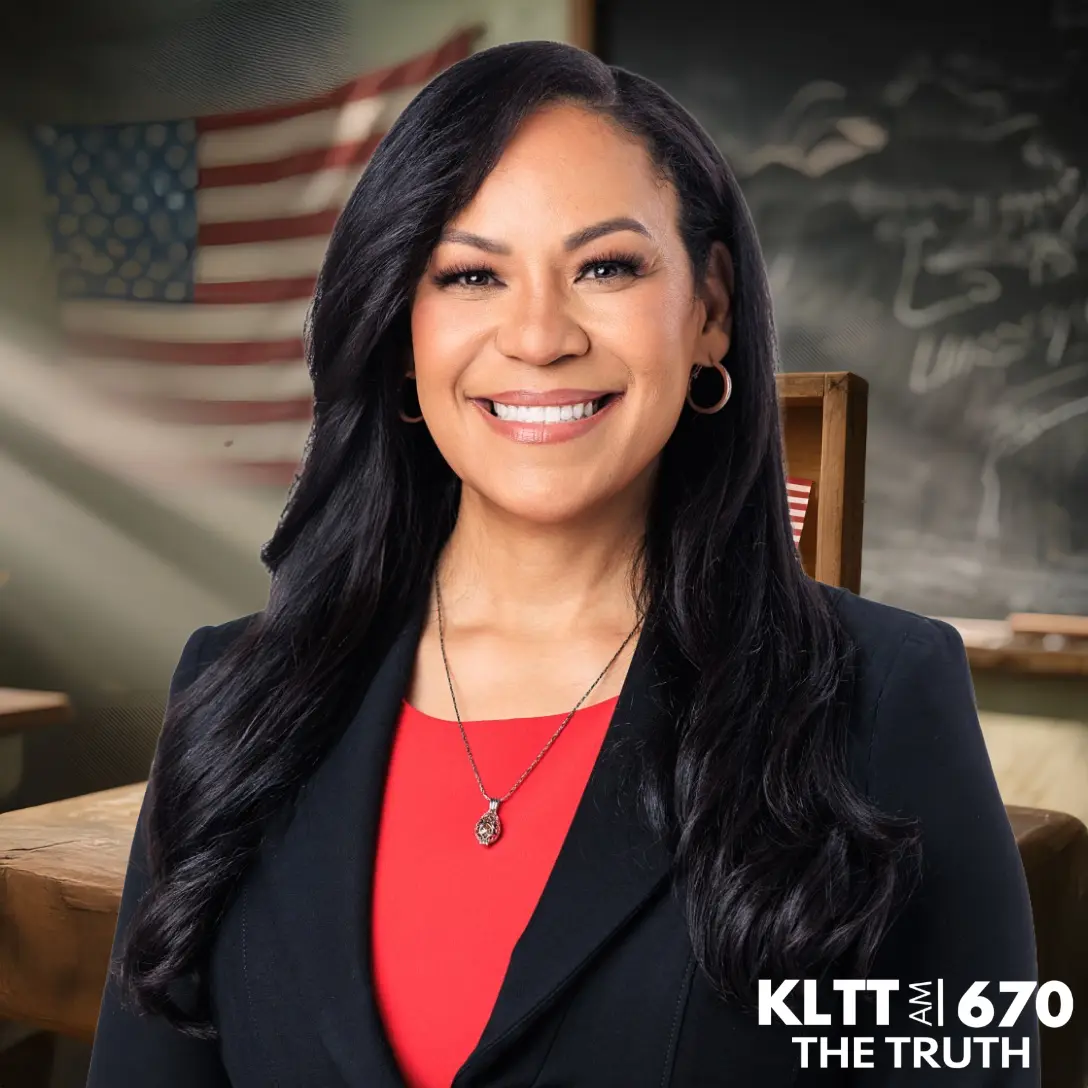
Join Priscilla Rahn in an engaging episode as she converses with Lori Garcia Sander, an esteemed educator and state representative from Colorado. Lori shares her extensive experience in education and her perspectives on the nuances of the state legislature’s involvement in schooling. This episode dives into Lori’s personal history, from her father’s union carpentry to her and her husband’s apple orchard, shedding light on her multifaceted life journey and how it shapes her advocacy for wisdom, virtue, and truth in education.
SPEAKER 01 :
Welcome to Restoring Education in America with Priscilla Rahn. She’s a master educator and author, leading the conversation to restore the American mind through wisdom, virtue, and truth.
SPEAKER 02 :
hello hello everybody welcome to restoring education in america i’m your host priscilla rahn and i’m so excited that you decided to join the conversation today i have my really really dear friend who is an amazing educator and she is the honorable lori garcia sander hi lori Hi. I’m so glad that we are having a conversation. We talk quite a bit because you are an educator and you are in the state legislature here in Colorado. But before we go too much further, I’m going to share your bio with the listeners. Today, my guest is Mrs. Lori Garcia Sander. She is a common sense conservative. former public school teacher and administrator and lifetime resident of Northern Colorado. Lori was raised in LaSalle, Colorado with one older brother and two younger sisters and graduated from Valley High in Gilchrist. Her dad was a union carpenter in Denver and her mom was a homemaker. Lori worked at a bank and traveled through Asia and Europe during her college years and then started employment in teaching and administration in Weld and Larimer counties. Lori is a proud public school educator, having taught kindergarten through 12th grades. And that was an English language acquisition. Lori has served as an administrator at the elementary school and district levels, and she has supervised student teachers throughout her career. Lori married her husband, Will, in 2005, and they live in Eaton and have 198 tree apple orchard. During good years, they sell apples at the local farmer’s market. And Will retired from teaching nine years ago and has a small business selling vintage auto parts. Lori and Will also own property in Red Feather Lakes that they lease for cattle grazing. They love traveling in their vintage cars and Airstream trailers. And that’s just to name a few things that you do. So welcome again. I honestly, I had put you in a box. I thought you were just an educator, quote unquote, just an educator and a state rep, but I had no idea that You were a farmer rancher and all the cool things and vintage cars. That is very, very cool. So what kind of apples do you raise or grow?
SPEAKER 03 :
Actually, so about three quarters of the orchard is Honeycrisp. And then we’ve got Gala, Harrelson, Ruby, Mac, Liberty and Early Fuji. besides the Honeycrisp, so thankful of others.
SPEAKER 02 :
Okay. So I remember years ago, I wanted to make the quote unquote best apple pie. And there are all these theories about which apple makes the best apple pie. Do you have a theory about which apple is the best?
SPEAKER 03 :
So, and I forgot one more is Cortland. And we actually had a gal who stopped by and we have two, two or three Cortland trees. And she’s from Pennsylvania. And she said, growing up, they only used Cortland apples for pies. And she said, I can’t get them here. So we have them shipped out. I have a box shipped out every year from Pennsylvania so that I can get my Cortland apples for pies. So we use them for pollinators for the Honeycrisp. But they’re so pretty. They look like a Sleeping Beauty apple. They’re red with almost a little bit of a purple hue. And they’ve got a little bit of green and a little yellow kind of a little glimmer on them and they’re just so pretty. And when you cut them, the flesh is white and they stay white. They don’t yellow or brown. And so apparently Cortland’s are really good for apple pies. However, my mom, she’s the baker in the family and we use Honeycrisp for everything. We use Honeycrisp for pies, for sauce. We make, at the end of the season, we take, you know, what we have left and we press cider and then we turn a lot of that into hard cider. And Honeycrisp is just a really good all-purpose apple for everything. So what’s the season that you sell? We start picking usually about the third week in August and we start with the Honeycrisp and we end with the Fuji apples and we pick about the beginning of October.
SPEAKER 02 :
OK, so now I know where to where to go to get my my authentic source of apples. OK, so you have taught from kindergarten through 12th grade, including ESL. And then you later served as an administrator and supervised student teachers. You have a uniquely broad perspective. in the system. In your view, what’s the single biggest misconception policymakers might have about what happens in our schools?
SPEAKER 03 :
That’s a good question. You know, it’s funny because the entire time I was a teacher or a principal or working at the district office, people would ask me about what was going on in the legislature. My husband has always volunteered or worked on campaigns. He worked for a congressman for a short while. And so we’ve always been connected and I always paid attention to what policies were coming out of the state and federal legislatures that were affecting education. And teachers would ask me, why do we have to start doing this? Why do we have to stop doing that? And I would always say, write your state legislator, write your federal congressman, because they don’t know what we’re actually doing in schools. They have no concept about what it really looks like to have to manage the policies that I think a lot of times are well-meaning, they’re well-intended. Nobody wants to go and write a law or a policy that’s going to burden teachers or burden families or burden children. Most things come from a really well-intended place, but people that are writing laws don’t actually walk in the shoes of teachers or principals or district administrators, and they don’t know the domino effect of what they think is a simple policy, what that might mean to the actual burden, the paperwork, the enactment, the teacher time, the actual end product of over-testing or You know, too much paperwork, that kind of thing.
SPEAKER 02 :
It’s really refreshing to have an educator down at the state capitol. And thank you again for writing your thoughts for my book, Restoring Education in America. You have some really great thoughts that are on the outside back cover of my book. And I hear this a lot in politics. It’s like, oh, you’re just a teacher. And I say that tongue in cheek because I don’t think people really understand how our brains work and how we think and how organized we are as educators and what it takes to plan and to assess and to track the things that we do. In the last legislative session, you voted for a really incredible bill around financial literacy. It was House Bill 25-1192, which requires high school students to accomplish a certain level in financial literacy. Interestingly enough, in my school district, our students in the middle school were tested in their, they’re called interims. And the teachers were very upset because they said, we don’t even have any curriculum to teach our students financial literacy, but they’re being assessed on it. I mean, this is a really critical thing for our students to learn. Why did you support that bill? Why was that bill important for you?
SPEAKER 03 :
You know, it’s interesting because I was a no vote on that almost the entire time it was working its way through the legislature, primarily because I believe in local control. And I believe that there are a lot of schools that already have in place processes and curriculum for teaching kids financial literacy, starting with Ameritown in fourth grade and fifth grade and in elementary schools. A lot of our schools across the state go to Ameritown or they have Ameritown come through. And really, it teaches kids basic economics. Kids apply for jobs. They run stores and shops and they pay and are paid. And it’s really economics 101 for fourth and fifth graders. You know, I believe that local control is important. the most important thing for our schools in our state, and we’re blessed to have that in Colorado. Not all states have that. So I really was resistant on this idea that we have to have a statewide mandate to teach kids financial literacy. The bill got pared back a lot from what it was initially, meaning that by the time kids graduate, so in 11th or 12th grade, They should have some coursework that is financial literacy, meaning that I think when it’s hard for us to wrap our minds around it, because when we were in school, often in high school, sometimes in middle school, we had home ec or family career in consumer sciences is what home ec became, where we learned how to balance a checkbook and write a budget and you know, kind of economics we learned in math class, you know, in middle school and high school. And a lot of that has kind of fallen to the wayside. You know, I think primarily because we over test and we are focused on reading, writing and basic math skills and science to some degree, we’re not really teaching all of the practical skills anymore. And again, that used to start in middle school. I’m a huge advocate for us as a state, you know, re reenacting some of those things that were like home ec and, and shop skills that were just were basic kind of, now they call it adulting one-on-one. It’s really funny because middle schools and high schools have this class called adulting one-on-one, which is where they are supposed to learn how to read a recipe and sew a button on and balance a checkbook. But a lot of people say, well, we don’t use checkbooks anymore. It was the last time you wrote a check. And so we don’t balance ledgers anymore. And so that financial literacy piece, I think, was really kind of a hard sell for me, thinking a lot of this parents should be responsible for. We have pieces that are already in curriculum. But the fact of the matter is we do have kids that are graduating from high school that don’t have the skills. The frustrating part, I think, as educators, as public school educators, as conservative public educators, is so often we want parents to take the reins on their children’s education. We think parents are their first best educators, and that’s a responsibility. Unfortunately, the government has done a great job of taking that responsibility of parents away from parents. over the last 30, 40 years. And so we are on our third generation of parents that truly don’t know how to parent. We have parents who don’t know how to balance checkbook, who don’t manage their finances, who don’t know how to teach their children financial literacy. And then it’s like, if not them, then who? And, you know, we are in this place of We have kids who graduate from high school, graduate from college, and they don’t understand the implications of taking out student loans and what that means when they have 10, 20, 30 years of loans and what that means when they have to pay those loans back. And how are they going to buy a car or how are they going to afford a house someday? Again, we grew up in a time where our parents taught us a lot of those skills. And I don’t know about you, but I grew up on a lot of beans and rice and potatoes and spaghetti because my parents, my mom was a stay-at-home mom and that was really important to her. That was a priority. We didn’t have brand new cars. We didn’t take a lot of vacations. They managed their money. And those were skills that I learned from my parents, but we have parents now who don’t have those skills. They don’t have them. And so again, if we don’t teach them in school, their parents aren’t going to because they don’t have those skills. So It was a hard sell for me, but at the end of the day, the bill sponsor convinced me that by paring it back to by 11th, 12th grade, if we can condense it to a semester of instruction or if schools can prove that they’ve got enough coursework across some classes that show that students have some financial literacy basics, that that would suffice for their graduation requirement.
SPEAKER 02 :
Yeah, that’s really smart, that analysis that you have, because we don’t want to take the power away from parents or be too intrusive philosophically. We think, what is the proper role of government when it comes to education? And so I think that’s really thoughtful and very practical. I think A lot of parents would say, I would rather my students learn about financial literacy than some of the other things that are creeping into our schools that we really need to watch out for. I know one of the bills I testified on, there are so many state standards. And we don’t have time to teach them all and we don’t get assessed on them. And so from my standpoint, as a classroom teacher, we don’t need any more standards because we’re not even teaching them with fidelity right now. It’s almost criminal. And there’s no way to… enforce the fact that standards aren’t being taught in our districts. But if you’re just now tuning in, my guest today is Representative Lori Garcia-Sander. She’s an educator and a Republican state rep. Now, you live in a district that has a very unique funding process for schools. Tell us about how you fund schools in your county and in your district.
SPEAKER 03 :
So actually, when we were talking earlier, it’s not my district where I live now. It’s five miles to the north. It’s a district where I still work very part time on contract. Last year, about this time, I was speaking with our school superintendent about school funding. And at the time, we were one in 10, one of 10 school districts in the state that were self-funded. Self-funding meaning that we don’t get state funds. We don’t get extra state funds for our students for our per-pupil operating revenue. We get money for our title programs, but not for the PPOR because we have our oil and gas severance tax revenue that is sufficient in our district. that it outweighs that need for the state to backfill and fund our district. Last year at this time, we were one in 10 school districts that were self-funded. This year, there are three school districts that are self-funded. And I tell people all the time, the reason that oil and gas is so important to Colorado is because of that severance tax revenue. when we cut off oil and gas revenues, you know, the plan is by 2030, we’re going to not issue any more permits. When we cut off oil and gas revenue, that means there’s less money, less revenue going into our general fund, which funds our state education programs. You know, to go from 10 fully self-funded school districts that were not reliant on the state funding for to run their basic school programs. To go from 10 to three in one year is a significant impact, not only on the state budget, because now the state has to put in more to the state funding for those extra seven districts, but in the long run, I don’t know how this is going to turn out as far as the severance tax for the next year to come, but if we have the final three school districts that are no longer able to be self-funded, that means we’re a burden on the state funding, the overall general budget funding for our state public ed system. So that’s something a lot of people don’t realize is that connection between oil and gas, the severance tax revenues, and how it affects school districts.
SPEAKER 02 :
That is so critical to know. And I know a lot of people are paying attention to property tax increases. Would that mean if for these districts that are no longer self-funded, does that mean that their property taxes go up as well? Or how does that work?
SPEAKER 03 :
So, yeah, because ultimately the state’s going to have to backfill the money that, you know, that we are no longer going to be funding because our tax revenues, our severance tax revenues are going to go down. State has to backfill those, which means that our local tax, our local property taxes are going to increase in order to help supplement that property tax increase.
SPEAKER 02 :
This is critical for the public to know what bad policies can do that hurts everyday people. Colorado has been known to be an ag and oil and gas state that we’ve lost so many businesses because we’re not friendly to these businesses anymore. And so it does hurt the average everyday, you know, small farmer, right, or homeowner. So, you know, elections have consequences. We desperately need to turn Colorado around so we can attract these businesses back again. I mean, to think that there won’t be any more contracts after a certain point in our state. And we’re so rich in oil and gas and agriculture. People need to wake up is all I’m saying.
SPEAKER 03 :
Yeah, it’s almost like I don’t know what the pain point is going to be for people to really understand. the impact of the policies that have been enacted over the last seven years.
SPEAKER 02 :
Well, you kind of alluded to it going back to the things we learned a long time ago, like home ec. I mean, I learned how to make an apron and I learned how to make ice cream. I learned how to sew and all of these little basic things that are very, very practical. I mean, our students don’t know how to tell time. They don’t know how to write in cursive. But I know that you are a big supporter of career and technical education and having a pipeline for students to these skills, skilled trades. So what role do you think the legislature plays in making sure that we bring that back, you know, with more fidelity?
SPEAKER 03 :
Yeah. You know, I’ll go back to talking about local control. And so, you know, I hate the idea of the legislature enacting anything that’s going to say, you must now teach home ec, you must now teach shop. Because I don’t, I think that’s, we need to incentivize districts to do that. I think potentially taking money from programs that aren’t necessary and perhaps funneling them into incentives for teachers to go into those career fields to teach CTE classes and for schools to provide spaces to do that. I think that that’s a really good possibility. But I think the tides are turning for so long we had, you know, we have to have college and career ready. And there was so much emphasis on college ready. And we want all kids to be able to have the opportunity to go to college. And that means they have to take these classes or those classes. You know, I think the opportunity for us is huge in Colorado because I think kids now are finding they don’t, they’ve heard too much about student debt, student loan debt. And so they’re not exactly graduating high school saying, I want to jump into college. And I always tell parents of high schoolers or middle schoolers, if your child wants to go into a profession where they must have a degree, they want to be an attorney, they want to be a doctor, they want to be a teacher, they want to be an engineer. Those are things that I would encourage them to go the college track, make sure they apply for all the things, all the scholarships, but there are so many opportunities. We have HVAC openings like crazy that you can’t find, uh, you know, an HVAC person, a plumber, uh, an air conditioning service person who’s available, you know, and is, you know, is affordable. They’re all an apprentice is making, you know, $60 an hour for a journeyman, an apprentice who maybe doesn’t even have, um, a college degree, usually a high school degree. They can apprentice, they can journeyman, they can, um, you know, they can find that path. And within a few years, they’re making six figures with zero student loan debt. So, you know, I think incentivizing schools to provide opportunities for kids to investigate and learn about other career paths is really important. I don’t know that, you know, I want the legislature to come out and say, we need standards now so kids have to learn shop and home ec. But I also always will say, you know, I couldn’t operate power tools because I took shop in middle school. And that was a requirement. You know, all of us in middle school, we had to have a semester of shop and a semester of home ec in seventh and eighth grade. All the guys in my seventh and eighth grade classes learned how to read a recipe and sew on a button and learn how to thread a sewing machine. And, you know, all the girls learned how to use a drill press and how to use a lathe and how to use a bandsaw and drills and So those are valuable, practical life skills. And I hope that as schools find that CTE is kind of a wave of a future and we’re looking at high school, well, we could actually, we should be looking at that in middle school. I know a lot of kids that I went to school with in middle school, that’s where they found their passion in shop or home ec. you know, there were people that really got a bang out of accounting, learning how to balance a ledger in seventh grade. And, you know, they went on to be accountants. And we had, you know, guys that were really into the whole shop, the mechanical pieces, the drafting. And they went on to, you know, go into diesel mechanics and, you know, automotive tech kind of jobs and opening up shops of their own. And so, you know, there’s huge opportunities when we When we expose kids to the possibilities of different career tracks in the middle school years. So I hope that we can incentivize that down the road and maybe, like I said, shift some money from some unnecessary programs to incentivize schools to do that.
SPEAKER 02 :
Well, I remember as a young teacher getting my oil changed at the high school where I taught for free because the kids had to learn how to change the oil. We are almost out of time here. We have to land our plane. I know. It’s like the time goes by so fast and we’re having a great conversation. Real quickly, though, in about a minute or less, with President Trump, you know, signing his executive order, ending the Department of Education, what does that mean for you at the state level?
SPEAKER 03 :
It’s so funny because I told people that since I was a baby teacher 30 years ago, I said, I would love if the Department of Education would just go away. I’ve been saying that for 30 years because there’s so much bureaucracy and money that we that we send up to the federal government for education. gets eaten up in so much bureaucracy at the federal department. They send money down to the state department, and because the state department has to manage the federal and state programs, that money gets eaten up in bureaucracy at the state department. It gets sent down to the districts, And districts have to have bureaucracies because they have to report for state and federal money. And so districts have bureaucracy and we have to hire people that have to manage that and money gets eaten up in the bureaucracy there. So by the time it actually gets down to Johnny, my little student, my Johnny or my Juan, who needs ESL in kindergarten, that money that was probably, you know, $10,000 per child that we set up to the federal government. is now like maybe $2,500 for that child’s education. So I’m really okay with the federal department of ed going away. You know, a lot of the federal requirements like special education, like English as a second language, there’s federal law that requires states and schools to provide services. So those services aren’t going to go away. Hopefully that means just that the money’s not going to the federal department of ed, the money’s staying at the state level and the state’s going to manage those programs. send money back to the districts and the schools. And so there’s less bureaucracy that’s eating up that money. Hopefully that means I get more money for my Juan in kindergarten to teach him English language development.
SPEAKER 02 :
Well, there you have it from the Honorable Lori Garcia-Sander. She’s a Colorado State Rep. Thank you so much for your time today and your wisdom. We’ll have to do a part two for sure. Thank you. And so for my listeners, thank you so much for joining me today. Catch me next time. And remember, educating the mind without the heart is no education. So seek wisdom, cultivate virtue, and speak truth.
SPEAKER 01 :
Thanks for tuning in to Restoring Education in America with Priscilla Rahn. Visit PriscillaRahn.com to connect or learn how you can sponsor future episodes to keep this message of faith, freedom, and education on the air.
