



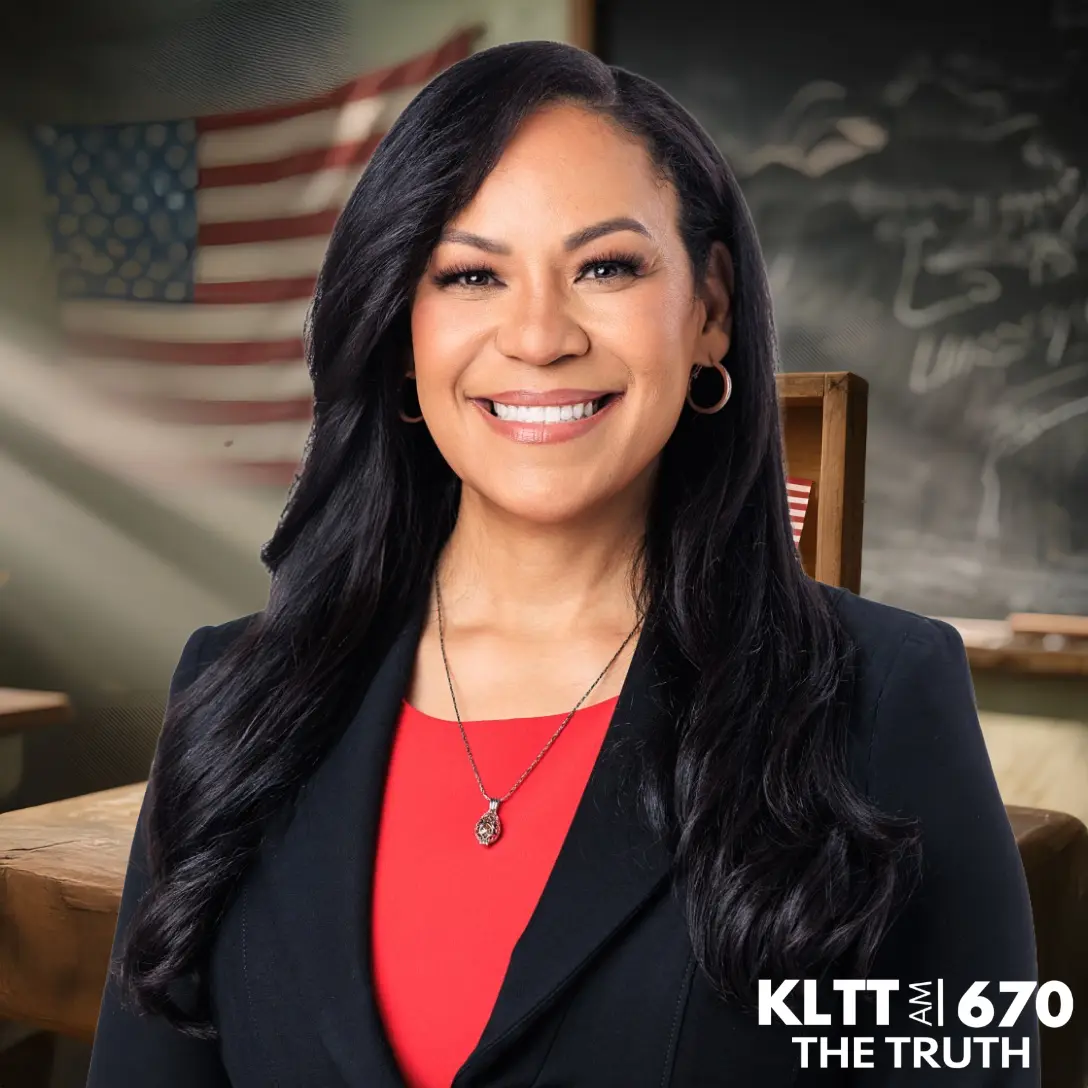
Join Priscilla Rahn as she delves into an inspiring conversation with Tracy Shanklin, a passionate storyteller and creative force behind the YouTube channel ‘Read to Me, Miss Tracy’. Discover how Tracy’s love for reading and storytelling blossomed from her days as a librarian to engaging young minds through vibrant and imaginative tales. Learn about the personal motivations and deep connections that drive her work, fostering a love of literature in children and preserving her grandmother’s legacy.
SPEAKER 01 :
Welcome to Restoring Education in America with Priscilla Rahn. She’s a master educator and author, leading the conversation to restore the American mind through wisdom, virtue, and truth.
SPEAKER 03 :
Well, hello, everybody. Welcome to Restoring Education in America. I’m your host, Priscilla Rahn, and I’m so excited that you’ve decided to join the conversation today. You know, we talk about all things education, and there’s so many great things happening in the community. That’s why I’m so excited to introduce my guest to the stage today. Welcome, Miss Tracy Shanklin. Hi.
SPEAKER 02 :
Hello there. Thank you so much for having me, Priscilla. I’m super excited to talk about something I’m so just passionate about. Yes, very much so.
SPEAKER 03 :
Well, you know, when I first met you, I could tell you had this light. So we want to get into it. But before we go any further, I’m going to share a little bit of your bio with the listeners so they can know a little bit more about you. So Miss Tracy Shanklin is a St. Louis native. And yes, she graduated with a degree in accounting from Southern University in Louisiana. She owns a voiceover company, Voices by Tracy LLC. is a real estate investor and works as an on-air show host, playing jazz, classical R&B, and blues for music enthusiasts on St. Louis’ longest-running FM radio station, WSIE.com. Ms. Tracy is the host of the children’s storytime channel, Read to Me, Ms. Tracy, on YouTube, reading books with themes featuring authors and illustrators of diversity interests. Girl. Girl. And that’s not even the half of it. I know we would be here. It would take a whole half hour. You’re doing such amazing things. When I first met you, you had so much energy and we clicked. It’s like, we’ve been old girlfriends for a long time, but, um, We are starting our friendship. And I was like, when I learned that you are reading to children and you have this education channel, I was like, I definitely need to have you on my show to talk about what you do. You’re a sister in Christ. And we clicked on that. And You love jazz and we just happen to have jazz in common because your radio station plays my husband’s music, Darren Rahn. Plug to the man. You started your channel, Read to Me, Miss Tracy. And so why did you start that? What was the gap that you were seeing?
SPEAKER 02 :
Well, actually, it started from a coworker when I was a librarian. a youth librarian. And when I took the job, I just knew that I love the, I started as a volunteer for the library. I would go in, you know, and I would spend hours at the library utilizing all the resources at the St. Louis Public Library. There’s a St. Louis County Library. And I would see a lot of the adults and I would see the children. They really weren’t necessarily reading And then I would just start helping. And so one of the ladies, she asked me if, you know, she says, hey, you know, there’s a position open. You might be a really good fit for it. So I took a chance. I applied for it and got the job. Now, part of the job as a youth librarian, you literally have story time and you read stories, different themes and things like that that are happening at the library. You come up with content for the story times. And I was a natural at it because it allows me to not only share my passion for reading, especially for there’s a there’s a deeply personal part about that, I’ll tell you, but. when i’m able to bring a book to life and get lap babies paying attention to me and reading a book then you know there’s a gift there that i you know i can’t deny that and so that’s where that came from but i tell you priscilla where um it became personal for me was one of my grandparents on my father’s side. I’m not sure about my grandfather, but I know my grandmother and maybe some of your listeners may have experience with this. whenever we would give grandmother a birthday card or a Christmas card or something like that, she would say, Oh baby, you know, here, why don’t you read that for grandmother? Um, because I can’t find my glasses. Now there were glasses in every bowl and every room, but she could never find her glasses. But that was just a gracious way of saying that I have a second grade education at best. My grandmother was raised in deep Mississippi. So correlation with that, that was probably why. And so it was very important to me once I became an adult. And it clicked one day. You know what? Grandma probably couldn’t read. And so I think about what it must be like living in a world where you can’t read and you’re with this dark, heavy secret. You can’t even read the Bible or and how the word you may be imprisoned because going outside the area, you don’t know the street names or, you know what I mean? So you’re just literally in a stronghold based upon you can’t read and cannot function outside the world. And as we all know, you need to be able to read to hold a job, to move about, to do anything in this world. And my mother is a retired teacher. So It was education was at my root. Absolutely.
SPEAKER 03 :
Wow. That’s such a beautiful story. And you’re living the legacy of your mom and your grandma and paying it forward, I think, in a way. And you have this amazing voice. You have the perfect voice and the perfect personality to bring a story to life. So, Tracy, how do you decide what types of books you’re going to read to the children?
SPEAKER 02 :
That is the hardest part because now, so sometimes it depends on what organization, because I volunteer with Ready Readers and I volunteer with I See Me Bookstore. And then sometimes I even, you know, not now, but the long story is I go in and I may have a theme in my head, like I may do colors or I may do what’s inside of me where it’s. you know, developing emotional. I’ve been finding that there are a lot of books now about character development and I just love those. So I like, and I love the silly ones. So it could be anything. And maybe the teacher, if I’m going into a classroom with ready readers, it may be a certain time of the year, or I’ll ask the teacher, What is your theme? 100 days of school or it could be anything. Substitute teaching. And I’ll go and there’s so many awesome children’s books. And I’ll tell you this. One of the benefits, not only do the lap babies, the two and three-year-olds, the toddlers, who can control a toddler, really? But if you make it interesting for them and you make noises, they tend to listen to you. This is a grown-up. Clearly, they know you’re a grown-up, so they’re already prepared to not listen to you. But if you let them, if you ask them questions, you can engage a young child as well as you get the guardian or the adult, their caregiver involved as well. And when they see mom and dad or aunt or grandma or whoever getting involved, then the kid gets involved. so it makes it fun for the entire audience so i try to pick things that when i read them is engaging the audience and keeping them engrossed in the story i change my voice or i’ll i’ll stop and i say well what do you think about that and if it’s a story about shoes or story about hair especially within the african-american community if there’s always this thing about our hair and can we touch it or you know why does it do that so those are always fun and then i may ask a young person in the audience about well why did you decide to wear your hair in two ponytails why not 17 you know and i’ll just ask a silly question and they giggle but then they like um um well um um and then you just wait you just wait and you uh-huh really And when they, that helps them find their voice and then they become engaged. And sometimes they want to come up and they want to turn the page and by all means here, can you hold the book and grab it by the spine and everything? Like my mother always says, every moment can be a teachable moment.
SPEAKER 03 :
i love that if you’re just now tuning in my special guest today is miss tracy shanklin otherwise known as miss tracy j she’s the founder of read to me miss tracy and she has youtube story time and um she just has this amazing personality and i love how you bring stories to life i’ve been a music educator um but i’ve always watched those elementary teachers have such great character voices I think that really makes a difference in how you bring it to life. Now, do you have acting training or does this come natural to you?
SPEAKER 02 :
I am a natural born ham. I’ve been a ham all my life. I remember my mom calling me ham. And this kind of allows me, I like to tell my audience that this allows me to release my inner goofy. Because either, you know, like adults, they can either take me or leave me. But kids, they like it. So, you know, I make them laugh. We laugh together. I make weird noises. So it’s really just something. I tell you, I remember, and I’m an only child, so I entertain myself a lot. So I remember when I would wash dishes, we had in our kitchen, we had like a big panoramic window in the front. And I would imagine, okay, this is so weird. I would imagine that Michael Jackson was riding in a limousine looking for his next girlfriend. like video queen and the performances that I put on just in case that they may stop outside my window and say, she’s the one we want her.
SPEAKER 03 :
Wait a minute. I think you’re telling on so many people in America right now. Like that’s what we were like, well, Michael Jackson, will you please stop at my house? You know, cause I want to be on one of your videos. Cause I want to be cool.
SPEAKER 02 :
Right. Why would he be on Bristol rock and sit in, in North County, St. Louis and looking in my window. But, but I would like totally entertain myself, um, And I love the animation of the children’s books. I love the colors. the illustrators. And when I do my story times, I talk about what an illustrator is. I’ll say, well, what do you think about this picture? Is this person sad or is this person mad or are they happy? And what would you do in this situation? And it really opens them up because of course they’re going to be kind of shy if there’s first time being there. And another thing is When you allow them to act out, like if there’s a bumpy road and you’re bumping around, oh my gosh, how are you guys being still? And you’re really shaking the sillies out. But I think it really helps them develop a sense of vocabulary. And for the guardians and the parents, when Johnny or Susie says, mommy, can we read Harold and the Purple Crayon? And you’re like, oh, my goodness, this is the four thousand nine hundred and sixty seventh time we’ve read this book. How you make it interesting. And they may not be sitting in your lap stationary. They can be running around playing with the toy. And there you are reading it for the four thousand nine hundred and sixty eighth time. but guarantee you the minute you tell the story out of order they’re like no mom that’s not how you do it you’re supposed to say it and then that’s cognitive i don’t know the educational term but that means that’s because i remember when i was a substitute teacher for kindergarten and also pre-k Try reading the book upside down. They’re watching. No, you put it like this. And then but they don’t know that they’re learning that this is the right way you read left to right and whatnot. And then there are ways in which you’re developing their. How they remember a story, because that was one of the testing things that they would do. I believe it was in kindergarten is they would read a story and then they would have pictures like a puzzle and would tell the story. Have you put the story pictures in the correct order of the story so that you can test them? how they remember things and their ability to retain information. So all of those things are important in the child’s development. And most important, it develops that one-on-one time that you have with one or two children or just one child. that it develops that bonding between you all it does it does that one-on-one something like i’m important enough for them to take the time you know to read to me or let me read you know even if they say the words wrong or out of order but they can look at the pictures and tell okay this is what the person because now they’re thinking they’re developing um Help me, Priscilla. They’re developing.
SPEAKER 03 :
Well, I think they’re developing their creativity because, you know, and their imagination, the way you’re describing how you’re reading to children, Tracy, I, it takes me back to my fifth grade teacher who I specifically remember him because every day he would read to us, not out of a picture book, but out of a story book. And I remember we had to sit there and listen to the story and, It forced me to create and imagine what things look like and how the author would describe certain things to get you into that place. And I just, I loved being read to. And my older sister, when I was… in high school would have me babysit in the summers when I was off from school. And every night you have to read to your niece and that’s how she falls asleep. And so I got into the practice of reading stories to my niece every night for her to go to sleep. And I think it’s such a powerful tool to get young people to imagine, to respond, like you said, and then to create. And that’s how you get young people to say, maybe I can write a story. There it is.
SPEAKER 02 :
Right? There it is. I talk to them about that. And I tell them, use your imagination station. the imagination station. And I say some, you don’t even have to look at Ms. Tracy. You can close your eyes and listen and imagine what it looks like on the pages of your own book. And there’s a story and I can’t think of the name of it right now, but there’s a little boy and he has an older sister. I think it’s called Scribble. It’s got something, the squiggle story or the scribble story. And the little boy doesn’t know how to read, nor does he know how to write, but he knows how to make, he makes, they make a story about a shark on a beach and a beach ball and they have waves and they have a V and then they do the upside down V, which is a bird and then a circle and there’s a soccer ball. And it’s just scribbles, but they tell a story using scribbles. And I was like, you guys can write your own story too. Just because you’re four, just because you’re five, guess what? If you’ve got paper and crayons, you can write your own story. You can be your own illustrator. You got a story to tell.
SPEAKER 03 :
I love it. Tracy Shanklin is my guest today. She’s just an amazing woman, radio personality and founder of Read to Me Miss Tracy. She has a YouTube story time channel, which I think parents, you know, if you’re a very busy parent, they can find you on YouTube. and allow you to read to their children. But what advice would you give to parents who maybe think, I might want to try reading to my children? What are some first steps that you would advise to parents to take ownership of what you’re doing for their children?
SPEAKER 02 :
I would say apps do it. If you are just terrible at it, do it anyway. Do it afraid. You’re not going to sound like Ms. Tracy. I have my own voice, but you have your voice. And the main thing is sometimes you don’t have to be the one to read them a story. Let them read the story to you. That’s number one. Let them read the story to you. You read it a couple of times and then you go, you know what? I would love to hear your voice. I think your voice sounds so sweet to mom’s ears or dad’s ears. And then let them read to you. Another thing is, Even if you can’t sing, it’s so much fun if you sing a silly song.
SPEAKER 03 :
Wait, wait. Okay. So this is a trigger for me as a music teacher because I taught choir. And you meet people who say, I can’t sing. Yes. And I’m like, okay, first of all, can you imagine your mother’s voice calling your name? Of course, we can all hear our mother’s voice. If you can, in your head, hear your mother’s voice, then you can actually, you’re not tone deaf. You can sing. Anyway, I had to say that because I’m sure when people say, oh, I can’t read like you, Miss Tracy J, you’re like, anybody can do it. Anybody can do it.
SPEAKER 02 :
The thing about it is your kid or whatever child that you’re in front of, They’re just thrilled to have someone paying attention to them. And so when you’re reading their favorite story, that is like, you’re so worth it. You are enough. I have time to read this story with you. And then you talk about the things that, you know, well, what do you feel about that? Have you ever experienced? And then that creates that bond that you’re going to need as that kid gets older, because then they’ll feel free. Remember, they may even talk to you through a book. And now you’ve got a book and a reference to kind of explain it or, you know, reference it like potty training. You know, it’s a it’s a funny book, but, you know, it teaches a kid about learning how to go to potty. And it’s OK when you make mistakes. I think there’s a superheroes wear underpants. It’s hilarious. And that’s the other thing. Be OK with making a fool of yourself, because that makes the child feel like, I don’t always have to get everything right. And it relieves the stress off of you. It relieves the stress off of the child. Yeah. Do it. Do it silly.
SPEAKER 03 :
Yeah. As a middle school teacher, I can attest to this, that middle schoolers, they sometimes try to act like they’re too cool for school, but they love when their teachers are silly. They used to carry around a Yoda backpack. I’ve got to find it. And they love that Yoda backpack. So I can attest that. that children respond to silliness. And it’s just how God created them, just the wonder of who they are. Now, Miss Tracy, your faith, I know, is a big part of who you are. I knew it from the moment I met you. the light that just shines out of you and the energy. It’s clear you’re walking in a path where God has called you in your gifts. But explain to my listeners, how does your faith connect with your work in education and in media?
SPEAKER 02 :
Well, it’s just important that I learned to read and I get so much wisdom from reading the word of God. And each and every time I crack open that book, I learn something like I’m literally processing what I learned today. Like, wow, like it’s mind blowing. And that thirst and hunger that I have, It’s not because I’m a nerd. Well, I am a nerd, but it comes from the most high. He gave me that thirst and he gave me that hunger to know him and he reveals himself to me through his word. And he gave me eyes to see, ears to hear, and a heart and a mind to understand. And that is the blessing, Priscilla. When I read that scripture, I said, well, well, doggie. get gone. And I think about all the people who are not afforded the opportunity to read a book or to have a story read to them. And it’s something that’s so very simple that we take for granted. And so I don’t know why he chose me for that. And why he chose me to receive the word in the way that he has chosen to reveal it to me. And if I’m 100% honest about it, it’s kind of burdensome too, because some of the things that I’m learning, I’m unlearning the things that I’ve been taught before. And there’s a true burden in that because not a lot of people He hasn’t given them eyes to see, ears to hear, and a heart and mind to understand. And I was talking with my mother about the very thing because she’s experiencing it too. But nevertheless, through my reading of my scripture and his revelation of who he is to me and what my purpose is for him creating me the goofy way he created me is you’re not of this world. And you will return back to me at some point. And I’m learning that. I’m learning it.
SPEAKER 03 :
That’s beautiful. Well, Tracy, I think we need to have you record the Bible on e-book. Sis, I’m looking at the time and we’ve got to land our plane. I’m so excited that we had a conversation. We’ll have to do more and tell people again where they can find you.
SPEAKER 02 :
Yes. OK, so my my YouTube channel, I’ve got a stack of books over here that I’ve got to read this week. And but you can go to read the number to me, Miss Tracy. And it’s M.S. and it’s T.R.A.C.E.Y. My mother’s extra. So she had to put the E in there. But it’s read to me, Miss Tracy. It’s a story time at YouTube channel. And then you can find me there. Also, I’m also on Voices by Tracy. Wherever there’s a message to be heard, Voices by Tracy will deliver it on any of the social media platforms, as well as read to me, Ms. Tracy, on all the social media platforms.
SPEAKER 03 :
Thank you. Well, thank you again, Tracy Shanklin. And to my guests, thanks for tuning in. And catch me next time. And remember, educating the mind without the heart is no education. So seek wisdom, cultivate virtue, and speak truth.
SPEAKER 01 :
Thanks for tuning in to Restoring Education in America with Priscilla Rahn. Visit PriscillaRahn.com to connect or learn how you can sponsor future episodes to keep this message of faith, freedom, and education on the air.
