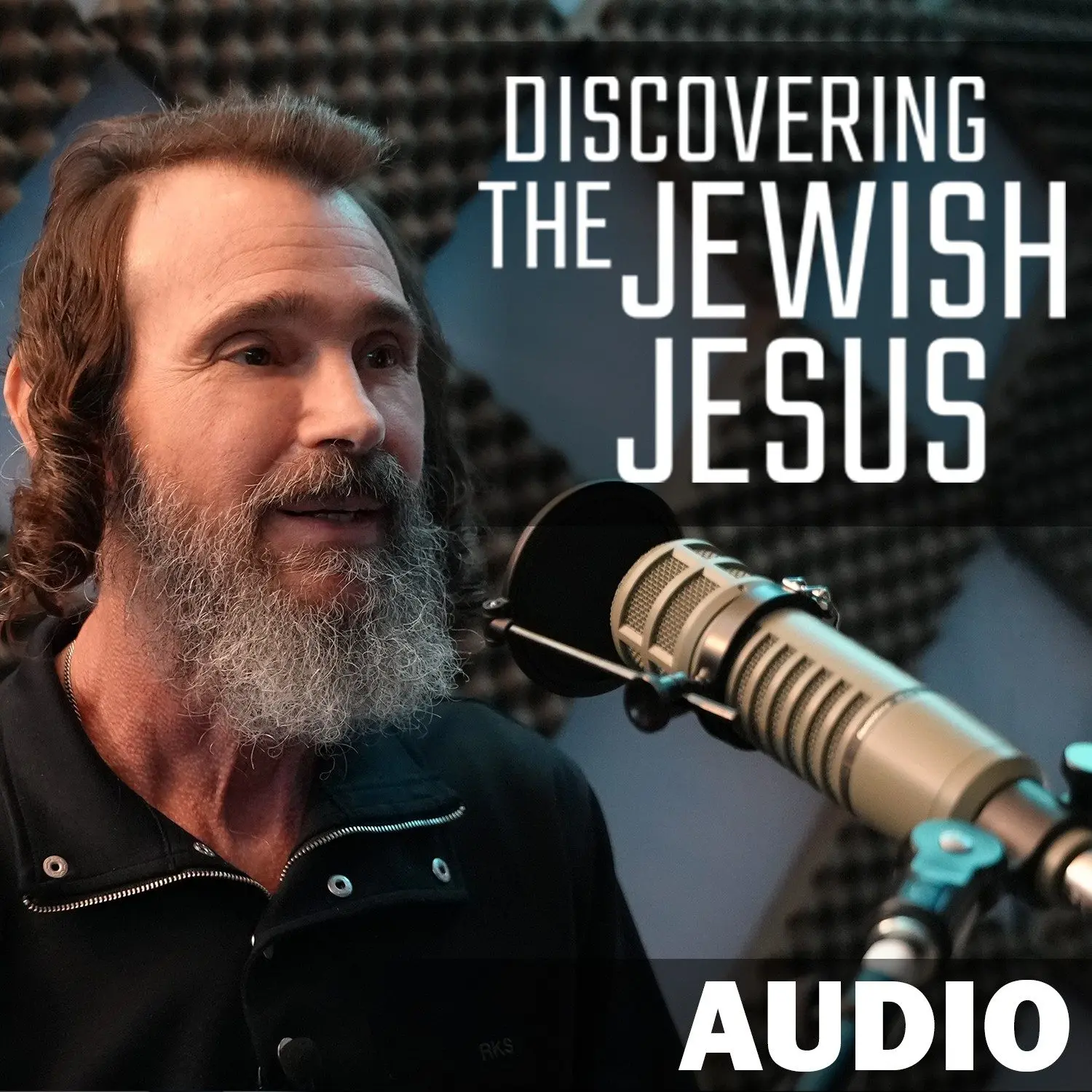
Dive into the joyous season of the Feast of Tabernacles, also known as Sukkot, a time when all of Israel gathered to celebrate and rejoice in the presence of the Lord. Rabbi Schneider delves deep into the scriptural importance of this festival, shedding light on how being happy, thankful, and joyous forms the core of our spiritual callings. With rich connections to the Torah and teachings of the Hebrew scriptures, we gain insights into why God commands us to find joy, even amidst life’s challenges.
Welcome to Seeds of Revelation, a short devotional presented by Rabbi Schneider, a Jewish believer in Jesus the Messiah.
SPEAKER 02 :
Chag Sameach, everybody, my beloved holy brothers and sisters. We are in one of the most joyous times of the year in God’s sacred calendar, which is given to us in the Torah in the first five books of our Bible. We are in now the Feast of Tabernacles. We are in what we call in Hebrew, Sukkot. Now there were three, I want you to get that number, there were three times of year where God called all of Israel to gather together to worship Him in Jerusalem. These three pilgrim festivals, as they’re known, are Passover and Unleavened Bread together, it’s kind of one celebration. Then we have Pentecost, when the Spirit was given, or Shavuot, we say in Hebrew. And then we have the feast that we’re presently in, once again, the Feast of Tabernacles, or Sukkot. Now, three times a year, all Israel was commanded to come to Jerusalem to participate. And the Lord said, get it now, these three times a year, they were to… rejoice before him. In fact, one of the greatest elements of the Feast of Tabernacles is to rejoice before the Lord and be thankful for all he’s done. I want to focus on this word joy. In Hebrew, the word is simcha. Simcha meaning joy. And I think about the fact that three times God’s commanding His people to be happy in Him, to rejoice in Him, to be thankful in Him, to be uplifted and positive in such a way that they’re happy and free and just beaming with His glory. And three, notice three times, three is a number in the Bible that’s very sacred. Again, three times a year, commanded to have joy. Three means something. Let’s take, for example, God’s revelation of his name in the Hebrew scriptures when he revealed himself as Yud-Heh-Vav-Heh, which are the four Hebrew letters that most ancient Semitic language scholars feel is pronounced a breathy Yahweh. So when the Lord revealed his name in the book of Exodus, Yahweh, he revealed it in connection with saying, he says, I am that I am. Moses said to the Lord, well, who are you? Who should I say sent me? And Yahweh responded back to Moses, you tell them I am that I am has sent you.” So you think about this term, I am. I am fills the three dimensions of time, right? When you think of time, time has three dimensions. We have the past, first dimension. We have the present, second dimension. Then we have the future, the third dimension of time. So there are three dimensions in time. And when the Lord said, I am, He was revealing that He filled all three dimensions. He is the one who was, who is and who is to come. And that’s how we see him worshiped in the Bible. Also, I want you to consider the number three in Scripture with the dwelling place of the Spirit in the Hebrew Scriptures. So the Lord commanded Israel to what? Build a Mishkan, which is the Hebrew word for tabernacle in Exodus chapter 25. And he said, I want you to build me this tabernacle in order that I might dwell with you. So this Mishkan was the meeting place of God. And how many different compartments did the Mishkan or the tabernacle have? Three. Three different dimensions of the place where God met his people. The outer court, the holy place, and then the holy of holies where the Ark of the Covenant was kept. I could go on. We have Abraham, Isaac, and Jacob, the three patriarchs. We have the Godhead himself. We have God himself. that’s been revealed to us in the New Testament as Father, Son, and Spirit, the Triune Godhead, Father, Son, and Spirit. The Christian church calls this the Trinity. So three is extremely important. Do you see what I mean? So when the Lord told His people Israel to rejoice before Him during the three pilgrim festivals that we just got done outlining, what that says to me, beloved one? is that His desire is for His people, get this now, to be happy all the time. Because again, three represents completeness and wholeness and perfection. So God wants you and I to practice being happy. I know life is hard. I know it’s hard. It’s hard for me. It’s hard for everybody. We wake up some days and, you know, we just carry a lot of weight oftentimes. But we have to do our best to cause a disposition in our heart where we’re thankful because the Feast of Tabernacles is about being thankful and being happy or having joy. It doesn’t mean we won’t have challenges and struggles and that there aren’t things that can cause us sadness. but it means that at the deepest core of our being, we have joy and we’re happy because we know that God chose us, loves us, is with us, is using all things that are going on in our life for good and that we’re going to heaven. So have joy, my beloved friend, this Feast of Tabernacles. And by the way, if you want to present an offering to the Lord during this time of year, I want to thank you for your financial help. Without you, beloved, I can’t broadcast.
SPEAKER 01 :
We hope you were blessed by today’s Seeds of Revelation. If the Lord is leading you to support the ministry of Rabbi Schneider, you can donate at discoveringthejewishjesus.com. And while you’re there, make sure to check out our many other free resources.
Dive into the joyous season of the Feast of Tabernacles, also known as Sukkot, a time when all of Israel gathered to celebrate and rejoice in the presence of the Lord. Rabbi Schneider delves deep into the scriptural importance of this festival, shedding light on how being happy, thankful, and joyous forms the core of our spiritual callings. With rich connections to the Torah and teachings of the Hebrew scriptures, we gain insights into why God commands us to find joy, even amidst life’s challenges.