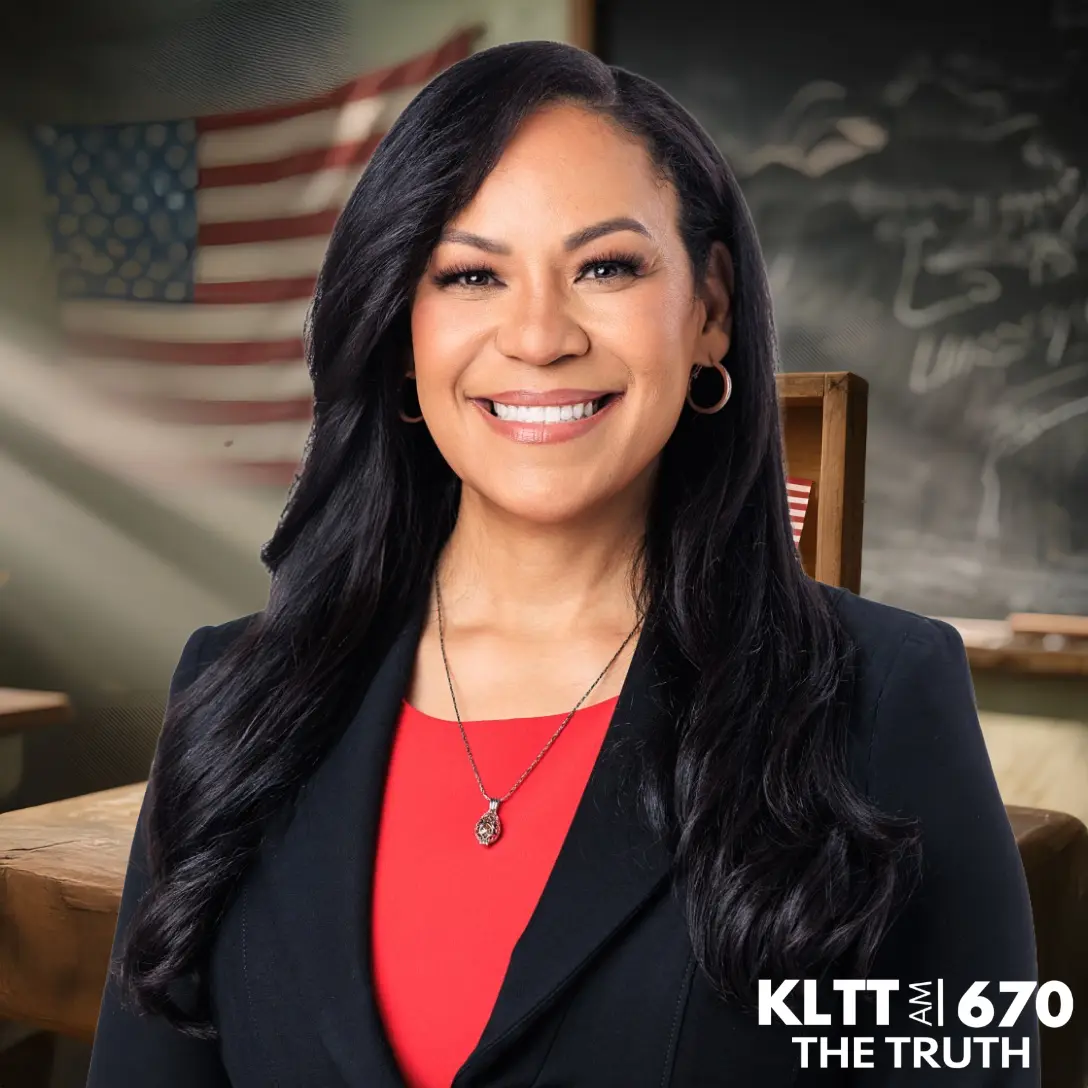
Join host Priscilla Rahn in a heartfelt conversation with Pam Sweetser, the visionary behind Heritage Camps for Adoptive Families. Discover the profound impact these camps have on children navigating the complexities of adoption, offering them a sense of belonging and cultural identity. Pam, an adoptive mother herself, shares her personal journey and the motivation that led her to create a haven for adoptive families seeking connection and understanding.
SPEAKER 02 :
welcome to restoring education in america with priscilla rahn she’s a master educator and author leading the conversation to restore the american mind through wisdom virtue and truth well hello everybody welcome to another episode of restoring education in america i’m your host priscilla rahn thank you so much for joining the conversation today i’m really excited about my next guest this radio program is free to you but it’s really not free so it’s thanks to the donations of listeners that we can be on the air and today’s episode is thanks to my dear mother grandmaster yo lee soon shaw and she is an author and she wrote a book called morning to morning and you can get her book on amazon And her story is about being a Korean War survivor, and she was a young girl who faced unimaginable loss. Bombs shattered her city, hunger gnawed at her family, and Han, the deep sorrow of the Korean spirit, became her constant companion. Yet from the ashes of war, she forged a life of unbreakable hope. Morning to Morning is the inspiring true story of Yeo Lee Soon, a survivor whose courage carried her from a war-torn childhood to a legacy of love and unshakable faith. Even in her darkest moments, she clung to her belief in Hananim, which is God, trusting that his purpose was greater than her pain. Her Christian faith became both her anchor and her light, guiding her through every trial and transformation. So thank you, mom, for sponsoring today’s episode of Restoring Education in America. And everybody, make sure you get your copy. But I want to bring someone super amazing to the stage today to talk about what’s going on in families. This is really special. It’s the topic of adoption. I’m going to bring my friend to the stage, Miss Pam Sweetser. Hi, Pam. Hello. Nice to see you, Priscilla, in this arena. Yes, it’s so great to see you. I totally get to see you at least once a year in person up at the beautiful YMCA. Before we get too far into the conversation, though, I am going to share your bio with our listeners. Pam Sweetser is executive director of Heritage Camps for Adoptive Families. Pam and her husband, Dan, are the adoptive parents of two children, a daughter who was born in Korea in 1986 and a son who was born in India in 1989. Her children catapulted Pam into a life and career interest she never imagined. As Pam’s children grew, so did Heritage Camps for Adoptive Families. For over 30 years, Pam has been dedicated to the mission and vision of Heritage Camps as it has evolved over time, learning by the seat of her pants and with a lot of help how to successfully run a nonprofit organization. Pam and Heritage Camps for Adoptive Families have been the recipient of the Minoru Yasui Volunteer Service Award, Asian Education Advisory Council Community Service Award, Channel 7 Everyday Hero, Asian Pacific Bar Association Minoru Yasui Community Award, Asian American Hero of Colorado Recognition, the Korean American Coalition of the U.S. Bridge Builder Award, and the National Angel in Adoption Award. This labor of love at Heritage Camps for Adoptive Families has truly become a life’s work for Pam, one that never would have happened without her own wonderful children. That is so beautiful, Pam, and I am so honored to have this conversation with you today. So let’s go back to the very beginning, Pam. Take us back to your adoption story and why you decided to adopt.
SPEAKER 03 :
Well, I think I had always been interested in adopting. My sister is adopted. And then it turns out when I met Dan in college, his sister is adopted and his mother is adopted. And then when I was in high school, the Vietnam War ended. And there was the Vietnamese baby lift, as they call it, with all of the orphans coming to the U.S. And it happened to be that in Denver, where I live, there was a group of people who were instrumental in helping to get those babies home. They happened to, a lot of them came to my church. So I kept seeing all these really orphans. wonderful families. And, you know, I’m kind of idealistic. And I thought, now that would be, that’s what I want, that I want to have that international family. Little did I know all that would come with that. But, you know, it just seemed like an idealistic thing to do. So when Dan and I got married, I did have some fertility issues and I just never really dealt with, I didn’t, I didn’t do in vitro. I didn’t do lots of drugs. I didn’t do, you know, I just didn’t go through the whole infertility process that so many, I know adoptive families, parents do. We just didn’t because we always wanted to adopt. So then we found the agency in Denver that was, they were called Friends of Children of Vietnam and But when I called them, they had changed it to various nations because Vietnam had closed to adoption at that sort of point in time. But Korea was open. So I thought, well, that seems good. Yeah, let’s do that. So we literally went to the orientation one day, and nine months later, Lacey came home. It was amazing. And then two years later, we decided we wanted to adopt again and from Korea. thinking we wanted to adopt from Korea, we went back to the agency and said, no, Korea is adopted. Korea is closed right now. It was after the Olympics in 88. And there was a lot of propaganda in Korea from North Korea saying South Korea can’t take care of their children. And so they closed to international adoption. And so we went back to our agency and they said, well, India is open. So we said, okay, let’s go to India and adopt from there. Of course, back then you didn’t go anywhere. There was no traveling. They came home to the Stapleton Airport. It was that long ago. And we didn’t, now parents get to travel to pick up their children, which I wish we had been able to do, but they were just, that was just not an option. So anyway, then we just were busy raising kids and raising little ones. And when Lacey, our daughter, was about five, we got a letter, an invitation from the agency saying we want to start a Korean culture camp and you’re invited. I said, Oh, let’s go. So we had a home study with other families. We, so we all had become good friends. We all went and of course loved it. And the most amazing thing Priscilla was, so she was five and just seeing that sense of peace, sort of like, These other kids look like me. I belong here. And look, these other parents look like mine. You know, it’s a place where I can, there’s no questions. There’s none of that. Because even at five, you know, she was feeling those things. And at camp, and it was very small at the time, but it was just, you could just see it in her face, this sense of belonging. You know, and we felt the same way, honestly. So the organizers said, well, you know, we need volunteers. You know how I do that routine. Even today, we’re run by volunteers. And I volunteered and then. Our son, when he turned about four, he started telling people, I’m Korean, too. I’m Korean. And I know it’s because he even felt more a sense of belonging at that camp than in his, you know, kind of everyday life. So my husband and I said, you know, we need to do something about that because he’s not Korean. got a group of families together that adopted from India and started that camp. But I honestly thought that would be it, you know, and I would volunteer and do other work. And, um, I actually wanted to be a teacher. I wanted to go back to school to be a, to be a teacher. And I was in school to be a teacher when Lisa came home and grad school. And it was just a little too much cause I was working full time too. So anyway, that’s, that was the plan. And all of a sudden, people were saying, well, I have my Korean son, and this camp is so great, but my daughter was born in Guatemala, so we need to have a camp for her. And I said, okay. And it just built. Adoption agencies would call and say, we have a group of families with children from Vietnam because it had opened up again. You know, all of that was happening. And before I knew it, it just became my life’s work, like I said. 35 years of it.
SPEAKER 02 :
That’s beautiful. I know my mom talks about during the war being orphaned and having to stay in an orphanage and that horrific period of for two and a half years, actually, she was without her parents. So me being a volunteer at Heritage Camps and seeing the beautiful connection there, talk a little bit about why. What parents can experience and what students can expect if they come to your camp?
SPEAKER 03 :
The main purpose of the camps, honestly, slightly different for the domestic camp, but less than I thought it was going, is that as adoptive parents, you love your children. You give them everything you can. You’ve waited for them. You’ve gone through all kinds of paperwork. blood tests, everything to be able to be a parent. I wish everybody had to do that. But, you know, they had a social worker. I mean, the whole thing. And so you will do anything for your kids, really, that I’m generalizing, but for the most part. And you can give them piano lessons and a good education and this and that. You cannot give them their culture because you don’t share it with them. And their culture is a fundamental piece of who they are. I mean, there’s that old saying, how do you know where you’re going if you don’t know where you came from? That’s an adopted child, any adopted child. And so the main purpose of the camp was to provide the children with that sense of culture. So that’s why, for instance, that Korean camp that you know well, We have so many Korean community members like you that come talk to the kids, talk to the parents, cook the meals. I mean, you know, you all feel like you’re in Korea when you’re there. That’s a wonderful one. There’s so many people there. So that the kids are surrounded and immersed with people who are like them. And they can see themselves like, okay, I’m gonna grow up. I’m gonna be okay. I might be a teenager. So, you know, look at these people. And then for the parents, there’s so much education around raising transracial kids. And way back when we adopted 38 years ago, there was no information. There was no education about that at all. It was like, and here you go. It’s going to be a wonderful thing. You know, it isn’t always so wonderful. And there is a lot inherently that, It’s good to know about it and be aware of when you’re raising transracial kids and when you’re raising an adopted child. Because there is, like I always say, there’s an extra layer to adoption. It’s not the end-all and be-all for a person, but it’s kind of that extra layer of something in their lives. Because, like you said about your mom, it comes from grief and loss. So the camps are, I guess, meant to nurture kids the family and for lack of a better word, help the family navigate all of the different things that can come up in our lives.
SPEAKER 02 :
You know, it’s beautiful. And I learned a lot about the adoptive culture. And I love the questions that I get from the students. And I love the questions that I get from the parents because they’re able to ask any question that they’re curious about. And I love that. And it’s really interesting to get into their brain and hear the things that they’re thinking about. And I love the fact that there’s this wide variety of interests. Some of the students are really interested in finding their birth parents and going back to Korea. And there’s some that are like, you know what? I’m good. My parents are good. I’m good. Right. I love bulgogi and the kimchi and the rice and I love the food and I love getting together with my friends. Love K-pop. Love my K-pop, yes. I get to see my friends once a year. It’s funny because, you know, I come regularly in the summer and I see the same kids and they grow up and they get to see their friends and some of them become camp counselors. It’s a beautiful thing that you have done with these families. So Pam, you’ve been running heritage camps for over 30 years. In general, what’s the feedback that you’ve received from adoptive parents?
SPEAKER 03 :
You know, I think the feedback, and it’s anecdotal, but the feedback I get that warrants my heart the most is when a parent can say, my child was so unhappy. my child didn’t feel like they belonged. You know, we didn’t know what to do. I mean, it’s, again, we pour all kinds of love into them, but there was something missing. And just like with my daughter and my son, when they go to camp, something fills up in them. And parents will say, going back home, they were a different child. And that’s something that always just touches me in that, you know, here’s someone all ages too, I mean, way through teenagers that are struggling, and there’s that sense of, I’m going to be okay when they get to camp. And then that makes the parents feel like, okay, they’re going to be okay. And I’m not saying it’s the end all and be all. I wish it were. It doesn’t last forever. And kids go through lots of struggles and phases. But it’s like a time to recenter. And every year they get to come and recenter. And I think that people will say this is a lifelong experience. And now I’ve had adult adoptees tell me. You know, this is ingrained in me. Everything that I felt and learned when I was at camp is now a part of me. It’s ingrained in me, and it helps me feel better about my identity, you know, the direction I’m going in life, all of those kinds of things. That’s really cool, Priscilla, is that, I mean, in my own case, the kids’ case, too, my son in particular, he’s still connected to counselors from back then to community member, Indian community members, but he will talk to and go to if he’s, if he’s feeling some of those feelings as an adult, because he knows they have his back and that they understand. And then, you know, also the community of other adoptees that he grew up with going, there’s just that connection that I think is, is lifelong. And, You know, I didn’t even really realize that was going to be the case until, you know, my kids became adults. I’m like, oh, it is kind of lifelong, you know. But when is a transformative experience for a kid to feel better about themselves?
SPEAKER 02 :
So, Pam, you have several different camps. I’m familiar with the Korean camp because I grew up in Korea. What are the other camps that you host? So we do have nine camps.
SPEAKER 03 :
We have African Caribbean, which is… for families with kids born in Africa, any country in Africa, the Caribbean, Haiti, mostly in Congo, and then U.S. born black kids that have been adopted mainly by white parents. Then we have two Chinese camps because it used to be so big that we had to stick them up and then they developed their own communities. They stuck that way. And then we have a domestic adoption camp, which was very interesting to start because I thought at first, well, what are we gonna even do? There’s not the culture thing. And are these kids gonna connect? I mean, they don’t have that obvious connection, Priscilla. It was like this, they connected. So you’re right, adoption is a culture, you know. And at that camp, they do lots of fun kind of camp things. And we do have, there’s actually a very diverse camp. So we do have some cultural things. But that one has been really fun to see as, you know, adoption’s adoption. So that’s been good. And then we have the Indian Nepalese camp, the Korean camp, the Latin American. the Slavic Eastern European, Central Asian, and the Southeast Asian Pacific Islander. So I think I got them all.
SPEAKER 02 :
If not, people can go to your website. Go to the website. What’s your website? It’s right in the center there. Yes. What’s your website for the listeners? It’s just heritagecamps.org. And you always need volunteers. Yes. We live on volunteers.
SPEAKER 03 :
There are two paid staff. That’s it.
SPEAKER 02 :
Okay. Yeah. Two paid staff.
SPEAKER 03 :
So everyone else, everyone else is.
SPEAKER 02 :
And you need donations because you have to, you know, pay for all of the activities and things like that. But parents pay a small fee, right? They pay a program fee.
SPEAKER 03 :
Yeah. And then they pay lodging fees. But those fees, the program fees, don’t cover the cost of camp. So we do need constantly to have donations.
SPEAKER 02 :
Right. And it’s fun and it’s a family affair. And there’s a separate track for parents and a separate track for the children. And you can bring your children at any age. There’s even an infant baby. An infant. An infant baby. camp and um they get to learn cultural crafts and they get to learn cooking and they get to yeah the food is the big thing and they get to sometimes you fly in um artists like well-known performers to perform and it’s just like this amazing week of cultural enrichment Well, four days, four days. Four days. I always say it should be a week. Everyone would love it to be a week. Let’s say that. Four days. And you’re up at the YMCA in Snow Mountain. It’s just gorgeous. Yeah.
SPEAKER 03 :
We have three sites, the Estes Park YMCA, the Snow Mountain, and then we use Front Range Community College for some of the camps in the Denver area. Which is also really nice. It’s a really nice campus and it’s great. I’ve always said, you know what, if somebody wants to have a camp, we’ll have one on a street corner as long as we can get together. We’ll have it in somebody’s backyard. I mean, whatever. As long as we can be together, that’s the most important thing. But yeah, the spaces are all really nice too. They make it easy to go to.
SPEAKER 02 :
So Pam, I feel like for us as teachers, there’s a blind spot. Like we don’t go to teacher training and learn about how to support adoptive families. What is it that you wish teachers understood about adoptive families?
SPEAKER 03 :
Well, I have to say, and this is kind of personal for my own family, don’t, you know, the family tree thing. is terrible for an adoptee. I had one of Lacey’s teachers in junior high say, middle school, they were doing a family tree thing, and it was the genetic one, you know. And so they kind of called us aside on parent-teacher night and said, well, you know, he said, I don’t know what exactly to do with science class. You know, if Lacey wants to, she can just make it. And oh, boy, and she was standing right there. It’s a terrible feeling like I don’t even have talk about feeling empty, you know? So those are the kinds of things that I wish teachers would get training. Like, how do you do that with an adoptee? How do you, how do you do the family tree? Now you can do the family tree. That’s just the basic, this is mom, dad, grandma. But a lot of times in schools, it is that scientific kind of family tree thing. So that’s a, that’s a tough one. And I think that just leads into me thinking, A lot of it is just being aware that there is, you know, some of the basic stuff is not for an adoptee. It’s just different. You know, it’s just who you are, where you came from, all of that. And also, I think being supportive of what kids hear. And what they go through, like the whole, where are you from? Well, I’m from Denver. No, really, where are you from? You know, and I mean, you get that too. So it’s not just adoptees, but that whole sense of kind of jump in there, you know, be supportive. My daughter was asked one time, and the teacher told me about it, but she didn’t call. You know, I don’t even know how you see out of those eyes. things like that and you know it’s those little painful things she never told me about it teacher did you know and that’s i think that happens pretty frequently and i did appreciate the teacher at least telling me about it you know rather i would have never known she had somebody say that to her and you know i i think parents need to be aware of those things you know you kind of go through life with oh it’s all fine and you know we’re doing good she has good grades both No, these hurtful things. And so when a teacher can be aware and kind of understand that, I think it’s very helpful.
SPEAKER 02 :
You know, there is no replacement for the love of a mom and dad. And I know having spoken to many, many adoptive parents, they are amazing parents who are giving so much and trying so hard to make sure, you know, it’s just amazing. it just exudes out of them how much they love their children and the sacrifices they’re making and how they’re really trying to understand the complexity of not just adopting domestically, but that international adoption adds another layer of understanding. And we’ve talked about this at the camp, like once they graduate from high school and they go out on their own, the safety net is totally gone and they’re having to learn how to maneuver their friendships and relationships without some of the protection that they’re used to. And so I think that it’s really critical to try to understand and as the educators who are listening to the show, to do your best to educate yourself on the nuances of adoptive families and maybe volunteer or go to the website and watch some of the videos or read some articles.
SPEAKER 03 :
You know, it’s so funny because when you talk about teachers, I remember distinctly Sam, our son, you know, he was a fun kid, but he wasn’t always the best student. I mean, he’s, you know, one of those smart kids that doesn’t apply himself. And he, you know, life was always fun for him. But he, there was one teacher who he didn’t like. He admitted this was in, again, in middle school. No, this was in high school, I think. I remember. Anyway, we go in for back to school night. And the teacher was visibly like, oh, oh, you’re Sam’s parents. Like you white people are Sam’s, you know, parents. Who’s kind of this, you know, um, he wasn’t a troublemaker. He just didn’t work too hard. And they had this in prep that was that preconceived. impression of what his parents and who his parents would be and that was really striking to us and so then the whole thing kind of changed was very weird and that’s the thing teachers they can’t do that well i think the lesson is that don’t make assumptions when you don’t make assumptions please you know for any kid you never know
SPEAKER 02 :
And I think it’s really critical that we partner with parents as well and to be someone that’s communicating to parents and trying to understand. And if you do notice something in the classroom, call the parents and get to find out a little bit more.
SPEAKER 03 :
I know all parents appreciate that.
SPEAKER 02 :
Pam, you’re doing such amazing work and you’re an amazing woman. And I’ve just, I’ve seen how selfless and humble you are when I see you at camp and you’re like out working, you’re working, you know, you’re trying to make things happen. You’re putting out fires and you are doing God’s work definitely to support the
SPEAKER 03 :
families and thank you for all that you do and one more time before we go share your website for people it’s heritagecamps.org registration’s open june will be here before we know it and i’ll be so happy to see you in real life again priscilla and i do appreciate your volunteering and all the support you’ve given our kids because you work with high school kids and They need you. So I really appreciate you coming to do that.
SPEAKER 02 :
And just remember, kids are kids. Yes, and kids are kids. They’re normal kids. They’re really not. Yeah, nothing out of the box with that. Very much so. So I want to make sure people… know that they can donate. If they can’t volunteer, please send a donation. They run by donations and they are a nonprofit. So please make sure you support them. And you can find that donation button right on the homepage. Absolutely. Well, I’m excited to see you in June at the community camp.
SPEAKER 03 :
Thank you so much for this time, Priscilla. I really appreciate it.
SPEAKER 02 :
Absolutely.
SPEAKER 03 :
I can always tell my story.
SPEAKER 02 :
Yes, yes. And to my listeners, thanks for tuning in and catch me next time. And remember, educating the mind without the heart is no education. So seek wisdom, cultivate virtue, and speak truth.
SPEAKER 01 :
Thanks for tuning in to Restoring Education in America with Priscilla Rahn. Visit PriscillaRahn.com to connect or learn how you can sponsor future episodes to keep this message of faith, freedom, and education on the air.