

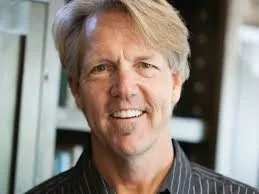

In this enlightening episode, Priscilla Rahn engages in a heartfelt conversation with Dr. Brian Arnold, an alignment coach and founder of Becoming the Person Universe. They discuss restoring education and the American mind through virtue and truth. Dr. Arnold shares his inspiring personal journey, from adopting eight children to working with the homeless, all while remaining dedicated to unlocking human potential. His work with the Journey to Freedom podcast brings to light the importance of purposeful living and serving others, providing incredible insights for listeners seeking to enrich their own lives.
SPEAKER 01 :
Welcome to Restoring Education in America with Priscilla Rahn. She’s a master educator and author leading the conversation to restore the American mind through wisdom, virtue, and truth.
SPEAKER 02 :
Hello everybody, welcome to Restoring Education in America. I’m your host Priscilla Rahn and I am so grateful that you’ve decided to join the conversation today. I’m just wondering, are you looking for a phenomenal school for your young children? Well, there’s a new school that’s opening this fall in Centennial, Colorado. It’s called Excalibur Classical Academy. They’re opening up near the Tech Center near Maggiano’s Little Italy, if you know where that location is. Their mission and vision is restoring America’s heritage by developing servant leaders who are keepers and defenders of the principles of freedom, for which our founding fathers pledged their lives, fortunes, and sacred honor. They’re a private school, and they’re opening with K through third grade this fall. So if you’re interested in learning more, please go to their website, ExcaliburClassicalAcademy.org. And if you’re interested in teaching at Excalibur, please send your resume, and you can find their link on ExcaliburClassicalAcademy.org. So today is going to be a little bit of a blast from the past for me. I am going to bring my dear friend to the stage, Dr. Brian Arnold. Okay, Brian, I’m laughing. You’re laughing because we haven’t talked to each other in a minute. And we actually used to teach together at DCIS Montbello. way back in the day i’ve lost track it was before covid like 2016 is when i left i think so it’s been almost 10 years so we were literally across the hall from each other And we would talk and then eventually we found out we had a lot of similar values that we kind of had to keep a secret because if people knew we leaned a little conservative, we would have been really targeted.
SPEAKER 03 :
I got in trouble a few times, but that’s all right. It was worth the trouble I got in.
SPEAKER 02 :
Well, I tell you what, before we get too far into our conversation, I’m going to share your bio with our listeners. So Dr. Brian Arnold is an alignment coach and teacher who helps people become the very best of what God has created them to be and do. As a CEO of Becoming the Person Universe, he is passionate about guiding individuals to unlock their fullest potential and live out their true purpose. His work centers on empowering people to identify and embrace the unique missions they were placed on earth to fulfill, offering tailored strategies and support that catalyze transformative personal growth. With years of leadership experience, he teaches personal development and potential. He leads with empathy and vision to foster meaningful change. Brian hosts the Journey to Freedom podcast and is the author of four books, There is no tiger. We do have relationship versus AI and the decision formula. You’ve been busy, my friend.
SPEAKER 03 :
Yes, I have. I have been just enjoying life and trying to figure out how to make it all work. So it is cool. 16 grandkids now.
SPEAKER 02 :
Oh my goodness. Okay. So first, before when I knew you, you weren’t a doctor. You did not have a PhD. So you, okay. First for the listeners, just talk a little bit about your parent journey. You’re married to Renee. Renee’s awesome mom. And then talk about your adoption stories and all your kids.
SPEAKER 03 :
Yes, so we have eight kids together and we don’t have any that were biological with each other, but we were able to adopt two twins back in the 90s that are now 30 years old. which I cannot believe. And so my oldest child is now, how old is Stefan? Stefan is 37, he was born in 88. So I think he’s 37, number 37. And then youngest is Rihanna, who is 29 and the two twins are 30. And we have some in between there. And so out of those eight children have come 16 amazing grandkids that are are lighting up the world. The oldest, I think she’s 14. We’ll start high school next year. And then the youngest was born a year ago. So yeah, it just, it just spans and you know, just to think of the things that we’ve been able to do and the places we’ve been able to take them. We take a vacation. Every other year where we do this big family, it keeps growing. Our first one was in 2015. I was teaching with you. We took them all to Hawaii. So we had the eight children and one grandchild at that point that we took to Hawaii. And from that trip came two more grandkids. And so they just seemed to multiply as a result of it. They’re born within a week of each other, nine months after Hawaii. So that was a great trip to go on. And then we’ve been to Vegas. We’ve been to San Diego. The last one we did was in San Diego. There was 33 folks that showed up to San Diego compared to the eight. So it just keeps growing. But I’m a big time family. I can’t wait to do all that stuff.
SPEAKER 02 :
Brian, I love to ask this question to grandparents. What’s your grandpa name?
SPEAKER 03 :
Papa, they call me. Well, and here’s what’s funny. Some of them are calling me Dr. Papa, which is hilarious. So for many of them, I’m Dr. Papa. You know, when they’re playing around or they just call me Papa. So that’s yeah, they call Renee Nene. So we’re Papa Nene.
SPEAKER 02 :
OK, well, that’s really cute. So it so what we didn’t mention in your bio is like in between teaching and where you are now is. you were an executive director of a community, what would you call it? It’s like kind of a halfway house, transitional home. Talk a little bit about that journey right there.
SPEAKER 03 :
Yeah, no. So I went into homeless services, you know, into the nonprofit world and was At first, I ran just an organization that supported folks that were experiencing homelessness. And then I ended up in a 50-bed facility and running that facility. And it was a transition. It was called Ready to Work. So it was a, hey, we’re going to provide housing. You have to be sober living. But you’re going to have to go to work every single day. And so we turned down a whole lot of folks that didn’t want to work. But for the ones that did, and the whole goal was to transition them out of our housing with a stable job. So they start out with jobs we provided for them. Then we’d move into jobs that they were able to get on their own and still support them as they were transitioning back into a workforce and ultimately into housing that they could sustain on their own. uh whether it was reduced housing in other amounts of monies and then so i was like chairman of several boards one was the metro denver homeless initiative and a whole bunch of other stuff where we were just working with how do we figure out uh how to get people back to the dignity of working in life and everything else and so uh there’s so many hurdles uh once somebody makes some of the mistakes that they make uh to stop them from just getting back and so many people want to they just don’t know how to or just the hurdles seem to be insurmountable. First thing is just how do we, how do we curtail the alcohol or drug addiction or the mental health issues that sometimes go along with some of those, you know, with our vet system where, you know, for VA, you know, folks that have been better than our country that have come back from war. And sometimes we just don’t treat them the way that we should for the service that they gave to our country. So.
SPEAKER 02 :
Yeah. So I’m familiar with your work because I came down there a couple of times and talked to the men about registering to vote. And so we had some people who got registered to vote for the first time, which was really amazing. But it reminds me a little bit about Step Denver, which is in Denver, where they encourage men to, you know, they have parameters around receiving the services and they’ve been able to help get a lot of people clean and back on their feet. And I think that’s just a beautiful thing because that’s what we want. We need that for our government. So you taught technology, correct?
SPEAKER 03 :
I did. Yeah.
SPEAKER 02 :
So how long were you teaching?
SPEAKER 03 :
Well, my total teaching time from the time that I started to the time that I still keep going back and doing stuff over a little over 25 years. You know, my first teaching job was a PE position in Moreno Valley, California. And I was I taught PE for three years there. And then it ended up I got my master’s in educational technology and immediately started working at the university. So I was working at Cal State San Bernardino, UC Riverside, San Diego State. I ended up being the director of a master’s program in educational technology at Azusa Pacific University, still coaching track and still doing stuff. Then when I decided to start my own business in 2000, I went into elementary education. And so I taught elementary PE so I could get my business up and running and was able to take my kids with me to school and that kind of stuff and kind of dropped out of the technology. And then in 2008, when everything kind of crashed, Then I came back to Colorado, and then I went back to DCIS. So I taught at Cherokee Trail for a little bit, and then I went to where I was working with you. But I still, I think I worked at College of America here. I’ve taught some classes over at CU. So it just depends on where I can make sure. Obviously, a big proponent of education. I have a doctorate in educational leadership, is what my doctorate’s in. But yeah, I have issues with our educational system right now, the way that it is, and And are we training or helping and educating our kids in a way that they can be successful in life? And there’s so many things. I wrote a book on AI and just what’s happening with AI and the technology part of it, but more importantly, the relationship part of it. As we decide what is needed to be done, how are our kids and my grandkids going to have a society that they can function in in a way that they can have these abundant, productive lives?
SPEAKER 02 :
I know a great school for your grandkids. It’s called Excalibur Classical Academy. It sounds like it. We’re going to have to talk a little bit more about that because I’m going to be the headmaster. There we go. So, you know, you and I were just growing up. We’re just moving up like the Jeffersons. But, you know, to watch your journey for me and our friendship that developed and you were my one conservative friend at school that I was like, oh, my goodness, I’m not the only one here. And we would just find a space to talk about the things that were happening in society then that we disagreed with and to watch your passion grow. for humanity grow. And then the last time I saw you, you had invited me to be on a panel with James Coleman to kind of talk about, you know, I was in the Republican Party and James was representing the Democrat Party. And we had a very civil conversation. And I think that was the whole point, because the people in the room were a very mixed group. And I think from out of that, I really started to see a change because I see all of your social media posts in your podcast. How did that journey develop into where you are now doing this work with other adults to find their purpose?
SPEAKER 03 :
Yeah. So, you know, it’s always been one of my goals in life or whatever, as I do coaching. And so one of the consistent things that I can say that I have done throughout all of my years is I’ve been a track coach and, you know, whether it was coaching Olympians, I’ve been able and privileged to coach some Olympians. I’ve been privileged to coach a whole bunch of state champions and, and the winning nature of folks and what does it take to do well. But then as I get older, it’s like, okay, how do I take those same principles of athletics and put them into people’s lives that are hurting? As my faith continues to grow and I realize that hurting people hurt people and I see how people treat other human beings, but then there’s just this desire in so many people’s life to move forward, to gain more, you know, to have a better life, to be able to serve others. And I don’t think, you know, one of the things I talk about in my living Bollywood purpose podcast, is it possible to serve, you know, other folks and not, you know, or is it possible to win and be successful without serving others? And I think it’s impossible. I don’t think I’ve had any guests on that have said, Yeah, you can just be this winner and have this fulfilled life and this happy life and not serve. Nobody’s ever said that. And so how do we take our servant attitude and being able to serve other our fellow mankind at the same time? But a lot of folks just don’t know how to do it, whether they didn’t grow up with, you know, seeing great examples of it happening. or we just don’t know how to trust folks. One of the things that has been really fun in the last few years is I’ve done a whole lot of stuff with black men. And I went to this, I don’t know, it was a seminar, a guy named David Horsager, who teaches about trust leadership and how important it is to trust somebody and be able to move forward. And when we start with trust, if we can, then everything falls into place. And I go there and I go, well, 500 people in the room 30 folks of color in the room not that i’m not used to that but i’m just like you know and i say to myself all the time it doesn’t matter it doesn’t matter if i’m the only person in the room or if there’s several of us in the room but i’m wondering why our folks aren’t getting this information and i also know that that was just a false thing i was saying to myself it doesn’t matter because why else would i be counting i’m counting how many of us that look like me are in the room so it must matter a little bit And I come back and I’m going, okay, how do I take this to our community? Take it to men in particular. And first I just said, let me take it to folks of color, all colors. And then God just said something to me like, no, I need you to do this with men. And so that started my journey to freedom podcast, which was me finding successful black men from all over the country and being able to figure out, are you stuck? Why are you stuck? What makes you successful? What makes you separate from the stereotypes? uh and i said in 2024 i was going to do 100 interview 100 black men and we’re about 250 episodes right now of black men from all over the country that we’ve been able to do and it also spurred on i do a journey to freedom trip to alabama where we go find out okay this is where we’re from this is you know what dr martin luther king was talking about here and then we end up at the pettus bridge and we end up at the equal justice museum and then we come back and say, okay, how are we gonna integrate? And I take my white friends with us and we do a whole bunch of integration work that we talk about where we are, how we show up to the different places and then come back and say, okay, now how are we gonna do leadership in our area? So when I had you come out to Issachar, Issachar is a center for urban leadership. And so we just look at all walks of life and say, okay, so how are we gonna lead in a city That seems to be so disjointed, but we just have so much separation. And separation isn’t God’s plan. God’s plan is for us to be together and work in community with each other. So that’s where Becoming the Person universe came from. That’s where most of the work that I continue to do comes from is how do we create relationship that makes sense going along with God’s plan.
SPEAKER 02 :
That’s beautiful. So when you guys all go to Alabama, is there always someone in the group that keeps shouting Roll Tide? Isn’t that what they say?
SPEAKER 03 :
Roll Tide. That hasn’t been our experience, at least the men that I’ve been taking. What’s kind of really cool about the trip, and there is so much history that’s in Alabama, but it’s also a place where you go and go, it feels like we’ve been stuck in time. I feel like when I go to Birmingham, we fly into Birmingham first. And I feel like we’re still in 1970 when I’m in Birmingham, you know, downtown and the economic discrepancies that are there. You know, I would go to a restaurant and I asked the waiters, like, how much are you making per hour, you know, working here? And they say 220 an hour. And you go, this is 2025 or 2026. You’re telling me you make 220 an hour? I said, yes. I said, well, you must be getting some great tips. They say, no, I take home about $450 a month. And I’m like, well, how in the world are you living? in America this day and age. And even like when you go down the street, you’ll see the segregation is still there. You’ll see a black high school that is on one side of the street and the other side has real nice houses. And then you go on the other side of the black high school and it’s all… you know, project housing and, you know, socioeconomic disadvantage. And you just you go, where am I at right now? And how is this possible? They said their first white student graduated from that high school in 2004. And they have like seven white students in that high school right now. And I’m like, well, how are you getting this diversity of thought and diversity of what’s available if it’s still like this? And then so we do that. We go on this tour by a guy named Clay. And he’s a white guy who has really studied some of our history and just says, you know, he says, I wish I could tell you I have hope. But right now I don’t. And then we go, why don’t you leave? Why don’t you leave this? And he says, because if good people leave, there won’t be anybody left. So you kind of get hit hard in Birmingham. then you go through the Pettus Bridge and you kind of think of the Bloody Sunday and that kind of stuff. And if you’ve never been able to go to the Equal Justice Museum that Bryan Stevenson has put together and just kind of see, this is some of our history. And you learn things, you know, like George Washington’s teeth weren’t really made out of wood. They were made out of slaves. You know, he took the teeth out of one of his slaves and then put it into his own mouth and made dentures out of it. So you learn some about our history that, you know, history is usually, And for whatever reasons, it’s kind of talked about from the perspective of whoever conquered. So it is what it is. But at the same time, it’s kind of nice to know where you’ve been. And then, OK, so what are we going to do about it? And that’s where the real conversation comes in. And, you know, we’re sitting at the hotel after the museum and, you know, the black men that I’ve taken are just angry. You know, they’re angry that maybe they didn’t know the history. But at the same time, we spent four days developing relationships with other folks. And so they’re saying, we want you to be in this conversation with us. But it’s hard for us right now, which is OK, because now we come back and we’re in some incredible conversations that go, OK, so how are we going to lead this next generation? How are we going to? you know, figure how to do this in our schools and stuff, which I’m excited. Headmaster K through three, you get to start with some kids that get to learn some stuff.
SPEAKER 02 :
Yeah, I’m so excited. You used a key word here, which was relationships. You’ve written a book called Relationship Versus AI. You’re a former technology teacher. Tell us a little bit more about what your book is about.
SPEAKER 03 :
Yeah, relationship versus AI is saying AI is not going anywhere. And if we think it is, we’re kidding ourselves. And so if we’re not figuring out ways to embrace the fact that it’s here and be able to utilize it in different ways, then we’re going to be left behind. You know, I’m doing a conference, what do you call it, a virtual conference every month this year that’s based on AI. In January, we talked about AI and goal setting. This month, in February, we’re going to talk about AI and productivity tools. Next month is AI and habits. But why are we doing it? Why do we need AI to help us in our lives? Just so we can get more work done faster? No. So you can pause, stop, and go, okay, if I can read less emails, then maybe I can spend more time with my wife. If I can do something different where the AI has helped me to be able to be more productive, then I can go watch my kids’ games. I can spend time talking to them about what’s happening in life and have those table talks. you know, you know, if I can use the AI as a way to stop me from just being at work all the time or not paying attention or trying to achieve all these certain things, but at the same time going, okay, wait a minute, the most important thing I can possibly do is be in relationship. So I have that can becoming a person universe is all about relationships and how do we create better ones? Folks that are lonely, folks that are They take this stupid device here and they spend all day on it all along, just scrolling back and forth. And then they get into this comparison thing where they compare their lives to somebody else’s lives, not realizing that their life, the only thing that they’re posting is the best life, not the rest of their life. I guess the hardships of what social media can do, how AI can help with some of those things. There’s a whole lot of tools in there, ways to stop thinking about, hey, here’s a way to do a prompt. Here’s how to ask for prompts. Here’s how to make sure that it is. When we did our thing on goal setting, I had 16 speakers that came in and talked about all the different ways that they’re using AI to make their own personal lives better. This month will be the same thing as on the 21st. So it’s a free conference. If anybody wants to come and participate in it, I’d love to have you there.
SPEAKER 02 :
So, Brian, you’re working mostly with adults now.
SPEAKER 03 :
Still coach at the high school, though, so I still get them teenagers into my life still.
SPEAKER 02 :
Where are you coaching?
SPEAKER 03 :
Cherokee Trail. So this will be my, what, 12th year? No, 13th year, I think, over at Cherokee Trail. And we won the last three years of state championships. I coach high jumps and hurdles sometimes and that kind of stuff. And so I got a high jumper that’s a senior this year that I think he’s going to win state, so we’ll see. But we’ll get him over seven feet, and we’ll see what happens from there. It’s up to him. Yeah.
SPEAKER 02 :
Are you able to integrate some of the things that you’re teaching to the adult males, to the athletes that you’re working with?
SPEAKER 03 :
Oh, absolutely. Absolutely. The whole life is, you know, how how do we do it? And some of the things where I’m working with adult males is how do we now go mentor? How do we go make sure for the for the kids who don’t have dads? What do we do to make sure that they have that male influence in their life? For the kids who do have dads, how do we walk alongside those dads and say, okay, what are some things that you may have done? You know, we really start talking about things that are important in life. You know, I love the barbershop. I’m not going to say the barbershop is a bad place. All I’m going to say is all we talk about is sports and other men, other men running around as millionaires and their stats. And if somebody knows more about Patrick Mahomes than they do about the kids science project, then we have an issue. So how do we start talking about love? How do we start talking about relationships? How do we start talking about money? and how money is going to interact your life. How do we start talking about showing young men, this is how I love your mom. These are the ways that we do this. What does it mean to have a healthy relationship? All those are important mentorship. um ideas and things that we try to change uh train the adults one of the reasons i didn’t take i made an age of 27 and older to go to alabama trip i want to take some younger folks there but i want them to go alongside some of the men that are there and so at first when i’m thinking about i don’t want to take a whole bunch of teenagers that are going to be on the phone the whole time and miss the whole point that we’re there unless we can do some some pre-work before we go have a plan for post-work And now Alabama means a whole lot more to that young person who goes than we just get to go on a trip. So that’s kind of the plan. But yeah, absolutely integrated into. And I have my daughter’s a pre-K teacher. They’re wanting to come back to Colorado. They’re in California right now. Uh, my son, our son-in-law is an assistant principal, uh, at a high school. He was a principal at an elementary school and you know, the things you remember James. So James worked with us at DCIS.
SPEAKER 02 :
So Brian, I know faith is a big part of your life. That’s integrated. And when you say, uh, you help people become the very best of what God has created them to be. How do you embed your faith in God into the work that you do?
SPEAKER 03 :
Yeah, I would say that there’s nothing I do that doesn’t have my faith and my belief system embedded in it. And it’s the number one thing. I started a thing in the morning. It’s called the routine. Folks were asking me, what do you do every day when you get up? And so it starts out every single morning at 630, at least it has for the last 33 days. where I start some breathing exercises. Then we drink in some water. Then I go into a short devotional that has a verse in the belief system. Then I do some affirmations. I do a gratitude journal with everybody who comes on. I’m really doing it for me. I’m just taking what I usually do and putting it online and letting people participate it in with me because without that relationship with God, I think everything else falls apart. There is no other. That’s the most key relationship. But how do we walk through life with it? And so if I can help people in that journey, I’ve been a chaplain over at the Spalding Rehab Center for the last 10 years. This is year 11 that I’m there now. And so I can’t fix you. I’m not going to change your bedpan. I can’t do any of that. But what I can do is sit down and pray with you and listen.
SPEAKER 02 :
Well, brother, I’m looking at the time and we have to land our plane. Tell the listeners where they can find you online.
SPEAKER 03 :
Brian E. Arnold dot com. That is my main Web page. It has all the stuff I do. If you go to becoming the person dot com, that is our community. You if you just look up my name, Brian E. Arnold online or Dr. Brian, you’re on the line. You will find all kinds of things about me. We’d love to sit down with you. One of my favorite things to do is coffee. I call them virtual coffee appointments, 15-minute conversations, bookwithbrian.us. And you and I are having a 15-minute conversation and seeing what it is that I can do to serve you and help you in your life and help you get to the things you want.
SPEAKER 02 :
Well, thank you, Dr. Brian E. Arnold, a man who cares about other people and will help guide you and mentor you into becoming all that God has designed you to be. And I think if we have kinder people in the world, maybe we’ll see less fighting and more people being joyful and having gratitude. So thank you again, Brian. And thank you to my listeners for
SPEAKER 01 :
tuning in catch me next time and remember educating the mind without the heart is no education so seek wisdom cultivate virtue and speak truth thanks for tuning in to restoring education in america with priscilla rahn visit priscillarahn.com to connect or learn how you can sponsor future episodes to keep this message of faith freedom and education on the air
