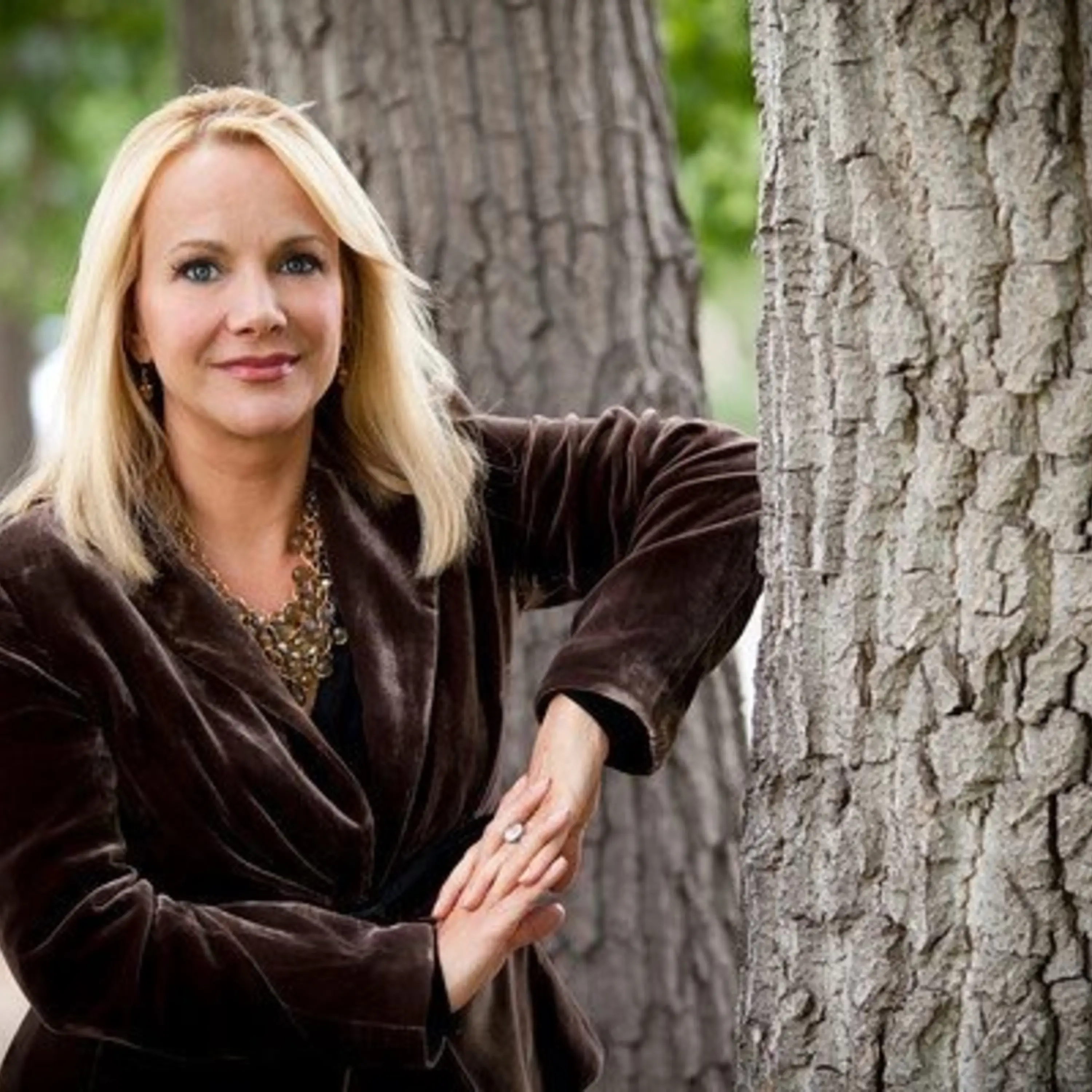

In this episode of The Good News with Angie Austin, we dive into important discussions surrounding leadership and goal setting with academic entrepreneur Dr. Cheryl Lentz. We explore the significance of setting clear intentions, the impact of proactive leadership, and preparing young people for self-sufficiency and responsibility. Angie also highlights the importance of internal and external leadership for tackling life’s challenges, drawing from personal stories and insightful experiences.
SPEAKER 03 :
Welcome to The Good News with Angie Austin. Now, with The Good News, here’s Angie.
SPEAKER 06 :
Angie Austin here with the good news along with Dr. Cheryl Lentz, academic entrepreneur. And we are talking about leadership and goal setting today because you’ve got a lot of students as a professor. And then you’ve had a lot of foreign exchange students come through your doors in the last six months. And so you are working with kids full time. Kids isn’t young people, sorry. And so let’s talk about this whole leadership and goal setting that you’ve been working on them with. Welcome.
SPEAKER 02 :
Good. Hello, everyone. It’s really nice to see you. I think this is a really good example for all of us because all of this really, in my opinion, no matter what someone tells me they’re having issues with, whether it’s relationships, whether it’s stuff at the office, the rest of it all comes down to leadership and goal setting. And most people’s like, well, I set goals of what I want to do. It’s like, great, but do you set intentions for what you want an exchange to look like? It’s the same similar concept of goal setting. When I’m going to have I’m meeting this afternoon with one of my bosses. I have an intention of here’s how I want the meeting to go. Here’s the intention. Here’s the agenda. Here’s that leadership thing that I’m going to prepare for ahead of time rather than the reactive response, which is a, well, I’m going to react in the moment. And students who look at that and understand that they’re in control of that choice, because remember, we show up differently. The rest of the world shows up differently. But when I can point to them that no matter what issue that they’re having, It comes down to a leadership, whether it’s leadership of self or response to leadership in our our external environment. And you have talked extensively about, you know, the idea of goal setting with your kids and what you want them to do. It’s like, great. Can we now granularize it, put it into a little bit? Let’s have a few seconds before we have that exchange with our professor. before we have that exchange with our boss, before we have that exchange for our kids, that we have a, well, what do I want to have happen there? And just take a few moments. The conversation goes so differently, Angie, when you have that. And people are like, yeah, it does. I’m like, imagine that surprise.
SPEAKER 06 :
Well, you have a whole goal setting. I have gone over that with my kids lightly. I don’t know that we’ve really written them down. I think that’d be a good thing for us to talk about tonight during our learning moment. I have an alarm that goes off, and some of the things we’ve taught in the learning moment recently have had to do with… We had a situation where a friend, her husband hasn’t worked since 2008, and my husband said to the kids, he was talking about how you want to marry someone who’s financially responsible and an equally hard worker so that you’re working together as a team for your future because… financial arguments can cause so many problems in marriages. And he talked about being on the same page and compounding interest was one of our talks. Recently, we talked about these kids on Snapchat. There’s a trend on social media right now of like the choking game where you choke yourself and get some kind of euphoria. But some kids pass out and then they die. And my kids all know not to do that. But you have to reiterate these things because it’s a fad. But the other one is this whole fentanyl where they think these kids on Snapchat are able to get a hold of drugs that maybe they couldn’t be, you know, before easily find before. And fentanyl is in so many different goes to China, then goes to Mexico, then comes into our country. And apparently the people making money, you know, in the labs in China, they don’t care how many Americans die. And the people making money in Mexico don’t care apparently how many people die. And so these things are loaded with too much fentanyl accidentally because they’re probably mixing it up in a bathtub or something. Who knows? And so many kids are dying. I just read an article to them about four kids in this high school dying over the course of I don’t know how long, but the fourth one dying of a fentanyl overdose. And they have a friend that took what they thought was a pill, You know, some kind of opioid. She thought it was like a Valium, I think, or Xanax. And she’s still in a wheelchair about two years later and recovering, like learning how to speak again, et cetera, et cetera. And they did not think she would survive. And so…
SPEAKER 02 :
Do you think we’re too trusting these kids are willing to take a pill that they don’t know what’s in it, that they’re just too naive because they’ve never seen the consequences, that we need to go back to the here’s your brain on drugs and show them all these situations you’re talking about about what could happen, or they just are bulletproof and 10 feet tall?
SPEAKER 06 :
Yes. Well, my kids know all about this, but I brought it up in front of some other high school kids and they seemed completely oblivious. And I talked about your drink. There was a girl recently that was hit. Okay. She was at a bar. She was three times the legal limit. Did someone put something in her drink? I don’t know. She left with four boys between the age of 17 and, well, the oldest was 28. So 17, 18, 18, and 28. I think she was a teenager still, not old enough to drink. Left the bar with them, and then there was either a sexual assault or consensual sex in the backseat of this car, allegedly. And then, allegedly consensual, according to the boys. And then they dropped her off and she got hit by an Uber in the middle of the street at 3 a.m. They just dumped her out of the car. So I went over that story with my kids and explained about, you know, you drink a bottled water with a lid on it or you never leave your drink in a bar or establishment, you know, as you get older.
SPEAKER 02 :
Oh, I’ve had to do this with dating 101 with being at my age and dating with the same things of being able to be cautious and almost paranoid because of not. Yes.
SPEAKER 06 :
And not having the person meet you at your house. You meet at a coffee shop or. something.
SPEAKER 02 :
Exactly. And it’s always a struggling. I have a Vegas phone number and now I keep it because it’s very convenient in the dating world that they couldn’t find me because it’s a Vegas number and I’m in Chicago. Right. It’s sad. That’s why I’m looking at the fact that so many people are either not aware of the consequences, which is how I do the leadership aspect is we want to be able to look at spinning out the scenario of the what ifs so they can look at The possibilities and how to protect yourself, because in the event that you don’t put yourself in that situation, you wouldn’t have to be reacting to it. Meaning if you’re not that drunk in a bar, you wouldn’t have had that situation. Not that the girl is ever responsible for what happens to her. I’m not that that’s not my point. But we can increase our odds of good things continuing to happen to us if we can find a way of preventing putting ourselves in that situation in the beginning.
SPEAKER 06 :
Well, and our learning moment is, in fact, I included you and some of your foreign exchange students, because our learning moment is just common sense stuff that maybe parents don’t teach their kids anymore. about manners and about, you know, they’ve learned how to do laundry. They have every night a chore list. And it’s not big. It takes them 15 minutes. One person does the dishes, one the counters and putting the food away and packaging it. The other takes care of the pets, you know, and it rotates. But they have to do those things before they go to bed, even if they’ve had sports. You know, it’s all, you know, got to be done.
SPEAKER 02 :
Do they understand why, Angie? Because I know this is something I’ve had an incredible epiphany with teaching is and we’ve known this since Knowles in 1953, is the adult learner, and I think even the adolescent learner, they just want to know why. Well, you’re not making me do the pet and take out the garbage because you have to teach the garbage. No, I’m teaching you self-sufficiency so that when you are in your own apartment, you know how to keep yourself clean. You know how to keep yourself away from disease. You know how to be able to do your own laundry so that you don’t have to hire somebody. I was just amazed when I went to college how many of the kids weren’t prepared to do all those life skills. And you need that, whether you’re 12 or 55, you know? Yeah, I love it. 12 or 55.
SPEAKER 06 :
So this learning moment with the goal setting, that’s what I’m going to do tonight. Oh, but by the way, I did use your foreign exchange students saying that one group of your students did not know how to load a dishwasher, take care of cell phone problems, take care of computer problems, that they were more like an American 12-year-old. I won’t say which students or where they were from, but that wiping the counter, being courteous, you know, because they are so wealthy in their own country that maybe they’re entitled here and they really don’t know how to do the basics of laundry, et cetera, driving, et cetera, and that they’re used to having, you know, the chauffeur, the chef, the maid, and that’s not the American experience.
SPEAKER 02 :
But there are some who do have that American experience when it’s the same principle, and I don’t think that it matters. Maslow would say it doesn’t matter whether you’re from India, Japan, or from Australia, right? These self-sufficiency skills in order to perpetuate an independent, self-sufficient adult is what we’re looking at. And for some that come from maybe a wealthier condition, whether it’s in the upstate New York or if it’s in upstate England, for that matter, the same skills apply. A 20-year-old here is a 20-year-old everywhere, and we need to prepare our students. And I see so much that my job in the classroom is supposed to prepare them for teaching leadership, for example. But they don’t see necessarily of all the other life skills that’s part of self leadership and self sufficiency. possibly why some of these kids are set up to fail when they’re out on their own or they’re afraid to be out on their own because their parents may do too much for them. And that may be the hardest part of all is doing for them out of love may be actually the wrong thing to do is to let them do for themselves so they can do for themselves.
SPEAKER 06 :
That’s a good point. So when I discuss goal setting with the kids tonight and leadership, what are some of the things you’re teaching your students?
SPEAKER 02 :
I would ask them why. It’s like, tell me what the important is. Let’s spin this out that I’m not just harping on this. It’s not just Dr. C being on her soapbox. I want them to come to the term of why am I teaching you this? Because especially with my doctoral students, the biggest argument I have is you can’t blame me when you’re in your oral defense and you’re defending your final study. It says, oh, well, Doc C made me do it. No, that will never come up or they’ll fail. I want to know why did Doc C ask you to do that? Why did Dr. Smith on the committee ask you to do this? Why did any of your teachers, undergrad, master’s, associate’s degree, it doesn’t matter. The question is, I want the student to know, well, the reason you’re asking me this is because you want to be able to prepare me to be self-sufficient so that I can become the independent thinker. Absolutely. Now, why is that a point? So I go through this whole litany of why, why, why, and they’re like, All right, I’ve got to be able to do this and I have to be able to do this. And when this goes wrong, I have to see it. So I’m training them to help so that they can do instead of me doing for them. And a few of my students, I annoy them because I will say, I’m not going to give you the answer. Of course, I know the answer. I’ve been teaching 23 years. I’m going to teach you how to find the answer because you need to be able to do that. And the helping hand is the one at the end of your wrist.
SPEAKER 06 :
Not mine. Oh, my gosh. You and my husband would love each other. I mean, he is the king. He loves seeing millennials come into work, and it’s a startup. I mean, they’re 10 years in, but it’s not like they have an IT department or an HR department. And so let’s say there’s 12 of them. They’ll be like, oh, my computer came in. Who’s going to set it up? And my husband said, you’re a millennial. You know how to set up a computer. So he said so many people come to him with problems that he used to fix them all, you know. And now I feel like he’s tough on our kids sometimes because he’ll be like, you know, I need to get the oil changed and go get everything you need to do an oil change because I’m going to teach you how to change the oil. And I’m like, well, could we tell him, like, what kind of oil to buy? Or could we, you know, put it in the cart for Sam’s Club? So, you know, the, you know, online app cart. So, you know, he can just go pick it up. So, you know, or, you know, like the pan. Do we, you know, do we get that? Does he get that? And my husband made him get everything. I mean, I ended up buying the oil with my husband because we bought it in bulk because we had, like, I don’t know, four cars. So, yeah. They were in the garage with the heat on, changing all the oil and learning all that. And he’s going to teach the girls and my son how to change a tire. That’s the next thing.
SPEAKER 02 :
I love it. Well, here’s what I would recommend is we do something called lecture wrappers. We’re going to teach them the process, but not the final answer. So I’m going to teach them. So if we were talking about cars, my response to your husband would be something like this. All right, today, kids, here’s what we’re going to do is I’m going to be able to show you here’s the end result. We’re going to be able to teach you how to change your own oil. We’re going to be able to teach you how to be able to buy all the products. We’re going to teach you how to be able to get everything. So by the time we finish today, you’re going to have all the skills you need to have done all of this yourself. So now they get the game. Now you’re going to have to back up the truck and you as the parents to find out what level of detail are they ready for at their age to know to just say, hey, figure it out. Here’s your car. Here’s the website. Here are the things you know. And you teach them parameters. You give them the boundaries. You give them the tools. And then you say, here’s the end result. Go find it. Or you do it with them or you’re able to be able to show them. And again, it depends on the student maturity. But if you tell them the goal is and you give them the end result, they said, oh, so the reason we’re doing this is so when dad’s not here, I can do the oil myself. I’m like, you got it.
SPEAKER 06 :
Yes. And, you know, when we’re at the airport, we’re almost out of time. But when we’re at the airport, I remember once my husband said, well, here’s the keys. Go find the car and bring it around to, you know, passenger pickup. And I said, do you mind going with him? Because it’s a huge airport. Because I didn’t want to be stuck there waiting for two hours. I said, you don’t have to say anything to him. You just follow him and see if he can figure out how to do it and to get the car in the right place. And he only made one wrong turn getting to the passenger pickup or whatever. But he located the car and did it all. But I wanted my husband to escort him. DrCherylLentz.com. Always a joy to have you on the program. Thank you so much, friend. Talk to you next week.
SPEAKER 02 :
Absolutely. Thanks so much, Angie.
SPEAKER 1 :
Take care.
SPEAKER 01 :
Arc Thrift loves your gently used clothing, furniture, and household items. But did you know they also accept non-perishable food donations year-round? Arc Thrift partners with Volunteers of America to help supply more than 70 food pantries across Colorado, from Pueblo to Northern Colorado and all the way to Grand Junction. So when you head to the store, be intentional. Grab a few high-protein items like peanut butter, canned beans, tuna, chicken, soups, or pasta, and bring them with you when you donate or shop. Instead of cleaning out your closet, clean out your pantry. When shopping at or donating to Art Thrift, you’ll be helping families in need, supporting people with intellectual and developmental disabilities, and keeping good items out of landfills. Find locations, donation centers, and details at ARKthrift.com. ARKthrift, giving items a second life and giving people real hope. Julesburg is listening to the mighty 670 KLT.
SPEAKER 06 :
Hello there, friend. Angie Austin here with the good news. And I just want to talk to you a little bit about overall health. We’ve got a really important segment coming up, a doctor and another gentleman joining us in a few minutes with some important, you know, health and health news. But I want to start off with three small morning habits that will greatly change the rest of your life. You know, we all know if we want to prevent cancer and be healthy overall, live a long, healthy life. that, you know, we need to take care of our diet and exercise and get enough sleep. Well, this is just interesting. This is morning habits. It’ll keep you kind of on the right track. Remember that military, you know, mucky muck that was saying make your bed in the morning? Well, this says wash your dishes. I just think in general, like an ordered life leads to a more ordered mind. And so, you know, just getting all those little things done and kind of starting off that way. I actually like hand-washing dishes, oddly enough. I find it kind of calming. I don’t always make my bed, but when I do, I just feel like my room is really put together, you know? Okay, number two. These are morning habits to keep your life on the right track and be healthier. Use exercise to train your brain and mind for 15 minutes. In the morning, it’s good to get up and do some stretching and some breathing. I like to take the dogs out in the backyard. Then I do an hour as well. I do an hour of the resistance bands and the walking. I’d say at least five days a week. And then sometimes I do those spurts of five minutes. Remember, I was in that study and did a study specifically about doing five minutes bursts of exercise. I just do the steps at my house for five minutes. I’m supposed to do it nine times a day. I don’t always make it to nine, but I guess it’s a really great way to prevent diabetes. That’s what the study was all about. So they took people that have diabetes that runs in their family and they had us do exercise in five minute bursts throughout the day. But it also gives you more energy. That was one of the big things it did because if you’re feeling kind of sleepy and then you do five minutes of stairs, you wake up. So it really makes your day a lot more productive. So this morning tip about using exercise to train your mind and body for 15 minutes or less, I used to do like these walks on the sand where I’d kind of meditate or pray in the morning. And when I lived on the beach, obviously, now I’m in the mountains, it’s a little bit different. But I just think that exercise is one of the greatest ways to calm your mind, reduce stress, and overall just be a healthier person. And then they talked about another habit, establishing presence through meditation. I’m not calm enough to do meditation, so I do journaling. I find that really calming for me to write down my thoughts and maybe things that have come to fruition that I’ve put in my journal prior to. So, uh, inconsistency is everything. I think like having a plan, you know, as, as, as quirky as my dad was, he had like a certain routine he’d follow every day. And I think that’s because I think he was on the spectrum and I think it helped him keep like his mind organized to do Tai Chi. You know, I think he did that twice a day. He played chess every day and he just had these routines where he would do certain things every single day. And it just helped him, uh, In my opinion, I think it helped him stay calm. That’s what I think the big thing was for him in terms of his mind and staying calm. All right, so I told her we’re going to be talking about health. If you’re just joining us, this is Angie Austin with The Good News. Welcome to the program. Did you know that colorectal cancer is now the deadliest cancer for those under 50? And a new report is sparking an urgent call for increased awareness, more screening, and accelerated research. And did you also know that ARC is one of the most preventable cancers and one of the most treatable? And I mean really preventable and really treatable if found early. Joining us is Dr. Cedric McFadden. Dr. McFadden is a board-certified colorectal and general surgeon. and teaches as an associate professor of surgery, and Jeremy Drennikoff. Jeremy’s mother, Joanna Drennikoff, was diagnosed with CRC in 2014 at the age of 46 and died two years later in 2016. And since then, his family has created a March 4th event to raise screening awareness. Welcome to both of you.
SPEAKER 05 :
Thank you so much for having me. Thanks, Angie. I appreciate it.
SPEAKER 06 :
All right, let’s start with you, doctor. Why are we seeing colorectal cancer rising so quickly in adults under 50? I think a lot of us that are younger think, oh, it couldn’t happen to us, but then you hear about Joanna, 46. Yeah.
SPEAKER 05 :
The short answer is we don’t know exactly. There’s not a single cause, I think, that will be all incomprehensing. I think the big one is a combination of diet changes and and the way the types of foods that we eat, our more sedentary lifestyles, even research into this gut microbiome is all the living organisms that live in our gut. Those are all contributory. But they’re also, I think, the misnomer that young people can’t get colorectal cancer, and that’s what we’re here to combat because one in ten folks diagnosed, they’re under the age of 50 now. and why we need to sort of bring this attention to those signs and potential symptoms and risk factors so people can be tested.
SPEAKER 06 :
All right, let’s talk then about symptoms because I know this is something that, you know, even, okay, so it runs in my husband’s family. So we had him tested really, really young. And then grandpa, who’s in his 80s, he’s had polyps removed already, so he would be dead had we not done the testing. And then aunt… The aunt did not do the testing even though she ran in the family and she died quite young. And so that just says to me, oh, well, I just need to get my husband tested a lot because this is preventable or treatable if it’s found early. And we started getting him tested, I think it was like 40. He went in for his first big deal. In fact, we did couples colonoscopies, Jeremy. You should suggest that for your people. We laughed because I was in the next area, and my husband goes, yeah, my wife’s here. We’re here for couples colonoscopies, and everyone was laughing. They thought it was hilarious. All right, so getting back to the serious stuff, what symptoms, Doc, should never be ignored, even if you’re 20s, 30s, 40s?
SPEAKER 05 :
Well, I co-sign on the couple’s colonoscopy, first of all. But the real big ones are blood in the stool, even if it happens just once, changes in your bowel habits, belly pain, or even just having unexplained weight loss or ongoing fatigue. Those are signs and symptoms. But the reality of it is, in many cases, there are no signs or symptoms present. and we only find out someone has the cancer when we do a screening colonoscopy or a screening exam, which is why it’s important that all of us kind of know what those risks are, going to GetScreened.org as it helps you walk through the steps of when you should be screened and what are the best screening options for you, a phenomenal site to just give a personalized approach, so GetScreened.org.
SPEAKER 06 :
Well, Jeremy, I’m going to skip over to you real quick, and then I’ll get back to you, Doc. Your mom diagnosed at 46 and passed away just two years later. I really admire you for your passion for getting the message out to other people to get screened earlier because the old rule was 50, so your mom hadn’t even neared really yet for several years, the age where they were saying, hey, you should have your first colonoscopy. So let’s talk about your mom and now your passion for helping others.
SPEAKER 04 :
Absolutely. Well, first, I’m sorry to hear about your family members and your husband’s side. That’s really terrible to hear. That’s why we’re here to talk about this, right? And to talk about my mom a little bit. Like you mentioned, my mom was diagnosed at the age of 46 and died less than two years later. And obviously, it turned my family’s life upside down really, really quickly. And we try to turn our pain into purpose. We’ve done many things to do this. Obviously, I’m here today to provide some hope, provide some light, and hope people can go get themselves screened. But my family has launched an event called March 4th, which is a 5K geared towards ending colon cancer in our lifetimes through awareness and prevention. We’ve done a couple things. It has a dual meaning for us. March 4th is a term for moving forward and marching forth for Joanna. But it also is a double entendre for us is she died on March 4th of 2016, 10 years ago today. So I would really just urge everybody to please get themselves screened because it could be the difference between life and death.
SPEAKER 06 :
Absolutely. And speaking of which, let’s jump back to you, Doc. But let’s talk about that early screening and why it’s so critical to have the early detection in terms of survival. What’s the difference between it being caught early versus late?
SPEAKER 05 :
Yeah, so when we do a colonoscopy and we’re able to remove a polyp that is precancerous, it no longer has the opportunity to create a cancer now. It’s gone. Additionally, when we do a colonoscopy and we find an earlier stage cancer, you know, survival rates are greater than 90%. We have more options to treat and patients have better outcomes. So it really is a win if we can get to these areas, obviously, before it becomes a cancer as a polyp, but also in the earlier stages.
SPEAKER 06 :
All right. Let’s jump back to you and talking about your mom, Joanna, a little bit. That personal loss, you know, turned, you know, your family into action. What would you say to someone that’s putting off, you know, kind of going, ah, you know, it’s not that big of a deal. You know, it’s really a pain. You know, you can’t eat for a couple of days. You have to take all that, you know, drink all that gross stuff. And actually, I know the procedures have gotten better over the last few years in terms of, you know, what you go through prior to the colonoscopy. So what would you say to someone that’s stalling?
SPEAKER 04 :
Well, probably, Angie, I’d say two things. One is, I mean, along with really being a fun couples activity, it’s a really good nap. I think that’s the first thing I’d say. And the other is, you know, my mom was diagnosed at the age of 46 in 2014. The age for screening was lowered in 2021 from 50 to 45. If it was 45 back in 2014 and my mom was, you know, now 46, she was 45 or even younger than that, she might still be here today. So I encourage everybody to please get screened.
SPEAKER 06 :
Yeah, I mean, Doc, when you explain it, and you’re right, Jeremy, she could be because just, you know, grandpa’s gone in several times and had the polyps removed. It’s just amazing to me that like that stopped him from dying.
SPEAKER 04 :
You know, I mean, you know, it’s all preventative care.
SPEAKER 06 :
Yeah, it’s just wild. Okay, so diet, exercise, we keep an eye on that. And the Colorectal Alliance is calling for faster progress through Project Cure CRC. Why is accelerating research so critical right now, Doc?
SPEAKER 05 :
Well, that research is all aimed at improving access to personalized treatment options, which we know can improve the outcomes for our patients. And that’s one of the goals that we’re focusing on. And it’s also regarding understanding that even if you’re diagnosed early or later stage, if we can create a plan that is more accessible for you but also has a tailored approach instead of a sort of one-size-fits-all approach, your outcomes will be improved.
SPEAKER 06 :
All right. One more question for you, Jeremy, because I have a little more time, and I think your personal story should really open people’s eyes. What do you wish that more people understood about how fast colorectal cancer can really turn a whole family’s life upside down?
SPEAKER 04 :
Listen, I think as I mentioned before, it’s important to just be getting screened early on. As Dr. McFadden has mentioned here, the age of screening has been lowered from 50 to 45. But those folks, you know, between 45 and 50, three out of those, three out of four of those people are getting diagnosed in later stages. So it’s important to not just be paying attention to your symptoms, but getting to get screened out or to find out what makes sense for you. And I’d also urge everybody to head to colorectalcancer.org slash MARCH. for not just information about screening options, but ways to take action like my family and I have to try and end colon cancer in our lifetimes.
SPEAKER 06 :
My recommendation, too, would be just to add in there because I obviously care about my husband not getting it, that when I found out when his aunt got sick, et cetera, I said, well, we’re going to go to the doctor. Of course, I schedule all the physicals and stuff. I said, we’re going to go and tell our doc that we want you tested at 40 because you have a family history. He’s like, well, that’s not really the protocol. That’s not the norm. I said, we don’t care. And so, you know, you can advocate for yourself. We have insurance for a reason, even if you have to pay for it out of pocket. I think that just peace of mind is so important. And so we started even earlier than the recommendation. And I think if it does run in your family, that it is up to you to go in and advocate for yourself if you would prefer to get tested earlier. So, doctor, thank you. Jeremy, thank you so much. And where do we go to get more info?
SPEAKER 04 :
You can head to, for both places we mentioned here, colorectalcancer.org slash March, or head to getscreened.org for more information. Thank you, Angie. I really appreciate the time.
SPEAKER 06 :
Hey, and thank you for all you’re doing for others, because I know it’s not easy for you, Jeremy, to talk about it. And, Doc, thanks for all the people that you’re helping as well. Thank you, Angie. You bet.
SPEAKER 03 :
Thank you for listening to The Good News with Angie Austin on AM670 KLTT.