
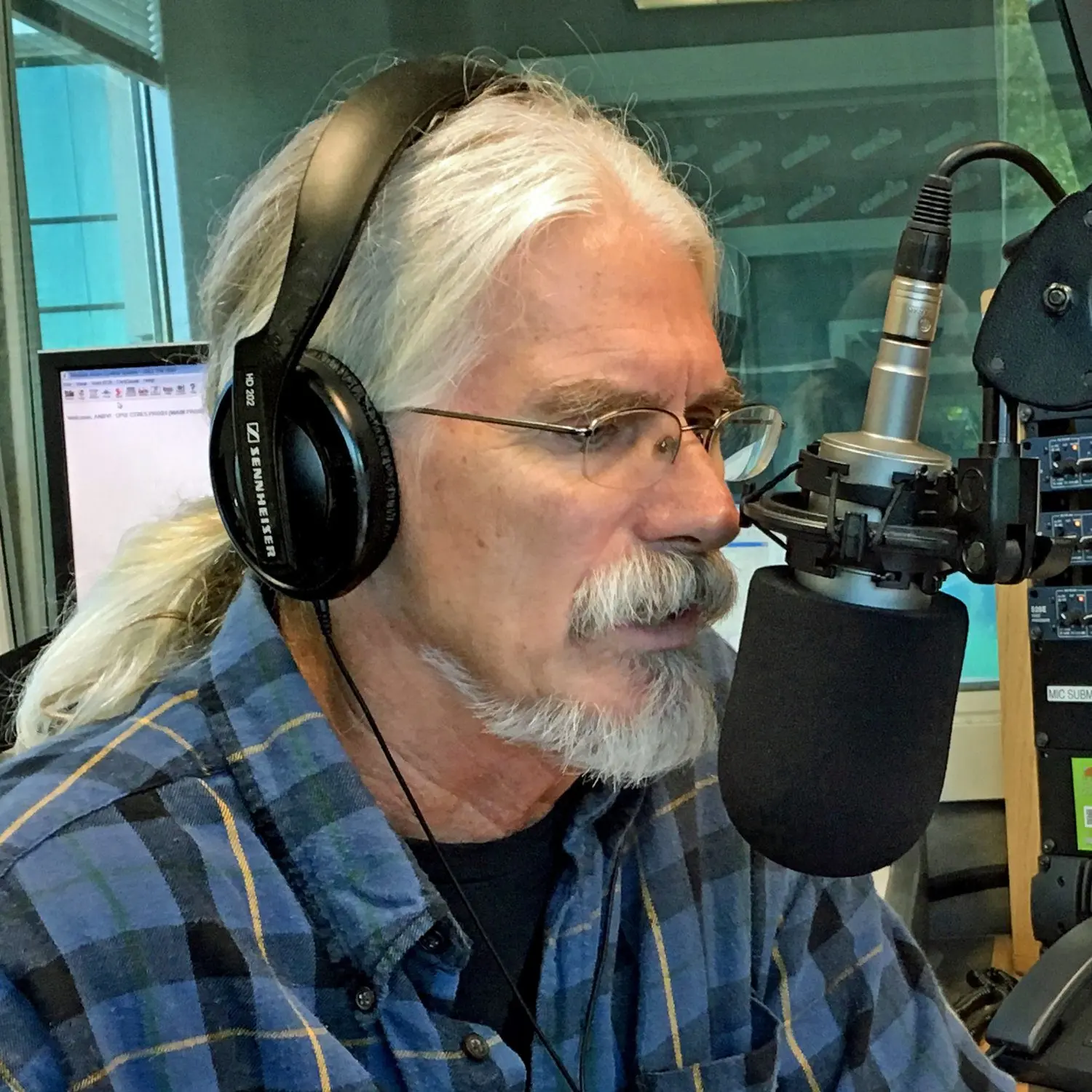
In this engaging episode, host Steve Gregg offers insightful commentary on various topics concerning faith and Christian practice. Opening with a candid discussion on biblical principles surrounding dating, Steve contrasts ancient practices with today’s norms, emphasizing the importance of maintaining integrity and seeking God’s will in romantic relationships. He also shares personal stories that offer a refreshing view of courtship rooted in community and friendship. Steve addresses pressing questions from listeners about the role of self-esteem in personal development and its alignment with Christian values. Moreover, he provides a thoughtful analysis of holiday traditions, questioning their origins and evaluating
SPEAKER 1 :
Thank you. Thank you.
SPEAKER 04 :
Good afternoon and welcome to the Narrow Path radio broadcast. My name is Steve Gregg and we are live, as is usually the case, Monday through Friday at this time. The live broadcast provides an opportunity for real-time interaction between you and me if you want to call in the program. If you have questions about the Bible or the Christian faith, Or if you have a disagreement with the host. That’s basically the two things we talk about. If you have any question about the Bible or the Christian faith, we’ll discuss that. Or, if you’ve already heard me give an answer to somebody and you say, I don’t think that’s right, and you want to balance comment and correct it, you’re always welcome to do that. The purpose of the show is not to showcase the viewpoints and personal opinions of the host about things. Everybody’s got an opinion, and I have one too, but This isn’t really about my opinion. This is about searching the scriptures. And if I’m wrong, you do me a favor by showing so. And so I don’t have any problem if you call to disagree. In fact, I actually kind of enjoy those calls in some respects best. So feel free to call, but not right now because the phone lines have just filled up. So there’s no place for your call to come in. But get this number anyway because within a minute or two or three or four, Lines will open up, and then you’ll be able to get through. The number to call is 844-484-5737. That’s 844-484-5737. I have an announcement to make about today and tonight and Friday night and Saturday night. I’m in Boulder Creek in the Santa Cruz Mountains right now, but I’m going into town after the show. And I’m going to be in the studio of a local Santa Cruz station, KSCO, which is AM 1080. This is not a Christian station. It’s a secular station. And most of the people who work there, maybe all the people who work there, are not Christians. But they’re my friends because when I lived in Santa Cruz many years ago, I actually – bought time on that station on Sunday nights and had a Christian program directed to non-Christians. It was a talk show like this. But I told the people, I’m a Christian, but I don’t want Christians calling in. I want people who are not Christians calling in. I want to talk with you about your worldview. I want you to share with me what you believe and why. I’d like to share with you what I believe and why and have a conversation. I did that for 52 weeks on Sunday nights at this station where I bought time. And I was the only Christian there except at that time. The general manager was a Christian, but he’s no longer there. But he’s still in connection with him. But one guy who was there, the guy who screened my calls for me on those Sunday nights, goes by the on-air name Dave Michaels. And he now, this year’s later, my show was like 17 years ago or something like that. He now has the whole afternoon, weekdays, his own talk show, And he’s had me on as a guest at least once before. And since I’m in town, he’s had me on as a guest today. So from 5 o’clock to 6 o’clock Pacific time. I’m going to be a guest on his program. His program, I think it’s called Flight 1080. 1080 is the dial number for the station. You can listen live online. In fact, if you go to our website, thenarrowpath.com, and click the tab that says Announcements, you’ll find that the actual website, the actual program, The link to go to to listen to the show live is there. You can do that. And that will be from 5 o’clock to 6 o’clock Pacific time. And then an hour later, I’m speaking in Santa Cruz. Michael Olson, who is the former general manager of KSCO, whom I met when I was doing programs there, And he has set up a gathering. He does every year for me to come here to Santa Cruz. And I think he calls it a Bible challenge. And he’s advertised it as the great debate over the resurrection of Christ. It’s me debating me. So I guess we couldn’t get an actual opponent to debate me. So I’m going to debate both sides of the resurrection of Christ. That’s tonight at Pasadena in 7 o’clock. Anyway, so those things are happening today. I’m doing those when I’m done here. I’m going to go do that other show from 5 to 6, and at 7 to 8.30 we have this other gathering, both in Santa Cruz. Long way of explaining it, but that’s what’s going on. Now, on Friday night and Saturday night, I’m still away from home. I’m going to be teaching in Monterey on Friday night and in San Jose on Saturday night. So if you’re in any of those areas, you can join us if you want to. You need to go to our website, thenarrowpath.com, look under announcements, and the time and place of those meetings will be listed there. All right, enough about me. Let’s talk about you. Caesar in Burbank, California. What are you thinking about?
SPEAKER 09 :
Good afternoon, Steve. Thank you for taking my call. I was just curious, how should two Christians biblically date?
SPEAKER 04 :
How should Christians biblically date? That’s a really good question. And the reason it’s a bit of a challenge is because dating, as we know it, was not something people did in ancient times. People, of course, paired up and got married. They got engaged. They got betrothed and got married. But generally speaking, that betrothal and that marriage did not come at the end of a period of dating, and certainly not dating around multiple people. It just, the whole idea of dating around and finding a mate that way is ultra-modern. Even in early America, they didn’t do it that way. And most ancient societies didn’t. So the Bible doesn’t even know of anyone who did that and therefore doesn’t address it. Now, does that mean we shouldn’t have dating? Well, there are some drawbacks, but I’m not saying it’s immoral to have dating. It depends on whether it’s immoral or not. That is to say, whether you do immoral things. But also it has to do with what you’re doing to another person’s heart. The main thing we need to remember is that whatever we do, We need to do for the glory of God, and we also need to be doing to others what we would want to have done to us. Now, there is a case to be made against even dating. There are other things that can happen. For example, many years ago, many of you know I was married in 1980 and my wife was killed in an accident that same year. But the way we connected was we didn’t really date, at least not until we were engaged. We were part of a group of young Christian single men and a group of young single women just did things together. We lived in Southern California, went to the beach together, went to church together, went out to eat together. after church, all of us. There was no pairing up. There was just friends. And in that context, over a period of time, I just discovered that I was very interested in one of the young women that was available. I didn’t know if she was interested in me or not, but I just, you know, we weren’t dating. We were just in a group of people who weren’t, there was no pretensions of romance. There was no one trying to impress other people. It was just Christian fellowship. But in that context, it turned out we both were very interested, and so I did take her out once, intending to propose to her. Now, you might say, you hadn’t even dated her. That’s right. We hadn’t dated, but we’d been out together with other people a lot of times. I had gotten to know her pretty well in a real-life situation. Marriage is real life. Dating is usually not real life. Dating is everyone on their best behavior. Dating is people trying to impress each other, trying to win each other. And, you know, I’m not saying it’s entirely fake or anything like that, but it’s just not real life. Once you’re married, you don’t keep trying to impress each other and win each other. Hopefully you don’t have to. But real life is where we met and got to know each other without dating. And then, of course, I did take her out, and I intended to propose to her, but the funny thing is that something she said made me think she wasn’t interested, so I chickened out. But then I still wanted to marry her, so I took her out a second time, and I proposed to her, and she said yes. So anyway, I’m not saying it has to be done that way, but I’ll say – It certainly prevented a lot of temptation and compromise and stuff that happens even among Christians when they date. I’m not saying that everyone who dates is compromising necessarily. But let’s face it, when a man and a woman who are single, who are attracted to each other, are out alone at night somewhere, bad things often happen. They don’t always happen. But they often do things that Christians should not do. And so there is something to be said for alternatives to dating. What did people do in biblical times? Well, it was different then. People didn’t move all over every few years, move to a new town and stuff. They all lived in the same village for generations. And they knew each other. Everyone knew everyone else in the village. And so a man who married a woman, generally speaking, had grown up in the village with her and knew her all his life. And what happened was if the boy wanted to marry a certain girl, he’d tell his father. And his father would go to the girl’s father and say, my son’s interested in marriage. Is your daughter interested? The girl’s father would go to the girl and say, are you interested? This guy wants to marry you. If she said yes, then they were betrothed. If she said no, then the boy had to move along and look for someone else. But they didn’t date. They didn’t need to because they knew each other. And this is the thing. One of the most important things about marrying somebody is to really know them, to know them well. And simply dating in a sort of recreational romantic setting isn’t the best way to really know somebody because, like I say, they’re not being themselves completely. But if you get to know someone in a real-life situation – whether you’ve known them all your life or you go to church with them in a social group that you’re both part of and there’s no pressure, the hormonal thing isn’t going on, it’s a lot safer. I’m not saying you can’t date. I’m just saying, because the Bible doesn’t forbid it. It’s just that the Bible knows nothing of it. One thing Paul said to Timothy was that he should treat young women, because Timothy was a young man, he should treat young women as sisters with all purity. Now, if two people go out on a date, they can still treat each other with all purity like brother and sister. That’s not, generally speaking, what people are thinking of when they go on a date. But it is possible. You can get to know someone one-on-one over a period of time. One thing I would say is that the involvement of parents is really a good thing if it can be done. Now, of course, if you’re a Christian and you’re looking for a Christian girl, she might come from a non-Christian family. In fact, her parents might not be approving of Christianity at all, which is a problem because you don’t really want to marry somebody if their parents don’t approve. I mean, you might. You might do it, but it’s not going to make a smooth situation if her parents don’t want you in the family. Sometimes marriages survive with that situation, but it’s certainly sub-ideal. The ideal, I think, is for the whole family to eventually get to know each other. And you can see her family and say, are these the people I want to have as my family too? Because if I marry her, they will be. Do I want this guy for a brother-in-law? Do I want this… person for a mother-in-law and both you know the ideal is to really get to know each other whole families and so forth in a very situation in no sense sexually charged at all that’s those are the principles i would have in dating now i will say i heard a story once which i repeat often and that is a son asked his father the son was going out for his first date with a girl And he was a Christian son. And the father was a Christian. And apparently so was the girl. And the son said to his father, Dad, I don’t really know what to do on a date. And his father said, well, I thought you were going to go out to dinner and go see a movie together. And the son said, well, that’s not what I mean. You know what I mean. I don’t know what to do with her. And his father said, oh, okay, well, how about this? Do you think you’re going to marry her? And the son said, well, I hardly know. Probably not. You know, never know. And his father said, well, do you think that the girl that you will someday marry might be going out with somebody tonight that she’s not going to marry? And, of course, the son said, I don’t know. I don’t know who I’m going to marry, and I don’t know. But it’s possible. It’s possible that my future wife is going out tonight with somebody else. And his father said, well, what would you like that man to do tonight with your future wife? He said, Jesus said, what you want done to you, do to others. If you’re with somebody else’s future wife, well, what would you want done with your future wife if another man is with her tonight? That’s a pretty good way of deciding how to date, if you’re going to date. Anyway, those are some thoughts. I have a lot of teaching on this general subject at our website, Under the series, The Radically Christian Counterculture, a series called Toward a Radically Christian Counterculture, there’s some lectures on the pursuit of a mate, and it talks about dating and these kinds of things, too, where I also say some of the things I just said, but more. Anyway, Cesar, that’s the best I can do for you. I’ve got a lot of people waiting.
SPEAKER 09 :
Okay, thank you.
SPEAKER 04 :
All right, God bless you, man. Howard in Boise, Idaho, welcome to The Narrow Path. Thanks for calling.
SPEAKER 07 :
Hi, Steve. I was reading in a missions report, there was a ministry that taught women how to read, how the women learned how to do skills. They realized that they could actually help their kids do homework, you know, that they had value. Now, that sounds a lot to me like self-esteem and self-love. How would you relate those?
SPEAKER 04 :
Let me see if I can put that together. You’re talking about people teaching women to read, which results in them feeling better about themselves, having more sense of self-worth, self-esteem. Is that what you’re talking about? Yeah, in cultures where women are debased. Right. Well, I don’t know that we… I don’t know that our focus should be on teaching people to have self-worth or self-esteem. It depends on what we mean by those terms. I think we should make ourselves and others worth as much as possible. I don’t think my goal should be that I have a sense of self-worth. My goal should be that I am worth something, whether I know it or not. If God thinks I am, I need to be the best person that God wants me to be. which will make me a person who’s worth something. And I don’t do that so that I’ll feel good about myself, but so that I will have value to other people and value to God and be able to, you know, that the world would be a better place because I was here than it would have been if I hadn’t been here. In other words, I should be committed to self-improvement to the degree that I think it will enhance my usefulness and my, you know, my fruitfulness and my value to others and to God. And, you know, if I do become, let’s face it, a person who can read in most situations is worth more than someone who can’t. For example, you can tell by the wages that are paid to somebody who can read as opposed to wages paid to someone who can’t read. Generally speaking, you’re worth more. If you can speak two languages or three, you’re worth more yet. I mean, there’s lots of things, lots of skills that make you valuable to people. And there’s things you can’t do lacking certain skills. A person can’t read. They can’t learn on their own as well because they can’t read. And there’s other things that reading allows you to do. like dysfunction in normal life in most cases, which you’re handicapped by if you don’t. So I think if women are illiterate, I mean, if there are illiterate women who are being taught how to read, that will increase their value, not their existential value as human beings. but their value to society, their value to the church, their value to God, that God can use them in more ways. Now, most of us can read, but if we can’t read, we may still feel like, you know, maybe I should learn a foreign language. Maybe I should gain some kind of a skill that I lack that would be useful. We should always be interested in proving and becoming the best version of ourselves that God has gifted us to become. Now, will we feel good about ourselves? Probably. Not necessarily in a proud way. Now, if you become an expert at something and everyone else is worse than you, you might get proud. And that’s not good. If that’s what self-esteem means, if self-esteem means I’m really valuable compared to everybody else, I’m not just an ordinary person, well, then that attitude obviously stinks. But if you actually do have value, there’s no virtue in telling yourself that you don’t. I mean, if you have a gift… Let’s just say you’re really a good preacher. And, you know, you don’t want to dwell on I’m a good preacher. That’d make me proud. But if people tell you you’re a good preacher, there’s every reason to say, well, thank God for that. Because that’s what I do. I preach. I’d be much worse if I wasn’t a good one. But the point is, there’s such a thing as valuing. The fact that you have gifts, valuing the fact that you are competent in some things, maybe some things, some categories where competence is not very common among people. The more you can make yourself useful to God and others, I think the better it is. So I’m all for teaching people. any illiterate people to read. I think everyone should learn to read if it’s possible. Obviously, many people have survived throughout history without knowing how to read. But just think how much more they could have done if they could read. So, you know, if you’re concerned because the people who are teaching literacy to these women are saying now they’ll have better self-esteem. I’m not sure what they mean by that. You know, I can read, but that doesn’t make me feel especially superior to anyone because most people can read. But on the other hand, if it means it’ll give them more confidence going into the workplace or going to school or something like that, Well, that’s true. I mean, if self-esteem just means confidence, like you don’t feel like you’re too inferior to function in the competitive world, it’s good to have confidence as long as it’s not pride. You know, pride, you don’t want to be a proud person. But there’s certainly nothing wrong with saying, hey, I’m pretty good at this. I can use this. God can use this to help people. That’s knowing that you can do something and knowing that there’s value in it isn’t pride. Although, of course, some people are proud people, and that may become one of many occasions to pride in their life, it doesn’t necessarily predict for pride, in my opinion, or doesn’t equate to pride.
SPEAKER 07 :
So when you disagree with the people trying to build self-esteem or love yourself or something, the main difference is, you know, is this going to be something useful to the Lord as opposed to just me thinking proudly?
SPEAKER 04 :
Well, if I just want to be better just because I want to feel better than other people, that’s obviously not humble. But you can say, I want to be better because I believe in the range of things that God may wish to use me in. it would be very important for me to get better at this particular thing. That’s not pride. Pride is a sinful, self-centered, you know, inward competition you have with others to be the best and be admired and to beat them out in a competition. That’s not – that would be pride. But, yeah, I mean, just to want to be better than you are, to be able to be more functional. No, I don’t think that’s pride. Although some people might call that self-esteem, the Bible doesn’t use the term self-esteem. So when someone says, well, is self-esteem bad? I think the wording sounds kind of contrary to Christianity, but on the other hand, it may be being used in a way that isn’t. You’ve got to ask what they mean by self-esteem. If it just means that these women, once they learn to read, they can function more confidently in the workplace and so forth, I’d say, yeah, I don’t see anything wrong with that. There’s no sin in that. I appreciate your call. Sean in Vallejo, California. Welcome to The Narrow Path.
SPEAKER 03 :
Yeah, Vallejo, Steve, in the Bay Area. But thanks for taking my call. Quick question in regards to whether or not Christmas and Easter are pagan holidays and if Christians should observe or celebrate the resurrection and celebrate the birth of Christ during that time of year. And if so, if we participate in those events, um in those days you know like with the christmas tree and with the you know the children having an easter bunny and eggs is that are we worshiping idols you know in a sense well not if you’re not i mean some people worship idols very possible it’s not hard to imagine that people could turn any holiday into something pagan uh
SPEAKER 04 :
Now, as far as celebrating Easter and Christmas, in the New Testament we don’t read that any of the disciples ever celebrated holidays like that. But we don’t read that they condemned celebrating holidays. Celebrating the resurrection of Christ, as we read on Easter, That was something I think the early Christians understood that their whole life is a celebration of the resurrection of Christ. That the resurrection of Christ is the defining thing that makes them Christians. And being Christians is what makes them who they are. And they live their lives, you know, in a worldview that is dominated by the fact that Jesus rose from the dead. He’s at the right hand of God and he’s reigning over the universe. That’s kind of the whole mentality there. That makes one a Christian. Now, if you want to take a special day out of the year to focus on it in a different way, I don’t see any sin in doing that. But the early church didn’t see a necessity of doing that, apparently. I think they just lived their whole lives as a celebration of the resurrection of Christ. And likewise of the birth of Christ. There’s no evidence at all that anyone was celebrating the birth of Christ during the first century. And they never really even preserved, at least in Scripture, any knowledge of when Jesus was born. Now, a good case can be made, and I’ve read about this just in the past year or two, things I didn’t know because I’d heard otherwise. Maybe I’ve heard what you’d heard, that I heard that Easter and Christmas were adopted by Christianity from pagan religions. As it turns out, there’s not really any evidence historically of that. It is true that some things are practiced by some people in the celebration of Easter that might have some connection with some pagan ideas, though they don’t have to be. The question is, am I celebrating a pagan god? Not if I’m not. You know, what are you doing on Easter? Well, you might be celebrating a pagan god if you are a pagan and you worship pagan gods. If you’re celebrating the resurrection of Christ, I can’t think of anything more pure and harmless than that. Now, someone says, yeah, but pagans, they celebrated that day too. Well, so what? You know, you know, Today is, well, not today, but tomorrow is Thursday. Thursday is named after Thor, a Nordic god. But we still call it Thursday. But we don’t worship Thor. See, what has happened is the pagan world has been conquered by the gospel of Christ. The fact that many things that might have some pagan connotations no longer do because they’ve been totally overtaken. by a different worldview, a different God, a different religion, called Christianity, means that things that were once pagans, like some of you listening were once pagans, are now Christians. It seems to me like certain cultural things can become Christian, too. And it certainly seems to me that Easter and Christmas would be among them, because I don’t know anyone who celebrates Christmas as a celebration of false gods. So, keep it or not, there’s no mandatory command of God to keep it. But you don’t have to condemn it either. You’re listening to The Narrow Path. We have another half hour. Our website is thenarrowpath.com. Stay tuned, and we’ll be right back.
SPEAKER 01 :
Take the narrow path with you everywhere on your phone or other device by downloading our app from the App Store or from Google Play. You can listen to the radio broadcasts live or later from the app, as well as many other lectures posted at our website. Search for the app by typing the same name as the website, the narrow path, and enjoy the learning experience. It’s rare to get such good stuff for free these days.
SPEAKER 04 :
Welcome back to the Narrow Path Radio Broadcast. My name is Steve Gregg and we’re live for another half hour. We have open phone lines. We did not a half hour ago when we went on the air. Our lines were full. They are not all full now. We have calls waiting and we have open lines as well. If you’d like to call in, you have a question about the Bible or the Christian faith or you want to disagree with the host, feel free to give me a call. Here’s the number. 844-484-5737. Again, 844-484-5737. You can get right through if you call now because there are some lines open. It may not be five minutes from now. Let’s go back to the phones and we’ll talk to Matthew calling from New Jersey. Hi, Matthew. Welcome.
SPEAKER 10 :
Hey, Steve. Thanks for taking the call, brother. How are you? Two questions, one biblical, one not so much. First, Book of Jude, and probably just giving you the verse in the chapter and the verse in the book, you’ll probably know the question. Book of Jude chapter 9, excuse me, verse 9, excuse me. But Michael the archangel, when he disputing with the devil, was arguing about the body of Moses, did not pronounce against him a blasphemous judgment, but said, the Lord rebuke you. What exactly is the situation that he’s referring to? And I’ve obviously, like, you know, researched this, but I’m interested in hearing your opinion. And secondly, Steve, do you do a, like, is there any opportunity for, like, a one-on-one with you, like whether Zoom or phone call, not necessarily even in person? Is that something that you would be willing to do or have done?
SPEAKER 04 :
Well, yes. As for the second call, second question. I like to spend as little time on the phone as possible. I like to be face-to-face with people or I like to correspond with people. Being stuck to my phone, I’m very busy and any time I spend on the phone is time I, you know, I just feel I’d rather be talking to that person face-to-face or if that’s not possible, I’d rather dialogue in writing with them. That doesn’t mean I’ll never phone anybody. If you write to me and tell me what you want to talk about and Ask if we can talk about it. It may be that I could say yes, but in any case, you can email me and ask me specifically what it is you want to talk about or whatever, and I can see if I can fit something in. As far as Jude quoting or making reference in Jude verse 9 to Michael the archangel disputing with Satan over the body of Moses, this is a very interesting story, but it’s not in the Bible. Elsewhere. Now, the story of Moses, of course, is in the Pentateuch in the first five books of the Bible. But that doesn’t contain any reference to Satan disputing for the body of Moses with Michael and so forth, which means that the story he’s referring to is not in the Bible. Now, it happens that there is a book that it is in, or I should say there was a book that it was in. The book he’s referring to is called The Assumption of Moses. And it was a book that was written, not an inspired book, not a book of the Bible, just one of the apocryphal books. There were many apocryphal books that people wrote, religious books in the general period of the New Testament times and before, about famous people and sometimes even claiming to be written by those famous people, though they were in fact written much later by someone else anonymously who claimed to be the famous people. Books like that exist in abundance. Many of them, I’m sure, have perished. No one copied them enough for us to have copies that survived. Others have survived. And so scholars have quite a bit of intertestamental literature that is not inspired, not part of the Bible, but was Jewish in origin. It was written as edifying Jewish fiction, basically. And then there was the Assumption of Moses, which is what Jude is referred to. That has not survived. We don’t have it. However, it did survive after biblical times for a while before it just passed out of existence. And when Jude cited it, it was obviously a book that people were reading at the time. Later on, I think it was Origen or Eusebius, a few centuries later, they knew that book too. And they recognized, I mean, some of the church fathers knew what he was referring to because that book was still around. But it’s not now. So it was not a true story. But we have to ask then, why did Jude quote it? Why did Jude refer to it? Why did Jude talk as if it happened? Well, When we preach the gospel in a certain culture, we are also mindful of what other influences are in that culture and whether any of them can be turned to the advantage of our presentation. Paul, for example, when he spoke to the Greek philosophers on Mars Hill, he quoted Greek poets to make some of his points. Actually, even writing to Titus about the Cretans, because Titus was in Crete, Paul quoted a Cretan poet, not at all saying that they’re inspired, not at all claiming their scripture, but knowing that these were well-known writings that had an impact on the culture of the people that he’s writing to or about or speaking to. Now, Jude was writing to people who were very familiar with, for example, the book of Enoch, and he quotes from Enoch. They were apparently also familiar with the book of the Assumption of Moses. Now, neither of these are biblical books. Neither of them are inspired books. And we might even dare say they aren’t even true books, necessarily. They could be, but there’s no reason to believe they are true. They are just books that people were familiar with. And if you’ve listened to me a long time, you’ll know I compare it with, like, if a preacher would use an illustration from the Chronicles of Narnia. His audience knows the Chronicles of Narnia are not true stories. But some things in those chronicles make really good sermon illustrations. And, you know, when Jude says, you know, you need to not, you know, resist authorities and use abusive languages toward them. Remember the story of Michael the archangel disputing with Satan. He didn’t bring railing accusations. He simply said, the Lord rebuke you. Now, he’s referring to a story that the audience was familiar with. Not necessarily a true story, but one they knew. And to my mind, it’s not very different than, let’s just say, if I was talking about the need to turn the other cheek. And for people who had seen the movie, To Kill a Mockingbird, which most people of my generation have either read the book or seen the movie. And I said, you know, remember when that Mr. Buell, you know, spit in Atticus Finch’s face? And it was a very tense situation. Atticus Finch just, it was a lot bigger than him, could have decked him, but he just kind of wiped off the, spit off his face with his handkerchief and walked away calmly. That’s That’s very much like what Jesus is teaching. Now, I just told the story of Atticus Finch being spat on as if it really happened. But everyone knows it didn’t. It’s a fiction story. But it’s familiar enough that I can allude to it as if it’s a true story without implying that it is a true story. It’s just a very picturesque illustration of the kind of principle I’m talking about. and one familiar to the hearer. So that’s kind of what I think Jude’s doing when he uses Enoch and he uses this other book that we don’t have. I think he’s using books, he’s alluding to stuff that’s well-known in the religious culture. Everyone knew it was not inspired. He knew it was not inspired. He wasn’t claiming that it was. But these were some things in popular literature of the time that illustrated some of the points he wanted to make. Now, if he was saying they were true stories… or if his audience thought they were and he knew they weren’t, then that would be very deceptive. But if we’re talking about something that’s very commonplace, that everybody knows, okay, we know this story, but we don’t think it’s true, but we can still, there’s something in it that’s a good illustration of what I’m talking about, then to use those stories is not disingenuous. And I believe that not only Paul, like I said, quoting Greek poets and things like that as if they were true, you know, shows an example of doing that same thing. In some ways, I think Jesus did the same thing with Pharisaic traditions. I think sometimes he just went ahead and accommodated their traditions, whether they were true or not. For example, when they said he’s cast out demons by Beelzebub, the prince of demons. There’s nothing in the scripture that says Beelzebub is the prince of demons. Beelzebub is a It was a god of the Philistines, which in the Jewish traditions, the rabbis had come to identify this god of the Philistines as the prince of the demons. There was no inspiration behind that. But when the Pharisees said, Jesus cast their demons by Beelzebub, the prince of demons, Jesus just went with it. He said, well, if I’m casting out demons by Beelzebub, then who are your sons casting them out by? He just kind of accepted their premise and made his point from it. I actually think the story of Lazarus and the rich man is another example of Jesus doing this kind of thing. That story seems to be something the rabbis told or something very much like it because there are stories like it in the Talmud. But I’m not sure that Jesus is saying this is a true story any more than the Pharisees did when they told similar stories just like it. But I think he may have been taking the Pharisaic familiar scenario and using it for an illustration of a point he wanted to make. That’s just me. Other people would explain these things differently. I appreciate your call, brother. Thanks for joining us.
SPEAKER 10 :
Thanks, Steve.
SPEAKER 04 :
Bye now. Angela from Vancouver Island. British Columbia. Hi.
SPEAKER 02 :
Yes. That was excellent advice you gave to the young person about dating, Steve. That was excellent. But anyway, my question is in Genesis chapter 1, verses 5 and verse 10. And, you know, this is something that I’ve gone over, I don’t know how many hundreds of times, and the other day it just came to light. And I can’t quite figure it out. Verse 5, God called the light day and the darkness he called night. And then God called the dry land earth and he called the water seas. But those words are capitalized, day and night and earth and seas. And I don’t quite understand why that would be capitalized.
SPEAKER 04 :
Well, they don’t have to because the Hebrew doesn’t capitalize them. The translators don’t. I think it says since God called the light day, it’s like he gave it a name. You know, let’s give it that name day. So the English translators decided to capitalize it as if it was a title or a name.
SPEAKER 02 :
Right.
SPEAKER 04 :
But the Hebrew doesn’t do that. It’s simply a translator’s choice.
SPEAKER 02 :
Okay.
SPEAKER 04 :
So, yeah, it wasn’t anything especially significant. Okay.
SPEAKER 02 :
No, well, I’ve been looking at the NIV for so many years, and then my husband now has a New King James Version, and there it was, and we couldn’t figure it out. I thought it would be something simple like that.
SPEAKER 04 :
I was going to say, it’s sort of like sometimes the pronouns we use for God, he and him, in some translations are capitalized. That’s to help you know when the he or the him is actually a reference to God or Christ. But in the Hebrew and the Greek, they’re not capitalized. Oh, they’re not? No.
SPEAKER 02 :
Oh, well, that’s good to know, too, because I’m old school, and whenever I’m writing anything out, I always capitalize the H and the M. I do, too.
SPEAKER 04 :
I do, too, in all my books. In all my books, when I say here, I’m talking about God or Jesus, I always capitalize. It’s just habit.
SPEAKER 02 :
Yeah, just a habit and sort of a reverence, it almost seems, when you’re referring to God. But my other question is, I’ve been doing a little lesson on some children in our little group have been given their first Bibles, and I wanted to do a little history on how we got our Bibles. And in this one passage that I came across, it says it is a library of 66 books written over 35 different authors in a period of approximately 1,500 years. And that’s what stymied me was the period of 1,500 years because, of course, they started writing the Bible many, many centuries ago. And so is the 1,500 years from when it was all collected into one place?
SPEAKER 04 :
No. No, 1,500 years is the period, or 1,400 or 1,500 years, is the period between the writing of the first earliest book of the Bible, and the writing of the last book of the Bible. So the whole Bible is written over a period of 1,500 years. So Moses, as far as we know, Moses was the earliest author. Now, we don’t know who wrote Job. Job definitely is telling a story that goes earlier than Moses’ time, but Moses might have written Job. No one knows who wrote Job. But the earliest time we know of were the books that Moses wrote, and that was 1,400 years before Christ. And, of course, the last books were written in the generation of Christ by the apostles. So the total amount of time is about 1,500 years from the earliest book of the Bible to the latest. Now, as far as the history covered, it’s much longer, of course. Moses was writing around 1,500, 1,400 B.C. about things that happened long before his time when he was writing Genesis. So there’s more history than that. But as far as the span of time that these books were written… is about 1,400, 1,500 years.
SPEAKER 02 :
Okay. Well, thank you kindly.
SPEAKER 04 :
Okay, Angela. Good talking to you. Thanks for your call. God bless you. All right. Let’s talk to Priscilla, who’s also in British Columbia. She’s in Vancouver. Priscilla, welcome.
SPEAKER 05 :
Hi, Steve. Greetings. Okay. I want, if you may, and thank you so much for your ministry and your work, The word fear that comes in the Bible, for example, 2 Timothy 1.7, For God has not given me a spirit of fear, but one of power, love, and a sound mind. We also have, for example, as you probably know, Steve, Proverbs, the fear of the Lord is the beginning of wisdom.
SPEAKER 08 :
Why?
SPEAKER 05 :
Why? I’ll take your answer off air.
SPEAKER 04 :
Okay. Yeah. So why do some passages… Okay. So why is fear sometimes commanded or commended and other times kind of forbidden or discouraged? We’re not supposed to fear. Some passages don’t be afraid. One of the most common statements in the Bible ever is do not fear. I mean, almost every time an angel appeared or God appeared, the first thing he says is don’t be afraid. Don’t fear. Now… Let’s face it, fear is a broad emotional subject. And there are times when there are things to fear and times when there are not things to fear. If you were sick and I handed you a liquid that you were unfamiliar with and I said, don’t be afraid, drink it, it’s good for you. Well, if you trusted me, you’d do it and everything would be fine. Because there’s nothing to be afraid of in the suggestion, drink this, although you might wonder. or if somebody has a big dog and you go to their house with a big dog and you’re a little nervous around big dogs, don’t be afraid, you know, he’s gentle. Okay, so there’s times when people should be told don’t be afraid. When people saw angels or appearances of God, that was fairly intimidating to them, and they were told don’t be afraid, you know, I’m not here to hurt you is the idea. There are times to tell people not to be afraid. There’s other things that you should be afraid of. You know, if your child is prone to stick objects into light sockets, you should be afraid to do that. You could kill yourself doing that, you know. There are things that you should be afraid to do. Now, we should fear God in some sense, but in another sense, not. You know, in one sense, the Bible says perfect love casts out all fear. Well, why? Because if you’re living in perfect love, you’re not doing things that will put you on bad terms with God. You don’t have to be afraid of God because he’s on your side. On the other hand, there is something called the fear of God, which I sometimes liken it to the fear of trains. You know, I’m not afraid of trains. Sometimes when they go rolling by and I’m standing near the tracks, It’s an awesome thing. The ground is shaking. There’s all this noise. It’s a huge thing going at high speed. It’s awesome. You know, it’s an awesome power. I’m not afraid of it. Unless, of course, I’m on a collision course with it. Then I’m afraid. You see, there are things that are in themselves awesome, which we’re not afraid of unless we’re on bad terms with them. We’re in a bad relationship with them. So when I look at a tiger in a cage, I’m not afraid of it. take away the cage, I’m in a somewhat different relationship with that tiger, one that is justifiably inspiring of fear. There are times we shouldn’t be afraid because there’s nothing in that situation to be afraid of. Now, when Paul says God has not given us a spirit of fear, he’s talking about, in Timothy’s case, Timothy was intimidated by fear. older people. He was a young man. Paul told Timothy, don’t let people despise your youth. He actually wrote to the Corinthians and said, when Timothy comes to you, let him be among you without fear. He was young. He was probably intimidated by older people. Maybe older people made him feel that way. Maybe they looked down on him because he was a youth. But Timothy, Paul said, listen, the spirit God’s given you is not a spirit of fear. You don’t need to be afraid of these people. It’s the spirit of love and power of a sound mind. So, I mean, there’s certain fear that you need to ignore. And there’s other fear that you need to cultivate. If a person doesn’t fear God in the sense that they are on a collision course with God and it doesn’t bother them, they need to be told, hey, you need to fear God. So fear in one situation is very appropriate, another situation not, and that’s why in some contexts the Bible says fear, and other contexts don’t fear because those are different situations, different contexts. So fear is not always good or bad. Fear is actually a very good thing if you’re in a dangerous situation. Fear will help you to escape it or leave it or avoid it. If you have no fear, like a little kid that runs out into busy traffic, He’s too little to know there’s danger there. He should fear it because it’ll kill him. But he doesn’t know it. If a person doesn’t know there’s something to be afraid of, you need to inspire their fear. You need to be afraid of that. And if you have that fear, you will behave wisely with reference to that thing you fear. You won’t cross the street without looking both ways. You won’t lie down and sleep on the railroad tracks that are commonly used by a train. You will not go pulling on Superman’s cape. You won’t go thumbing God on the nose when you’re flicking him with your finger. You don’t do that. You don’t do that with lions. You don’t do that with God. He’s big. He’s awesome. And you don’t want to provoke him. If you’re smart, you will fear doing that. And that’s what it says. That’s the beginning of wisdom. The fear of the Lord is the beginning of wisdom. That is, you’ve got to have enough respect for what the consequences are if you’re on his bad side. If you understand that, it’ll be something called fear. If you don’t understand it, you’re just not smart. And so that’s why the whole idea of fear is used differently in different contexts. I appreciate your call. Let’s talk to Tom in Pangburn, Arkansas. Hi, Tom. Welcome.
SPEAKER 06 :
Hey, Steve, thanks for taking my call. I listen to a lot of Christian radio, and a lot of times at the end of a lesson, there’ll be a prayer offered, and if you pray this prayer, then you’ve been accepted by Christ and stuff. I’m just wondering, are we leaving a lot off of the table for people who have never really… known Christ, and now they just said a 15-second prayer, and now they’re going to heaven. But I read so much more in the Bible that God says, do, keep my commandments. It’s one of the things Jesus did. There’s not forsaking the assembly. There’s baptism. There’s giving of your means. What can you tell me about our responsibility to the public, to nonbelievers, to tell them there’s actually more than the so-called sinner’s prayer. And I’ll let you answer that offline. Thank you so much.
SPEAKER 04 :
All right, Tom. Good to hear from you. Well, I share your pet peeve on this. American evangelicalism has evolved to its own kind of thing. You know, Christianity during the Reformation wasn’t the same. Obviously, during the medieval period, it wasn’t. In apostolic times, it wasn’t. Even in some parts of the world today that aren’t affected by American evangelicalism, it’s different. It’s just a feature of modern evangelicalism, especially in America, to make salvation an easy transaction. Sometimes they say, you know, all you have to do is come forward and say this prayer. Well, that’s how things have been done. in America for at least since times of people like D.L. Moody and people like that, and Billy Graham. Even before that, in the times of Finney and so forth and Wesley, they were Protestant, but they didn’t just say a prayer to be saved. They recognized that they need to tell these people they need to come to God really. They need to repent of their rebellion against God. They need to embrace Christ as King and Lord, and their life has to show it. Yeah, maybe they’ll say a prayer too. Certainly Christians say lots of prayers. But you don’t get saved by saying a prayer. At least generally speaking, that’s not how the Bible presents it. We do have, of course, one of the parables Jesus taught of a Jewish man who said, God be merciful to me, a sinner, and he went home justified. Of course, that wasn’t even a real man, and he wasn’t even a Christian. It was just a Jew who was a publican who was sorry for his sins. The thief on the cross said, Lord, remember me when you come to your kingdom. I guess you could call that a sinner’s prayer. But he didn’t say, Jesus, come into my heart. No, in the Bible, people generally didn’t get saved by saying a prayer of any kind. Jesus would say, come and follow me. And they would leave what they were doing and follow him. That’s how they became Christians. They became followers of Jesus. Did they say a prayer at that time? Not in any of the cases we have record of. They might have, but probably not. They probably just started following. And, of course, prayer became part of their life, to be sure. But conversion through saying a prayer, I’m not saying it can’t happen. But it just isn’t modeled in the Bible. It’s not what they did. They didn’t… On the day of Pentecost, when Peter preached the gospel, the people said, what must we do? He didn’t say, say this prayer, repeat after me, close every head bowed and every eye closed. No, he said, you need to repent. You need to get baptized. You need to be filled with the Holy Spirit. And that’s the beginning. You are becoming a follower of Christ. That’s what repenting is. Being baptized is your way of declaring that you’re making that decision. Being saved means being a disciple of Jesus, being a follower of Jesus. Some people… When they decide to do that, they do say a prayer, and they do get saved. But many people say prayers, all kinds of prayers, including probably so-called sinner’s prayers, especially if they’re fed to them line by line by the preacher who’s trying to get them saved. And they can say those prayers without doing business with God at all. They may be thinking about something else when they’re praying. They may be not even understanding what it is they’re saying or the implications of it. Many people have said prayers at the encouragement of pastors or evangelists who have never really had a change of heart toward God, and yet they’re given a false assurance that because they said that prayer, they’re saved. That’s an American evangelicalism. It’s not historic Christianity, and it’s not biblical Christianity. Now, I have to say that I’ve said sinner’s prayers when I was young. I don’t know if I got saved at that time or some other time. I’m not saying people won’t be saved if they say a sinner’s prayer. I’m saying they aren’t saved by saying a sinner’s prayer. They are saved by becoming followers of Christ. So when a pastor on the radio says, pray this prayer for me, oh, now you’re saved. How does he know they are? He doesn’t know them. He doesn’t know if they’re sincere. He doesn’t know anything about them. Now he’s given them a false assurance that they’re saved. They can go off, and they don’t even know what it means to be a disciple. They don’t even know what it means to follow Christ. The pastor hasn’t told them that. He just said, say this prayer. This, I agree with you. That is not a biblical practice, and I would certainly think people who do it should rethink their methods. My book, Empire of the Risen Son, actually has a chapter that talks about this subject. I’m out of time. You’ve been listening to The Narrow Path. Our address is The Narrow Path, P.O. Box 1730, Temecula, California, 92593. Our website, thenarrowpath.com. Thanks for joining us. Let’s talk again tomorrow.


